






A zoned system is one air handler, one coil and one blower serving a house through a supply that has been divided. Motorized dampers sit inside the trunk where it splits, a control panel decides which of them open, and each zone has its own thermostat. From inside the house it behaves like several systems. Inside the ductwork it is a single system with obstructions in it, and that is what changes the job for anybody working in there. A damper blade is a real object standing across a duct. Whoever puts equipment into a zoned trunk has to know where the blades are and which way they sit before anything travels past them, which belongs to the inspection and not to the morning of the job.
Two faults on these systems look like duct problems and are not. The first is the bypass. Many zoned installations include a duct joining the supply straight back to the return, so that when most zones close the blower still has somewhere to push. It works, and the trade-off is real: air going round that loop arrives back at the coil already cold, the coil runs colder than intended, and the volume actually reaching your rooms drops.
The second is the dampers. Small motors drive them and those motors are a wear item, though which way a failure shows up depends on the damper and on how it failed. A lot of them are held closed by power and spring open when the power stops, so a dead actuator on one of those usually leaves its zone stuck open and running whenever the system does. A blade doing its job shuts close to tight, so one jammed open genuinely takes air from the zones that are calling, though how much depends on the bypass, the total static and whatever minimum position the panel holds. Other dampers are driven both ways and stop wherever they happened to be, and a spring can be defeated in any case: a seized gear train, or a control output stuck energized, holds a normally-open damper shut. So a zone can end up jammed open or jammed shut on more or less any of them, and neither failure announces itself as a damper. From a bedroom, a zone that will not stop cooling and a zone that has gone quiet both look like something wrong with the ductwork, which is the entire reason for looking before quoting.
Your questions answered
Air Duct Cleaning in Boca Raton — FAQs
What Boca Raton homeowners ask us about air duct cleaning.
What sets us apart
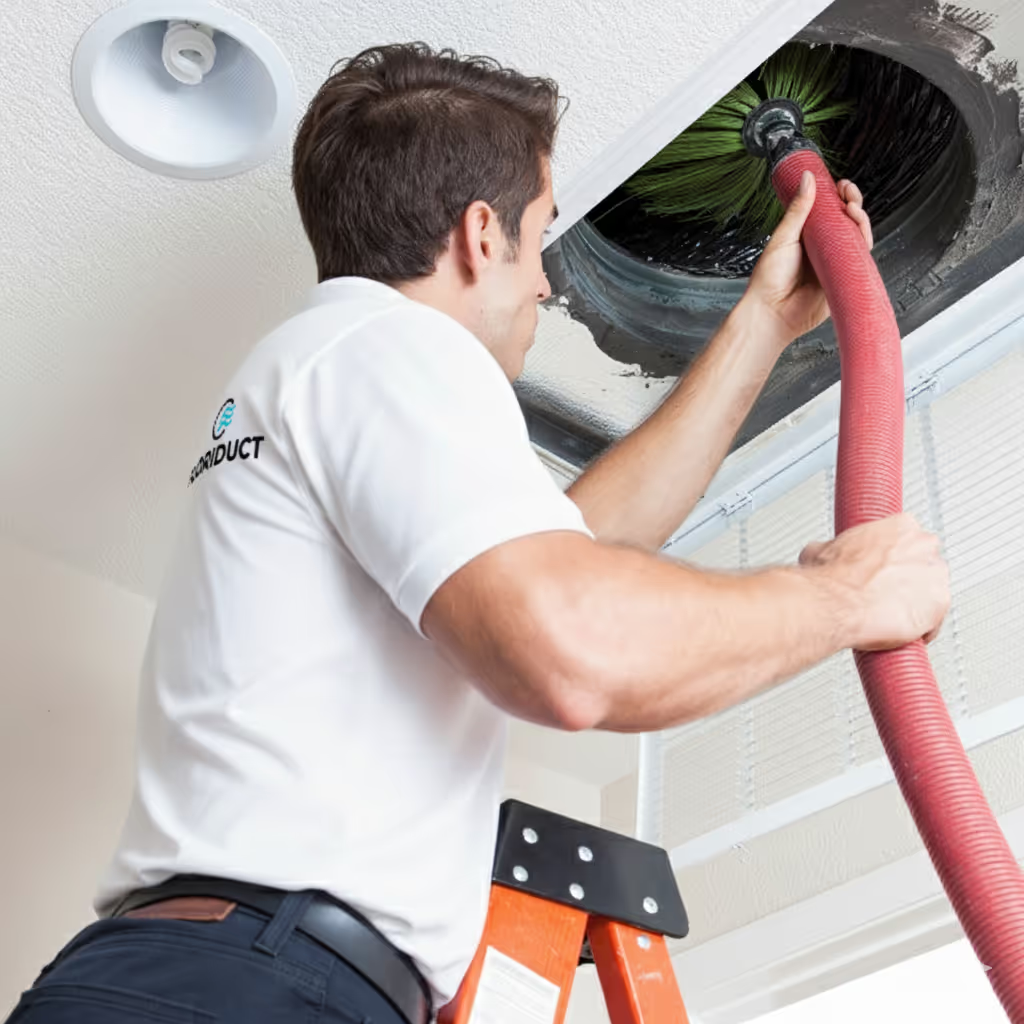
Every Supply and Return Line, Not Just the Vent Covers
Wiping a register cover makes the vent look better and changes nothing about the air coming through it. We clean the system behind it — every supply and return line, one at a time — with a high-powered negative-air vacuum that has HEPA filtration, so the dust and debris we dislodge get carried out of the house instead of scattered back into your rooms. Sanitization and vent-cover cleaning are there as add-ons, and we tell you what each one actually does before you decide.
How it works
Our 4-Step Air Duct Cleaning Process
Our results
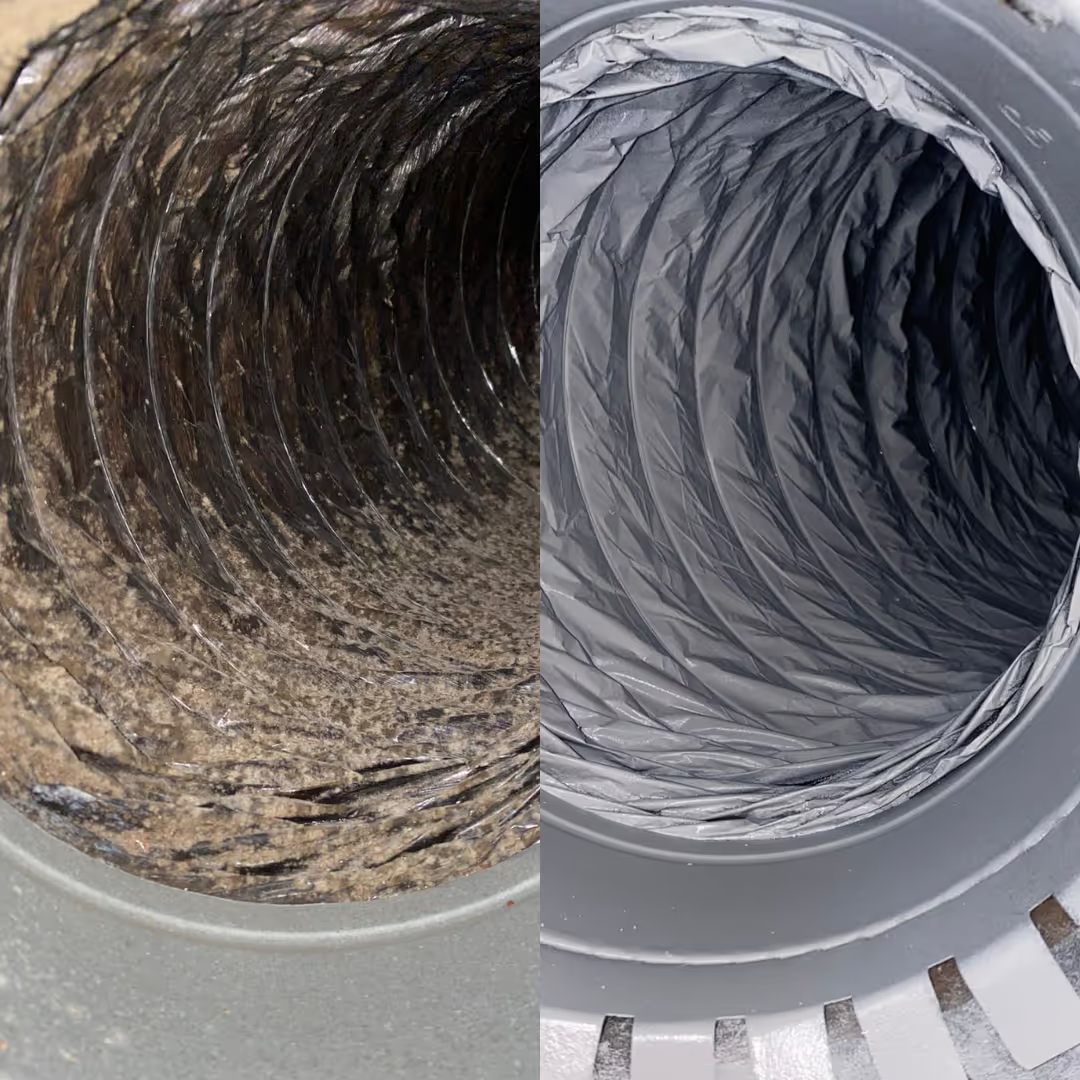
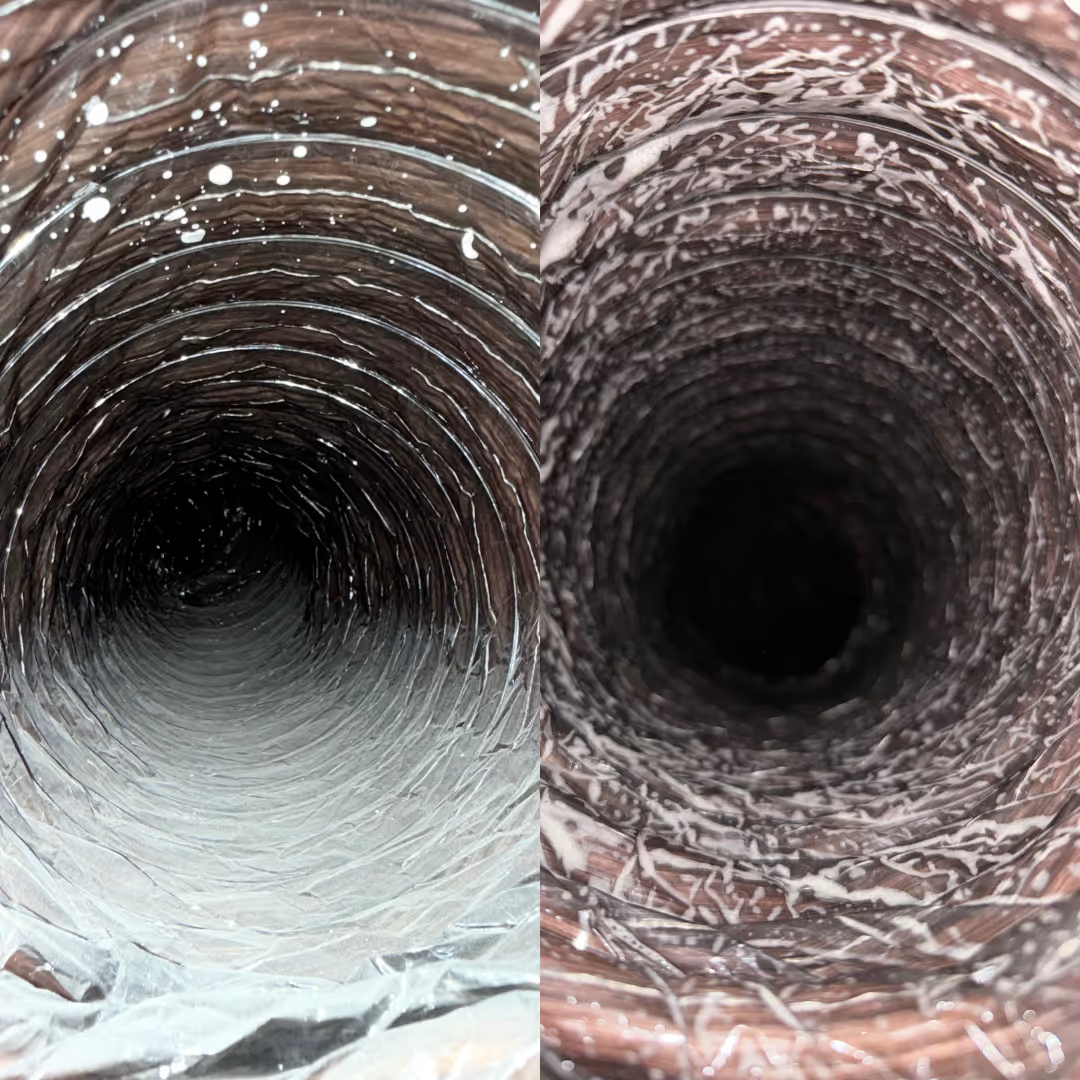
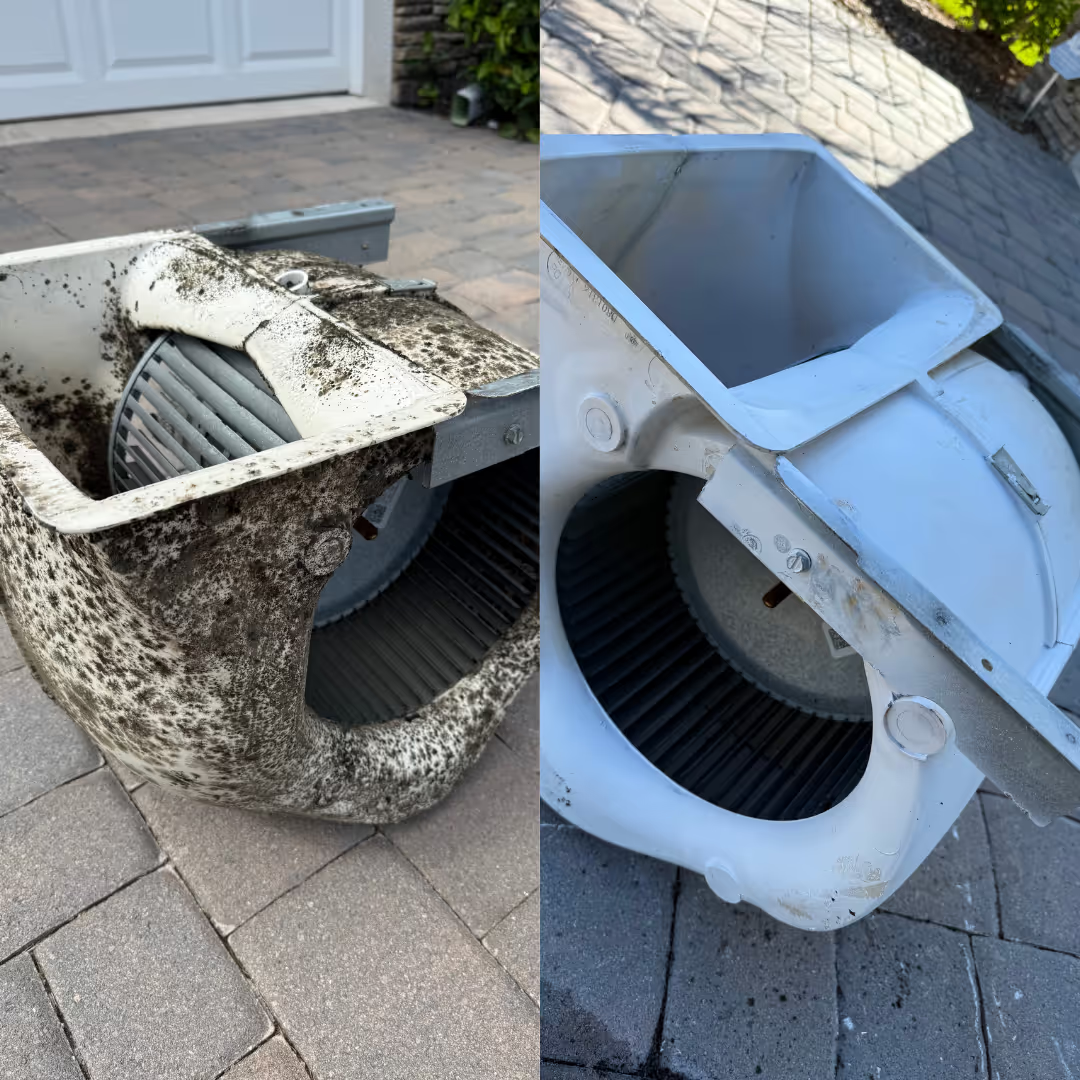
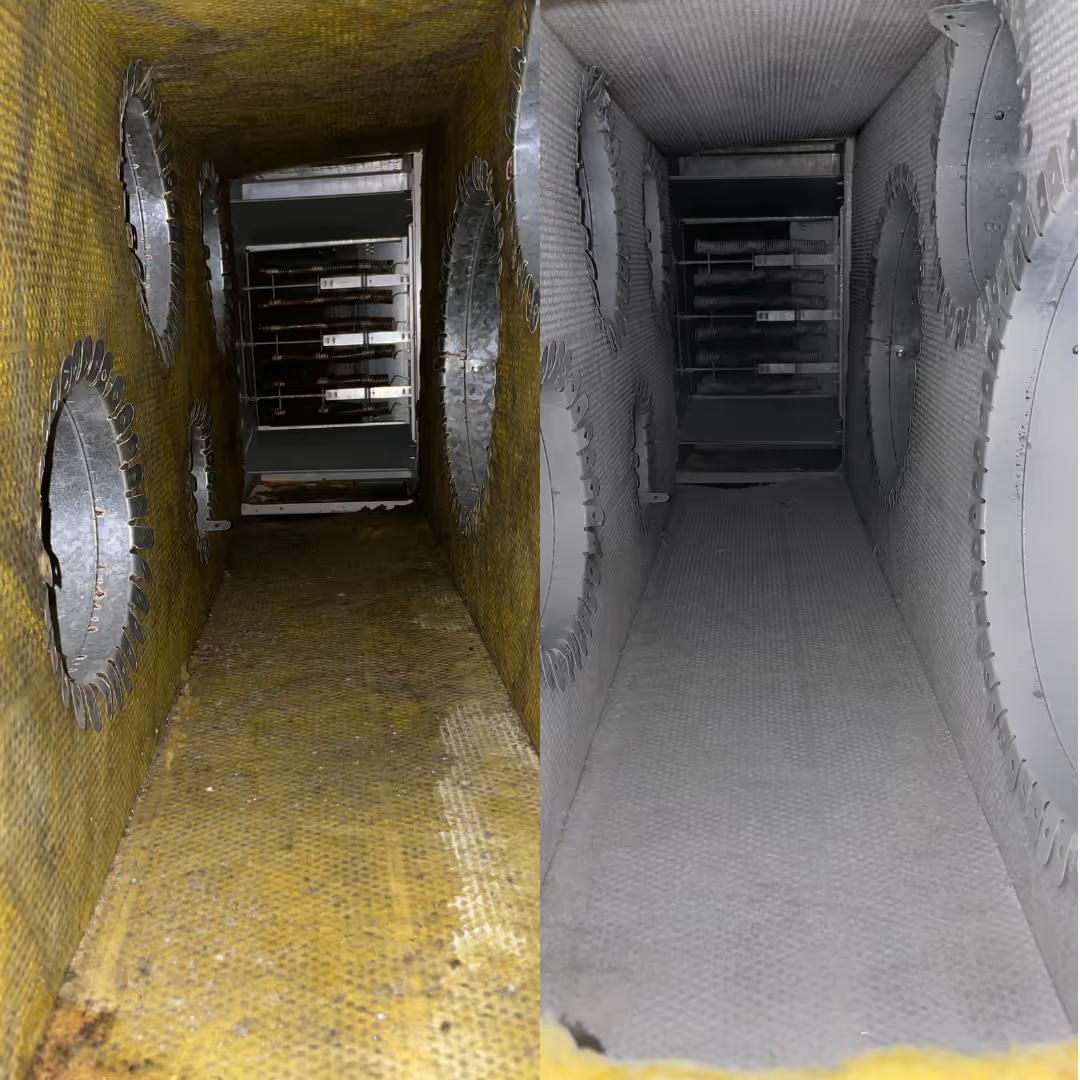
The Same System, Before and After
Air duct cleaning clears the supply lines, plenum, and registers of built-up dust and debris. These are real Floriduct jobs in South Florida homes — the same system, photographed before we started and after we finished.
Testimonials
What The People Think About Us



Also in this area
Dryer Vent Cleaning in Boca Raton
We handle dryer vent cleaning across Boca Raton too — a different job with its own local quirks.
Nearby
Air Duct Cleaning elsewhere in Palm Beach County
Related reading
Air Duct Cleaning questions, answered at length
The air duct cleaning questions we hear most across South Florida, Boca Raton included.
Air quality services
Ready to Solve Your Indoor Air Problems? Get Your Free Estimate Now
Restore your home's air quality with certified technicians, industry-leading equipment, and premium cleaning standards. We deliver top-tier airflow, healthier ventilation, and long-lasting results you can feel.