If your air conditioner smells like a damp basement or a wet towel left in a gym bag, the smell is telling you something specific: something inside the system is wet, and it has been wet long enough to grow. In South Florida that is a common story, and it is fixable — but only if you address where the moisture is sitting rather than masking the odor.
What actually causes the musty smell?
The smell comes from microbial growth on damp surfaces inside your HVAC system. Two spots account for most cases.
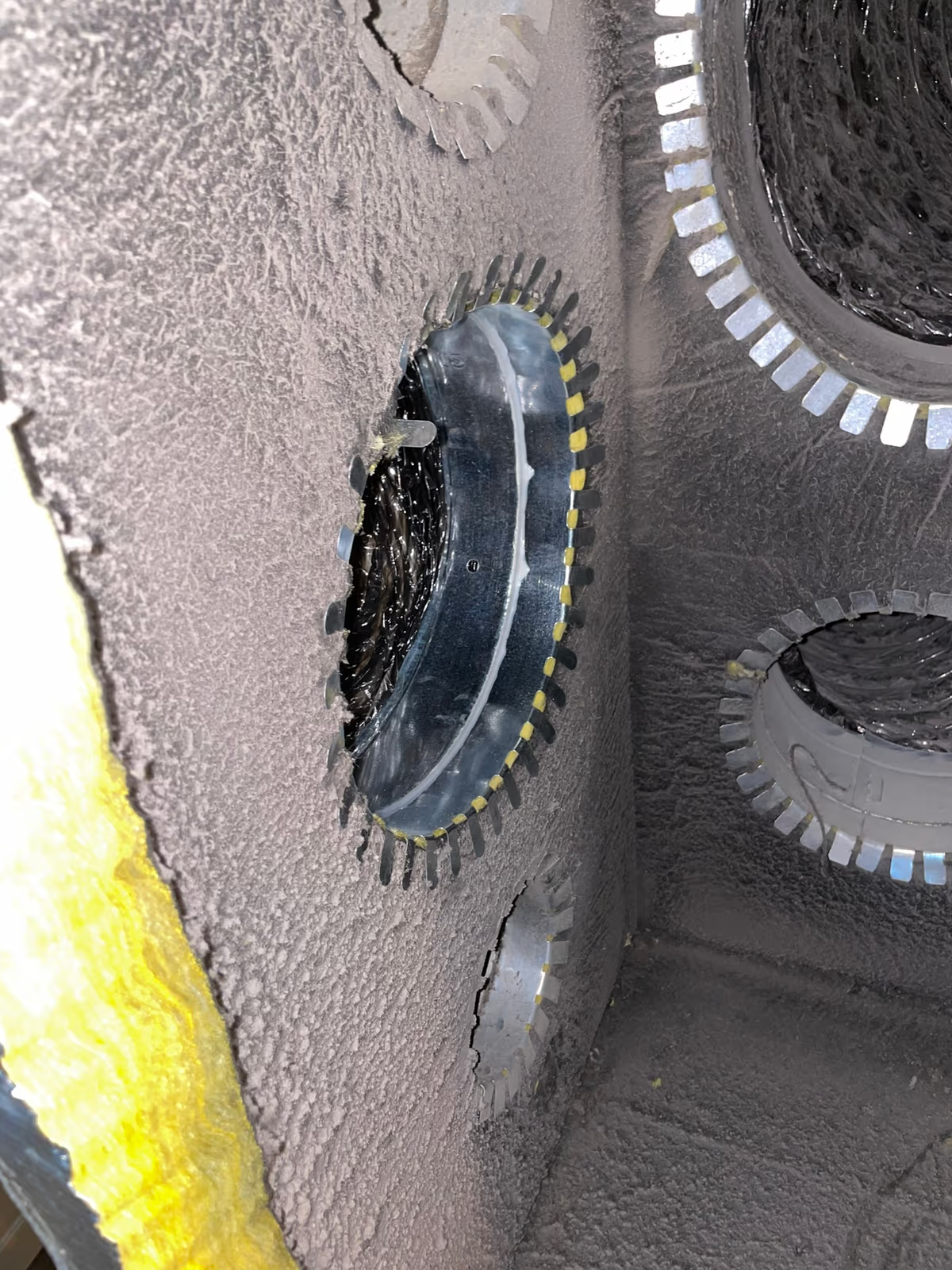
The first is the evaporator coil inside your air handler. The coil's whole job is to pull heat and moisture out of your indoor air, so it is wet by design — water condenses on it every minute the system runs and drips into a pan below. Dust that slips past the filter lands on that wet surface and stays there. Damp organic dust is exactly what mold and mildew need.
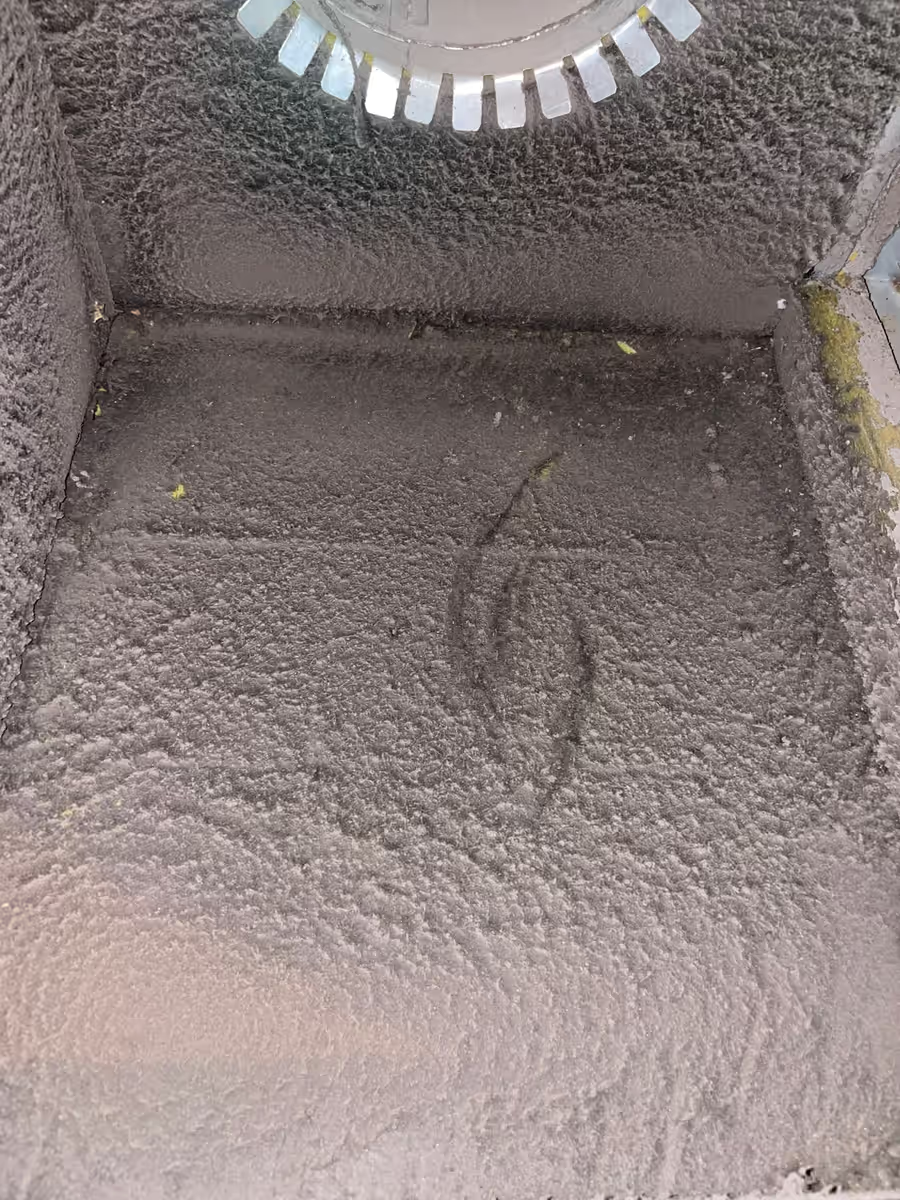
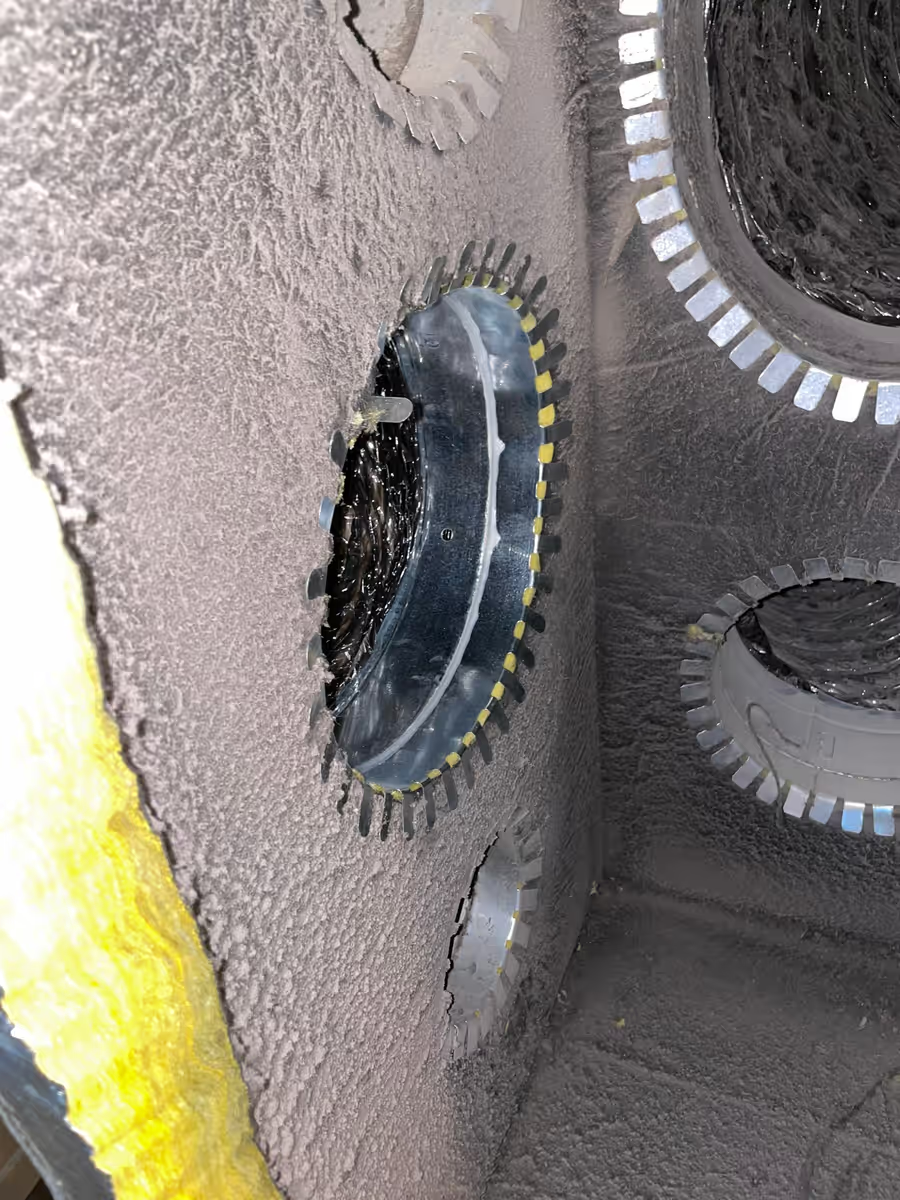
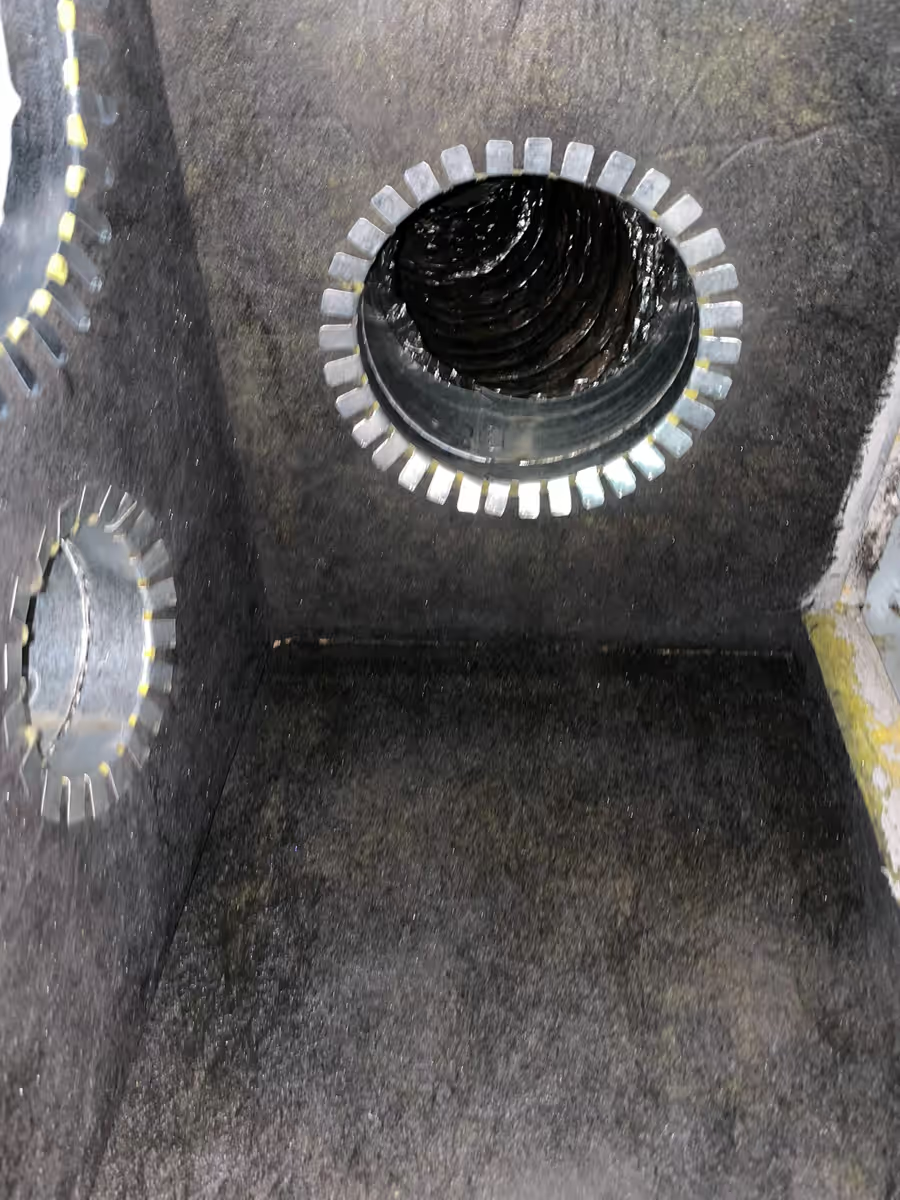
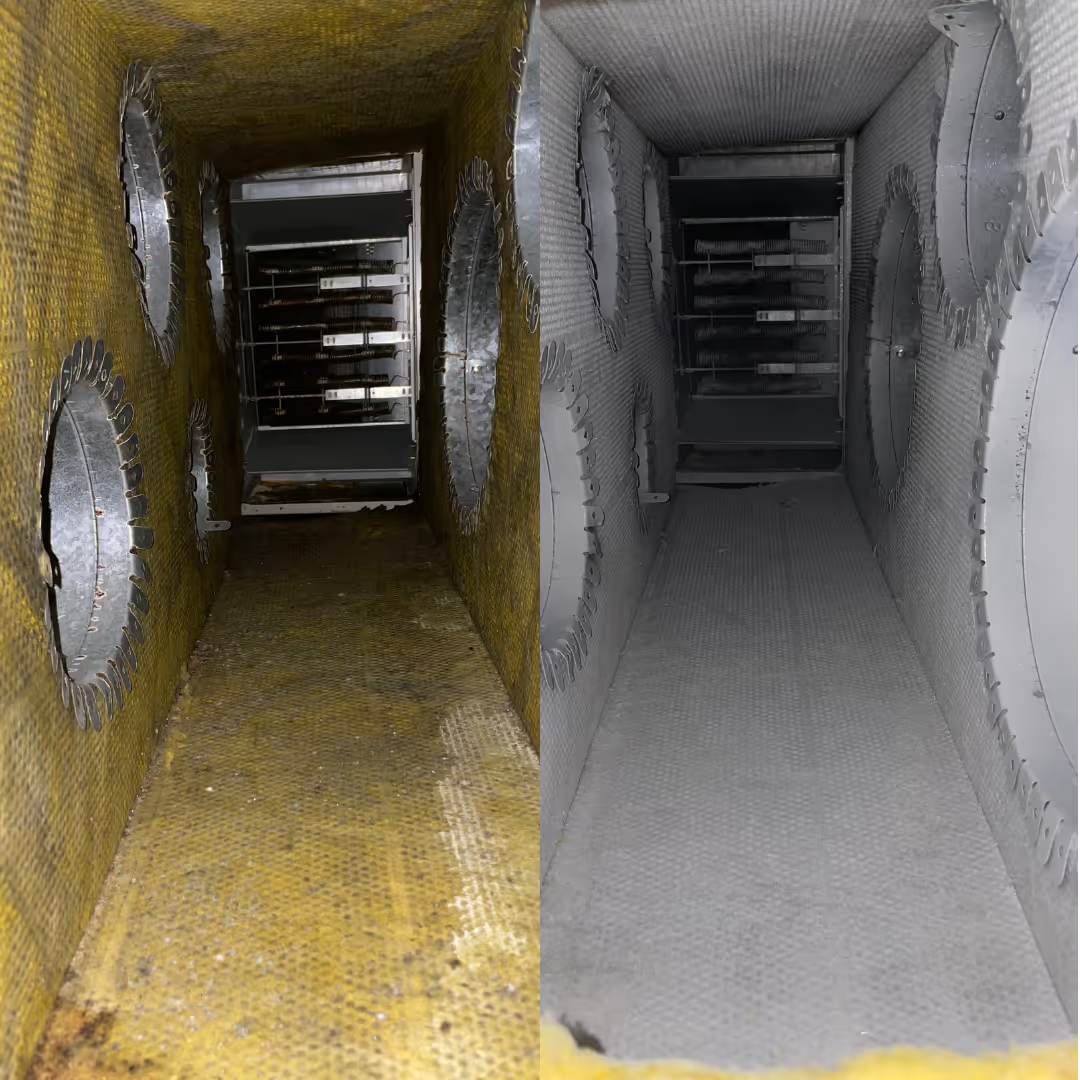
The second is the duct runs themselves. Ducts carry humid air, and the ones running through a hot attic or an unconditioned chase sweat when cool air passes through them. Add years of settled dust and the interior surfaces become another place for growth to take hold.
There is also a simpler cause worth ruling out first: a clogged condensate drain line. When the line backs up, water sits in the drain pan instead of leaving the house. Stagnant water smells, and the blower will happily distribute that smell for you.
Why is a musty AC smell worse in South Florida?
Because our systems never get a break, and our air never dries out.
In most of the country, an AC runs hard for three or four months and then sits idle through a cold, dry winter. That downtime dries out the coil and the ducts. Here in Miami-Dade, Broward, and Palm Beach, the system runs nearly year-round, so the coil stays wet nearly year-round. There is no dry season to reset it.
Our outdoor humidity compounds it. Warm, moisture-heavy air means the coil is pulling water out of the air constantly, and any duct leak or poorly sealed return pulls humid air straight into the system. Homes near the coast deal with salt in the air on top of that, which is hard on coil surfaces over time.
The result is that a South Florida system develops odor problems years faster than the same equipment in a dry climate. It is not a sign you did something wrong — it is the climate doing what it does.
Is a musty AC smell a health concern?
Take it seriously without panicking about it. A musty odor means mold or mildew is growing somewhere in the airstream, and the blower is circulating whatever is on those surfaces through every room. For most people that means stuffiness, irritated sinuses, or a stale feeling that never quite lifts. If someone in the house has asthma or allergies, they will usually notice it first and feel it most.
What we can tell you honestly: the smell is a signal that the system needs attention, and the fix is straightforward. Anyone who tells you they can quantify your health risk from an odor is guessing.
How do you get rid of the musty smell for good?
Deodorizers, vent sprays, and scented filters cover the smell for a few days. The odor comes back because the source is still there. Clearing it means removing the buildup and fixing the moisture:
- Change the filter and confirm it is the right size and seated properly. A gap around a loose filter lets dust bypass it straight onto the coil.
- Check the condensate drain line. If the pan holds water, the line needs clearing.
- Clean the coil. Buildup on the coil face is both an odor source and an efficiency problem — a dirty coil makes the system work harder to move less air. That is AC coil cleaning.
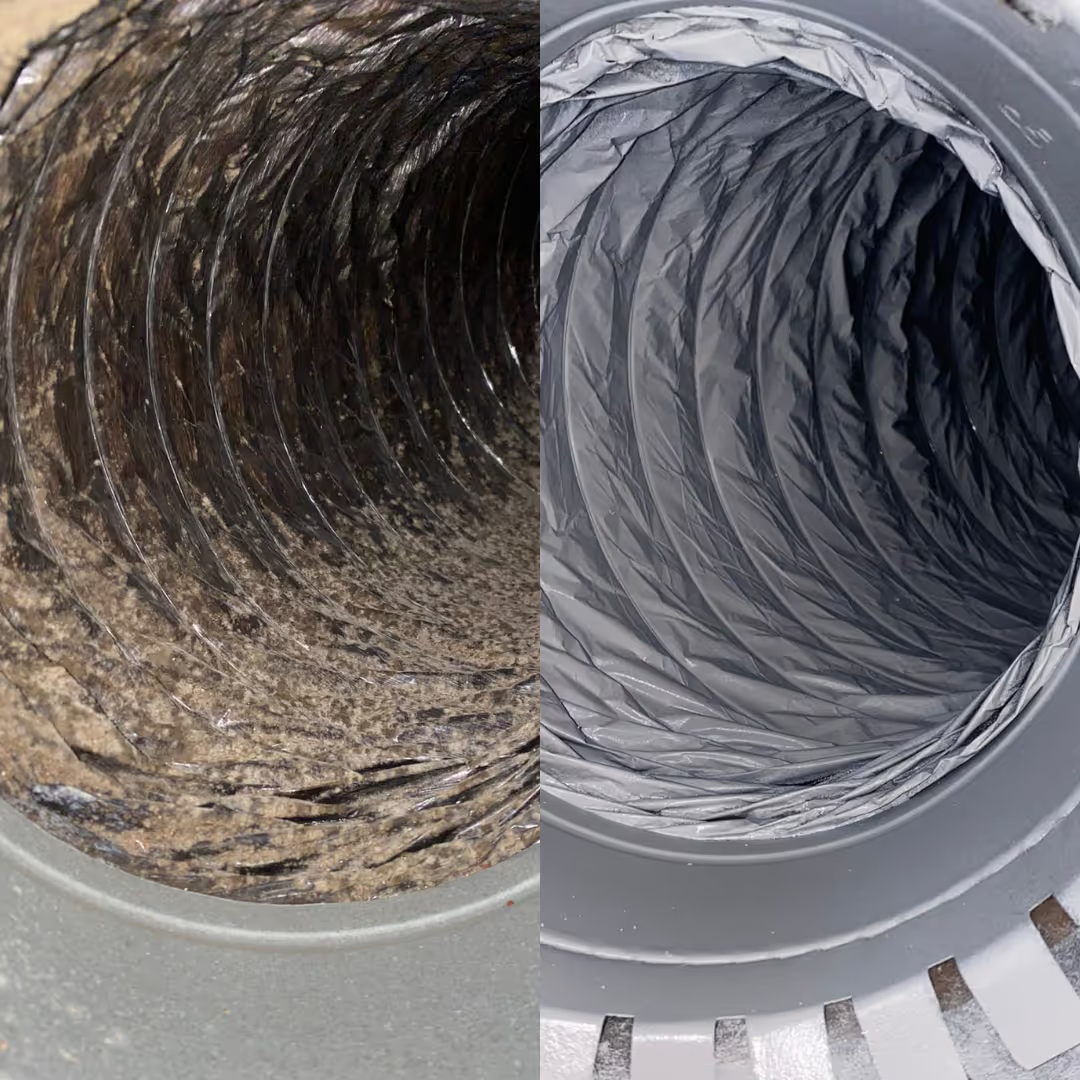
- Clean the ducts. If growth has spread into the duct runs and plenum, cleaning the coil alone leaves the rest of the odor in place. Air duct cleaning removes the settled debris that damp air turns into a smell.
- Consider prevention at the coil. A UV light in the air handler targets the wet coil surface specifically, which is the spot most likely to regrow in our humidity.
When should you call someone?
Call if the smell has lasted more than a week after a filter change, if it gets worse when the system runs longer, if you can see water around the air handler, or if anyone in the house has started reacting to the air. Those are the cases where something physical needs to be removed, and no amount of waiting improves them.
A technician should open the air handler and show you the coil and the drain pan before recommending anything. If you are in Miami-Dade, Broward, or Palm Beach, we will do exactly that during a free on-site inspection — you see what we see, and you decide from there.