






The residential code a Florida house goes up under today allows thirty-five feet of dryer exhaust, measured from where the transition connects to the outlet at the far end, and turns count against that allowance. Older houses went up under earlier editions, but the arithmetic is the right yardstick for any of them. A tight ninety-degree elbow of the sort used inside a wall cavity costs about five feet of it. A forty-five costs around half that. A wide, smooth sweeping bend costs far less than either, which is the single most useful thing to know about a route that is close to the line. Add it up and two identical machines in two identical houses stop being comparable: one laundry sits against an exterior wall and is out in six feet, and the other sits in the middle of the plan with four turns and a crossing to make. Where the total goes past thirty-five feet there is supposed to be a label near the connection saying so.
When a route is over its allowance, the honest answers are a shorter path or better fittings, and both are real work. What often gets fitted instead is a fan in the line, and the distinction there needs to be straight. A general-purpose in-line duct booster is not permitted in a dryer exhaust, though that rule arrived in Florida only with the current edition of the residential code, so one installed some years back was compliant when it went in and is a thing to plan around, not a thing to panic about. What is properly listed for the work is a dryer exhaust duct power ventilator, which is another thing entirely: it energizes on its own when the dryer runs, it indicates whether the fan is actually working and tells you when it is not, and it shuts down in a dryer fire. On most of them a lint trap is a separate accessory, not part of the box. If there is a fan above your ceiling, which of the two it is matters. So does whether anyone has ever opened it, because lint settles on the impeller, and that impeller is the only moving part in your entire vent system.
Your questions answered
Dryer Vent Cleaning in Boca Raton — FAQs
What Boca Raton homeowners ask us about dryer vent cleaning.
What sets us apart
The Whole Line, From the Dryer to the Outside Wall
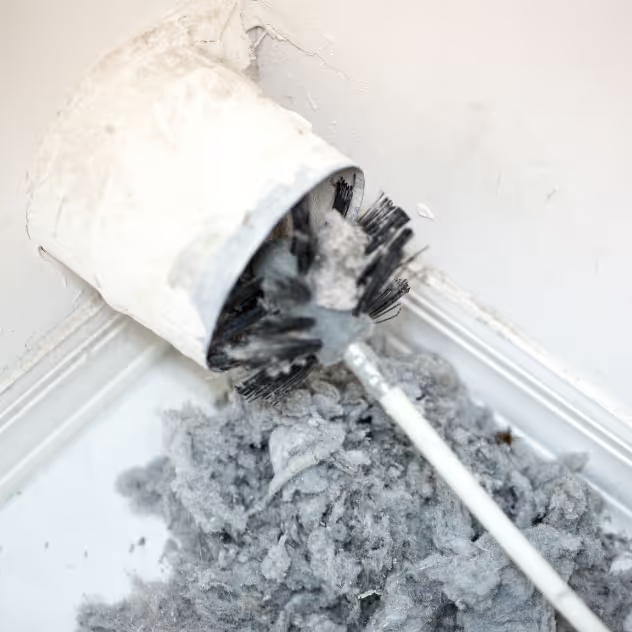
Most of the lint that causes trouble is nowhere near the back of the dryer. We clean the complete vent path — from the dryer connection out to the exterior termination, not just the accessible first few feet — then confirm airflow at the outside vent and check that the flap opens the way it should. If the line turns out to be damaged rather than dirty, we show you: a crushed duct or a hood that no longer closes is a repair, and no amount of cleaning fixes it.
How it works
Our 4-Step Dryer Vent Cleaning Process
Our results
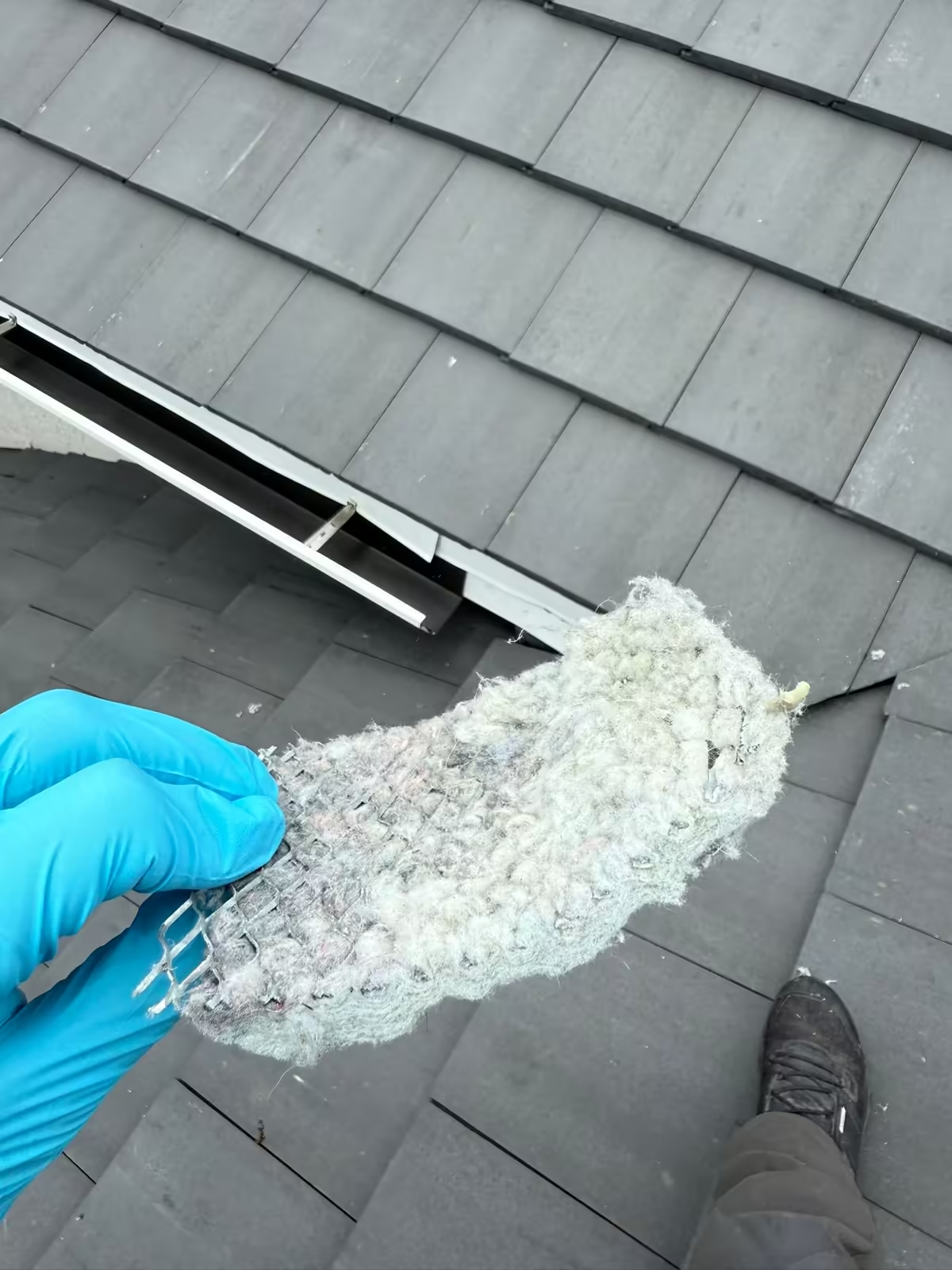
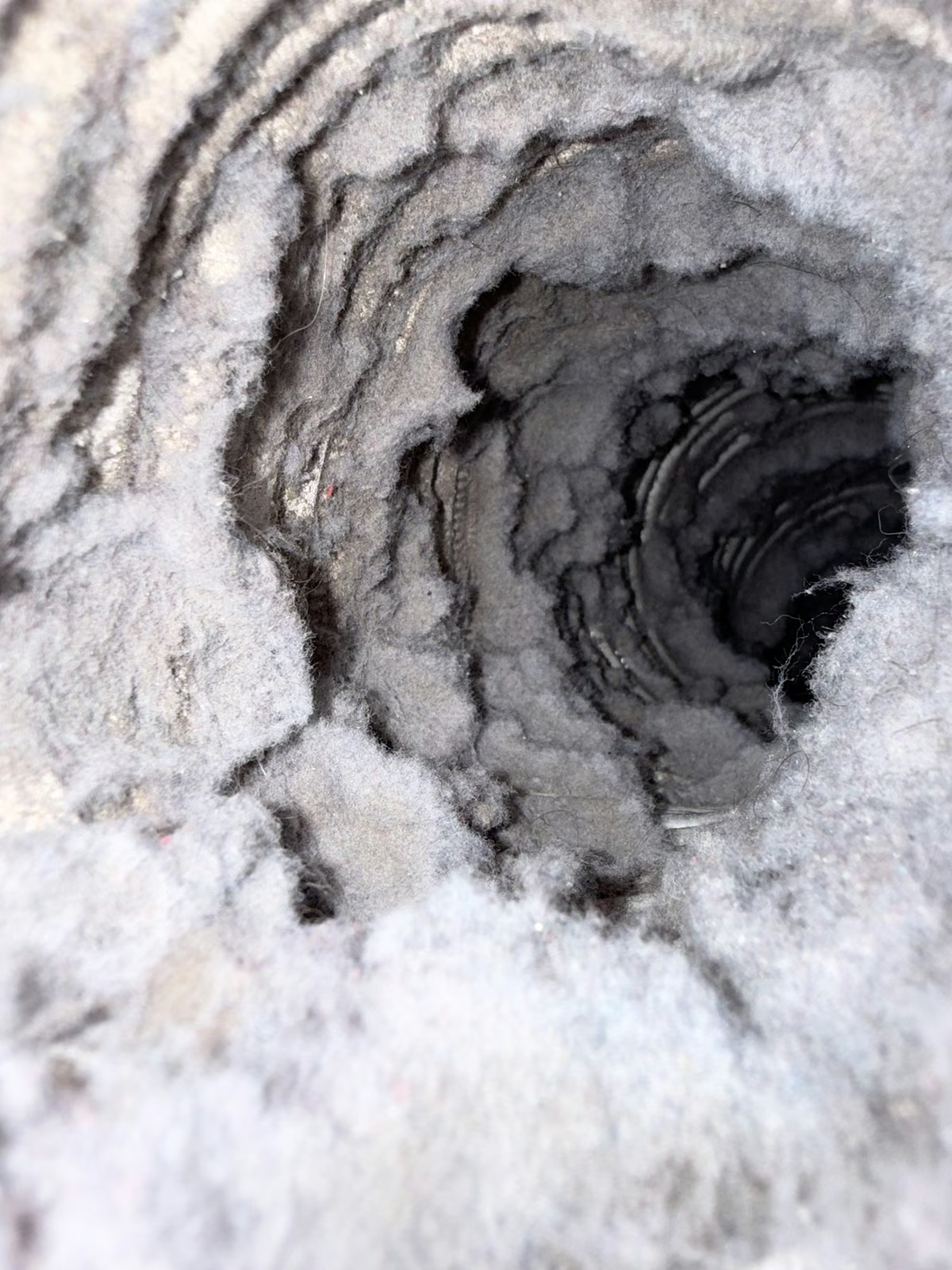
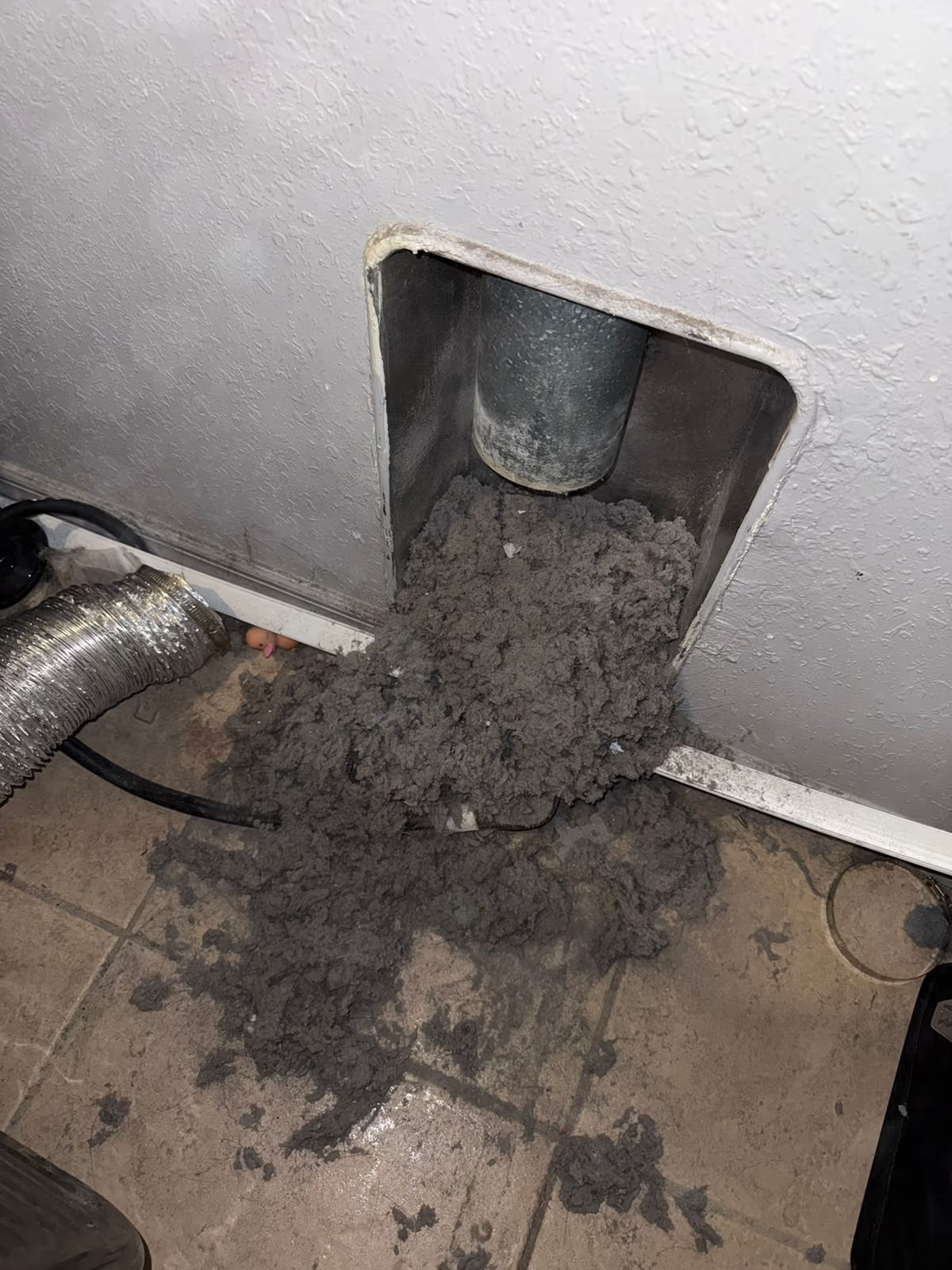
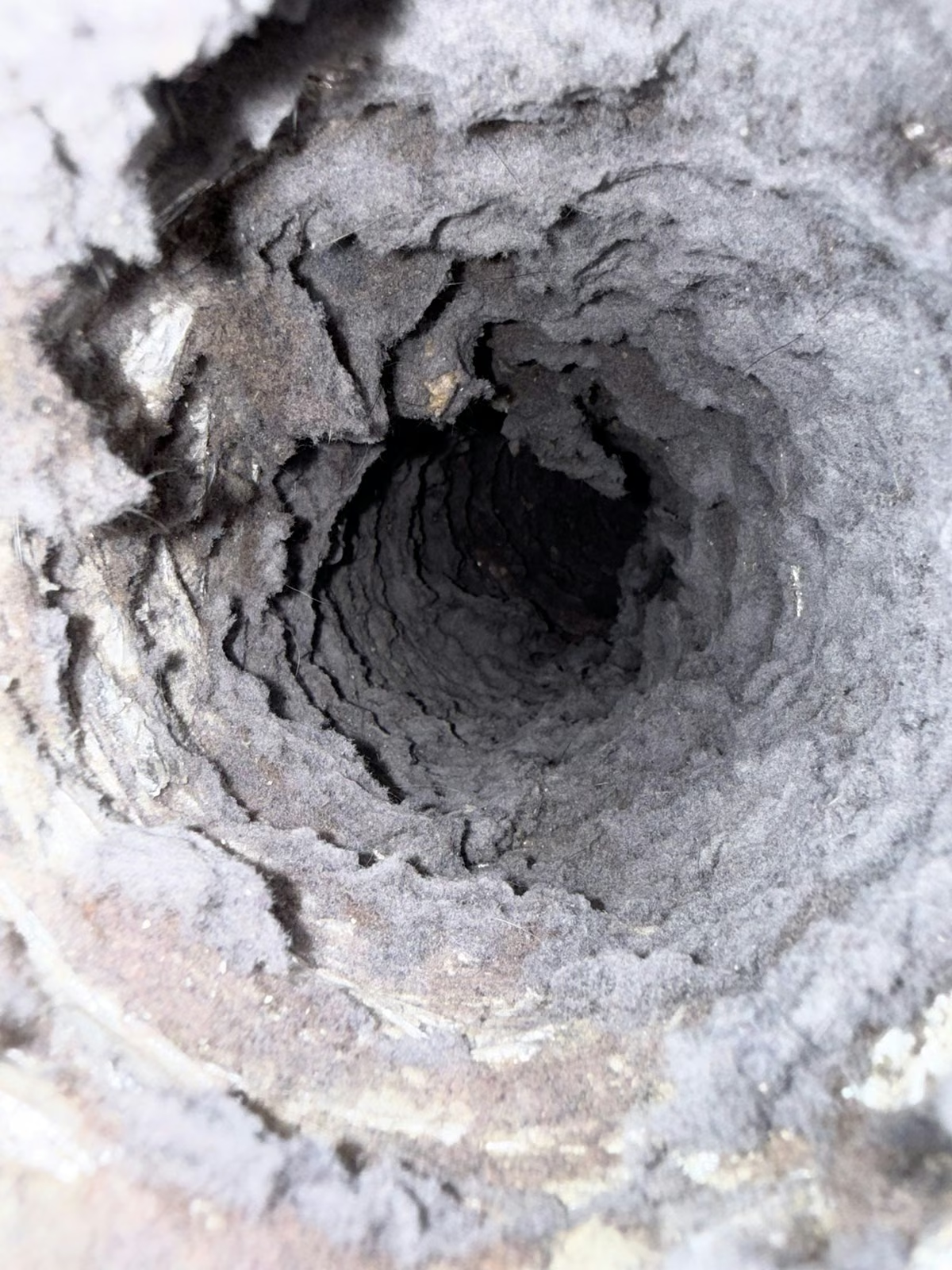
The Lint That Was in the Line
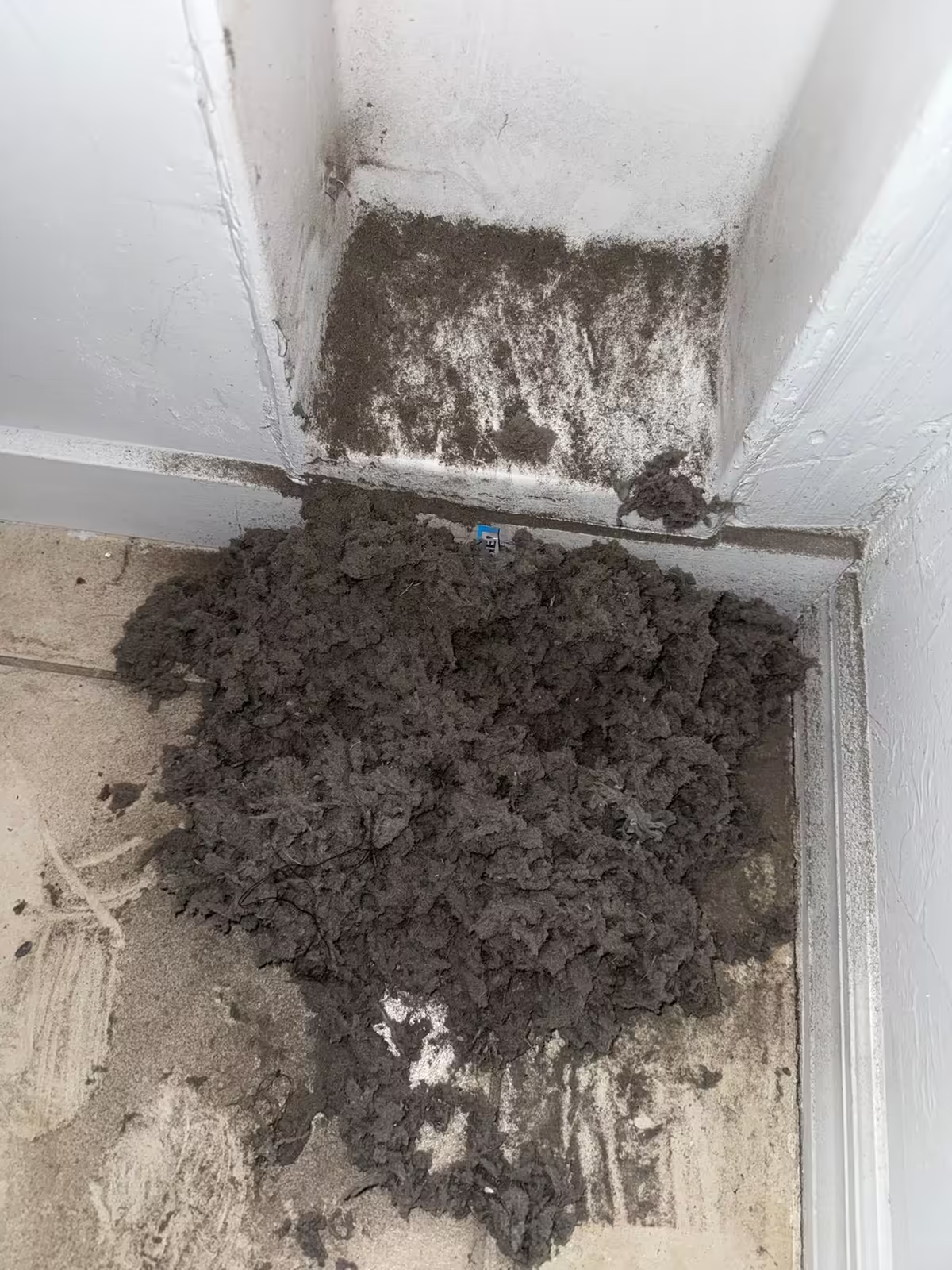
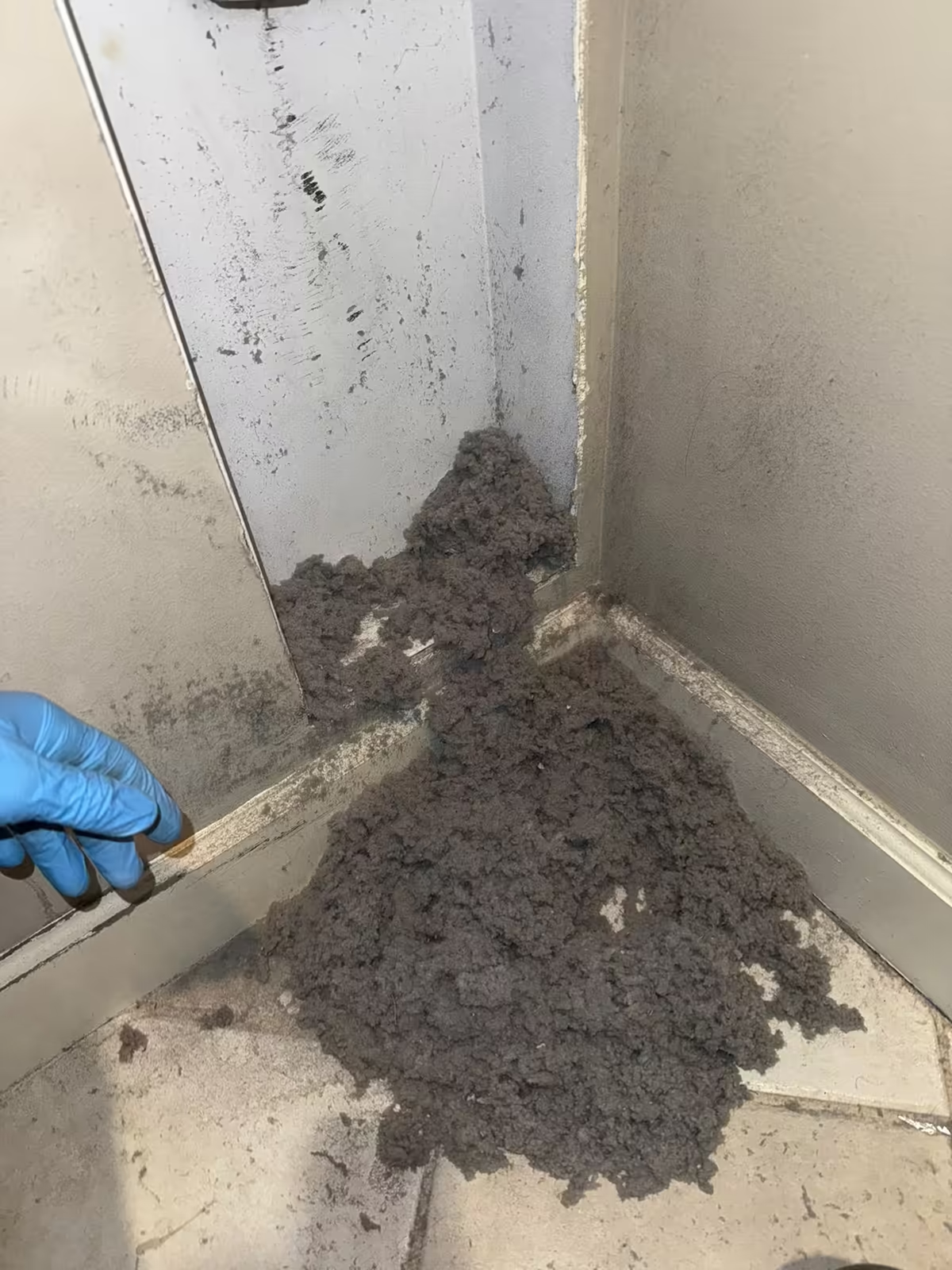
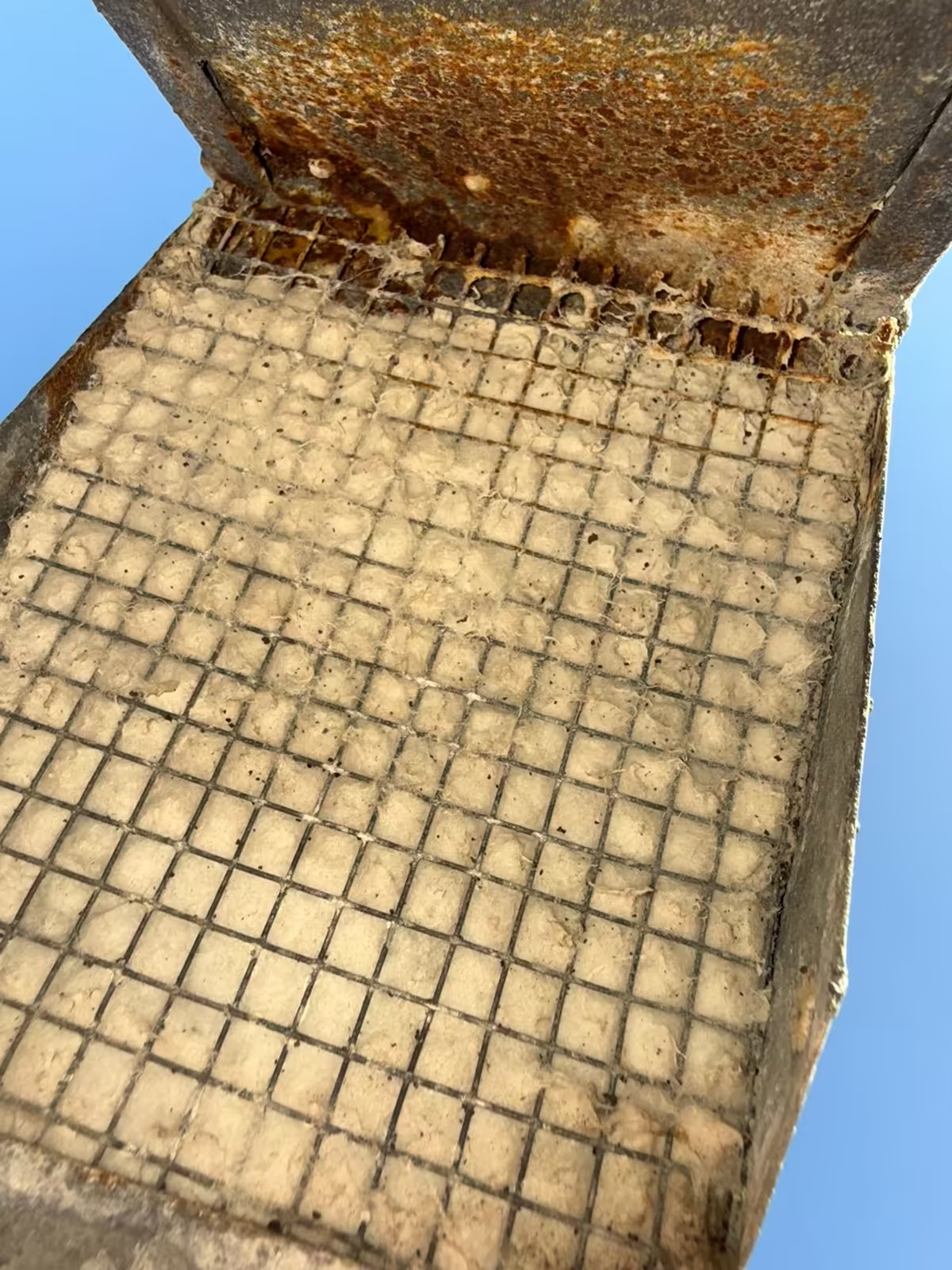
Dryer vent cleaning pulls the packed lint out of the vent line behind your dryer. That lint is what makes a dryer run hot and take two cycles to dry a load — and it is the reason a clogged vent is a fire risk. Every one of these came out of a South Florida home.
Testimonials
What The People Think About Us



Also in this area
Air Duct Cleaning in Boca Raton
We handle air duct cleaning across Boca Raton too — a different job with its own local quirks.
Nearby
Dryer Vent Cleaning elsewhere in Palm Beach County
Related reading
Dryer Vent Cleaning questions, answered at length
The dryer vent cleaning questions we hear most across South Florida, Boca Raton included.
Air quality services
Ready to Solve Your Indoor Air Problems? Get Your Free Estimate Now
Restore your home's air quality with certified technicians, industry-leading equipment, and premium cleaning standards. We deliver top-tier airflow, healthier ventilation, and long-lasting results you can feel.