






A duct up there is carrying air in the fifties through air that is hot and close to saturated, and the only thing between the two is the insulation wrapped around the duct and the thin outer jacket holding it on. That jacket is a vapor barrier, and it is doing real work. Where it has been torn, cut and taped back, or left unsealed at the point a flexible run is banded onto a metal fitting, humid attic air reaches the cold surface underneath and condenses on it. The water soaks into the insulation, gathers wherever the duct dips lowest, and shows up inside the house as a brown ring around a ceiling register or a damp patch that everybody blames on the roof.
None of that is a cleaning problem, which is the first useful thing to say about it. Everything happening here is on the outside of the duct, and the inside can be spotless throughout. The places to look are wherever the jacket is interrupted: the bands where flexible duct meets a metal boot or plenum fitting, since the liner, the insulation and the jacket each have to be fastened and sealed separately up there; anywhere somebody has been working overhead; and any stretch where the wrap has been squashed against a truss and stopped being insulation. There is a code rule aimed squarely at this, though not the insulation value people usually quote. The vapor retarder over duct insulation has to hold moisture out to a specified tightness, which tells you the trade has understood this failure for a long time. A run that has lost its wrap will not be talked back into working by having its inside brushed. How much of this is yours to worry about depends on where the duct actually runs: where an apartment's air handler sits in a closet and its runs stay inside conditioned space, there is no hot wet air on the other side of the jacket and nothing for it to condense out of, while duct that crosses an unconditioned chase or a demised attic is in the same position as a house's.
Your questions answered
Air Duct Cleaning in West Palm Beach — FAQs
What West Palm Beach homeowners ask us about air duct cleaning.
What sets us apart
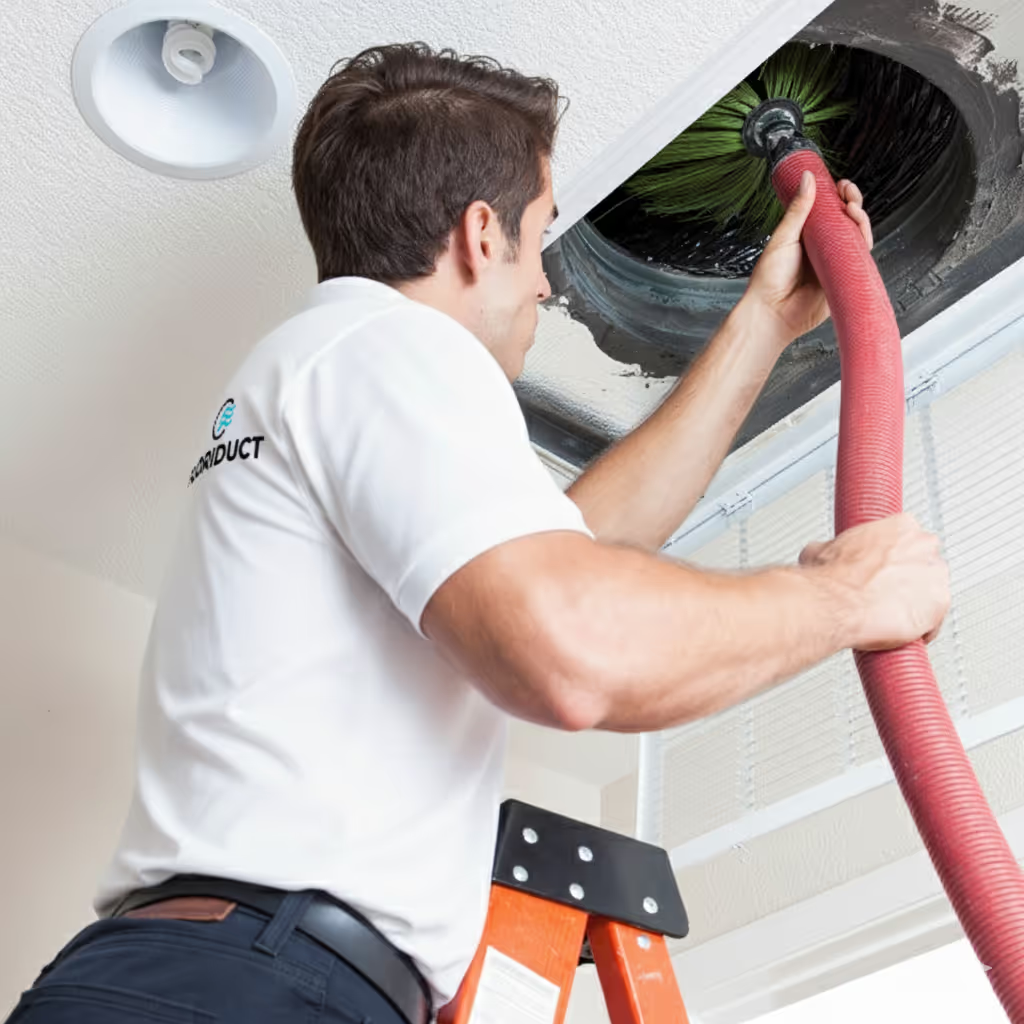
Every Supply and Return Line, Not Just the Vent Covers
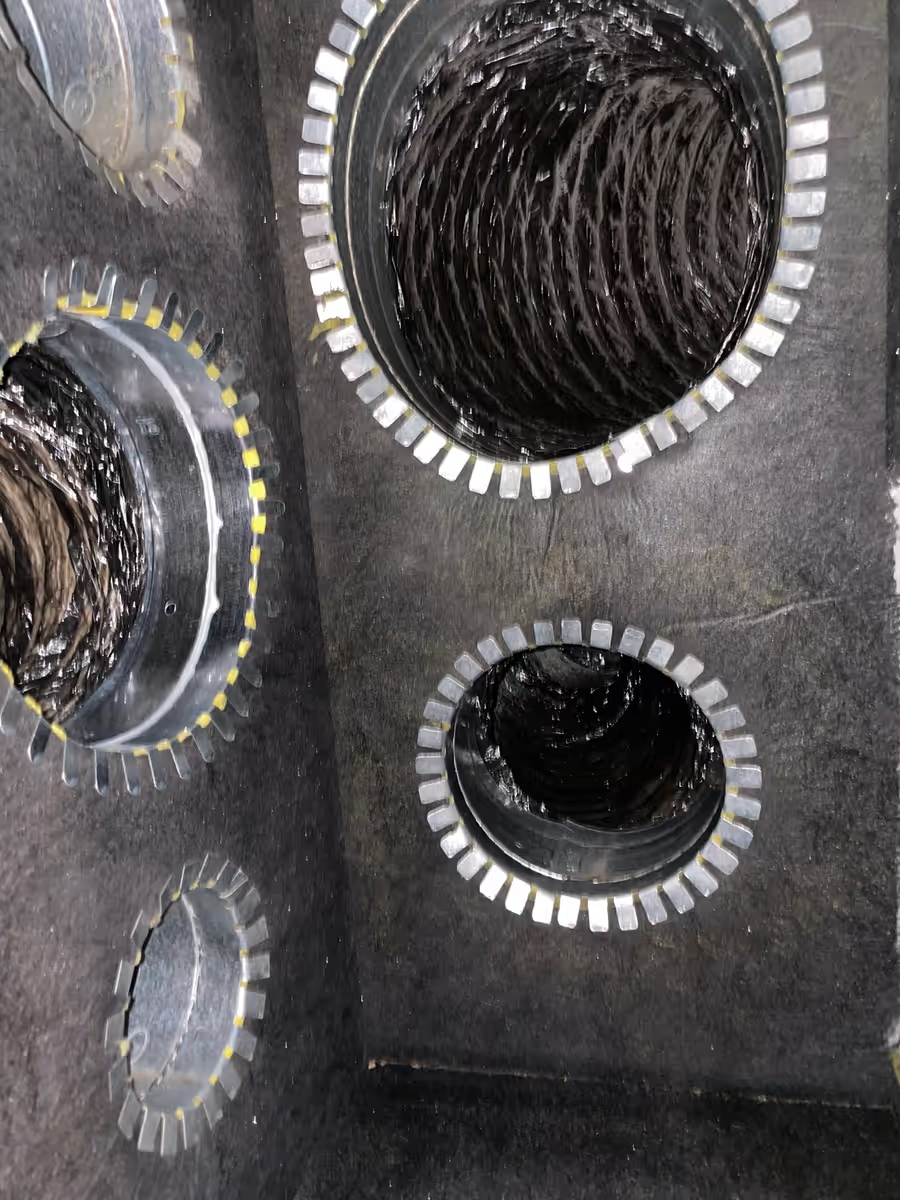
Wiping a register cover makes the vent look better and changes nothing about the air coming through it. We clean the system behind it — every supply and return line, one at a time — with a high-powered negative-air vacuum that has HEPA filtration, so the dust and debris we dislodge get carried out of the house instead of scattered back into your rooms. Sanitization and vent-cover cleaning are there as add-ons, and we tell you what each one actually does before you decide.
How it works
Our 4-Step Air Duct Cleaning Process
Our results
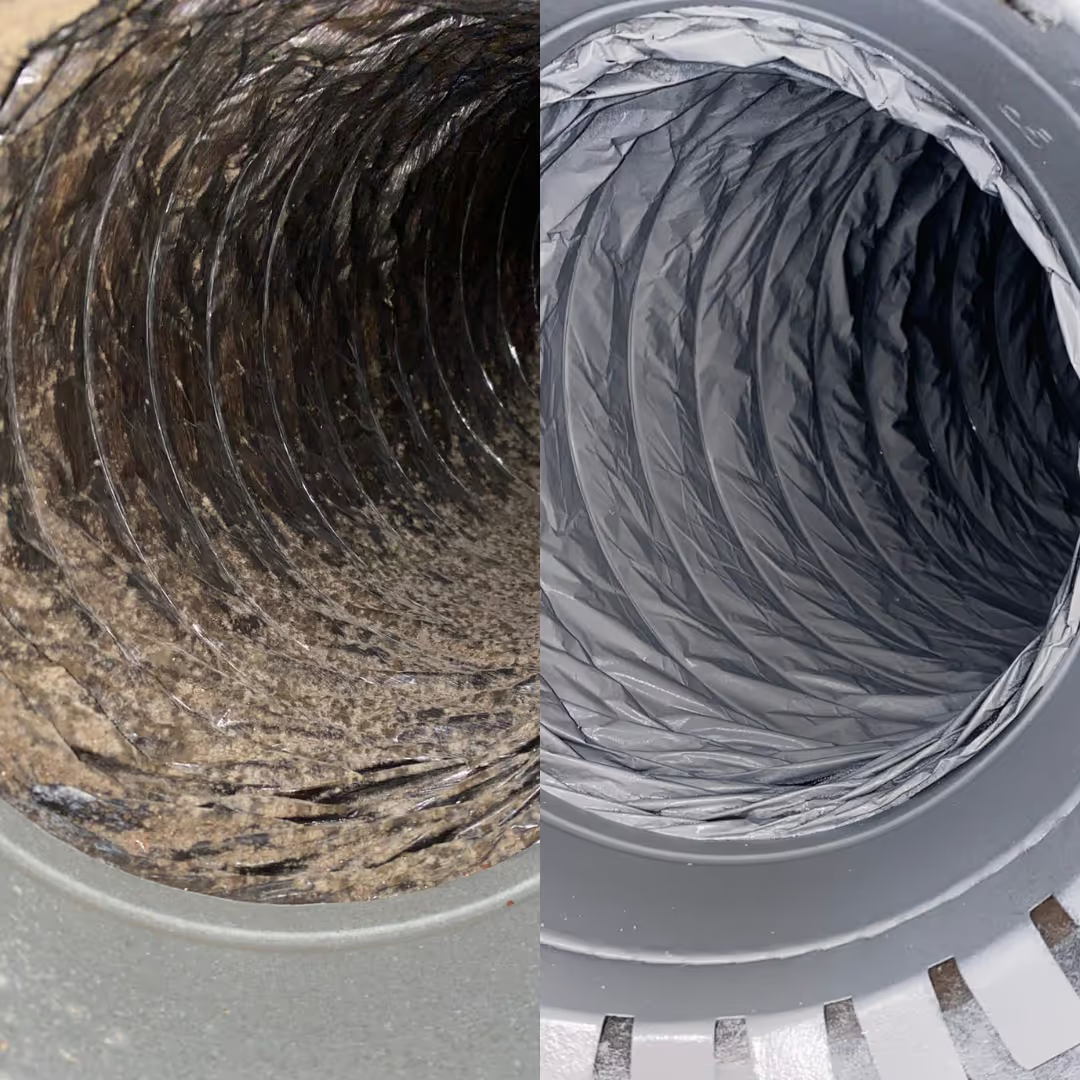
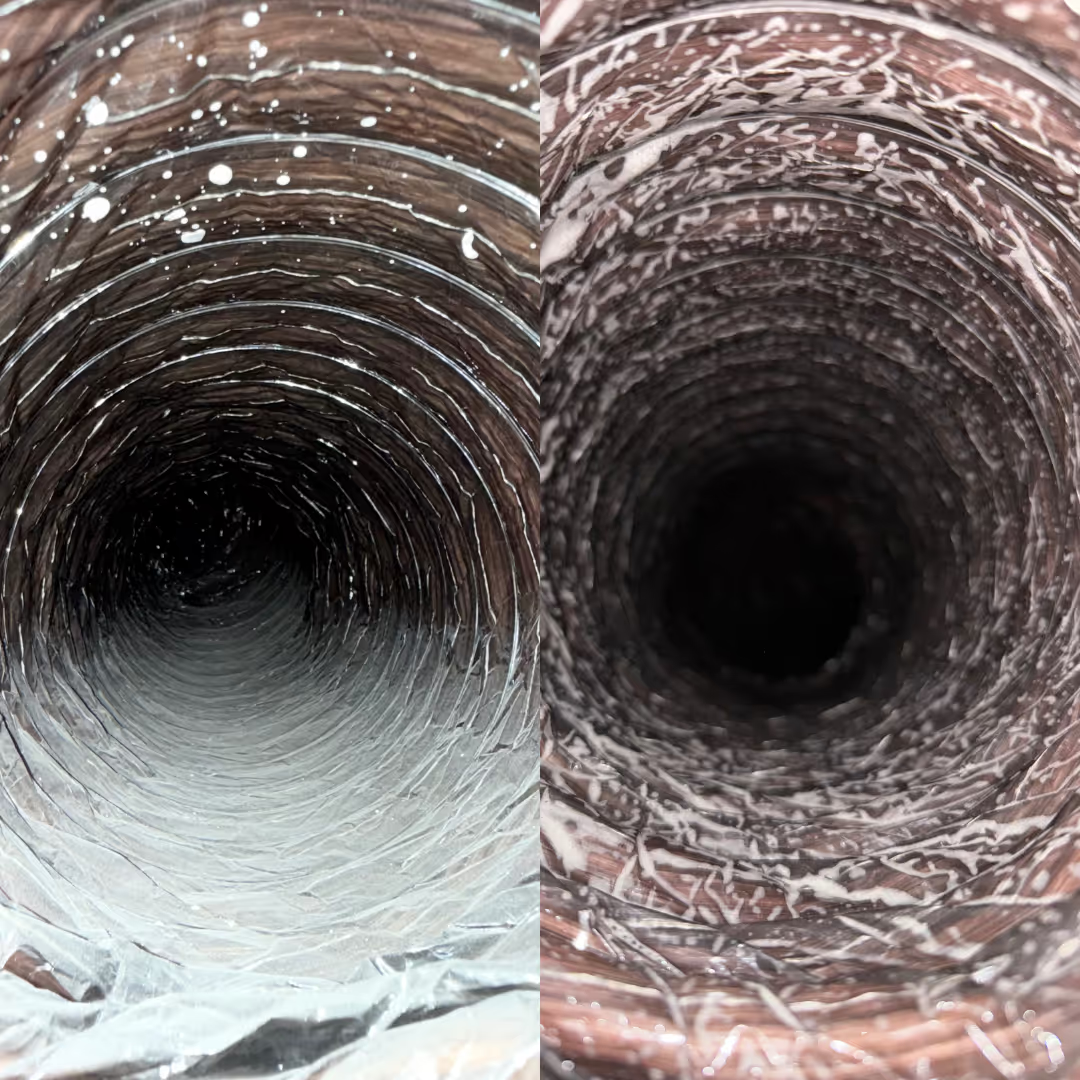
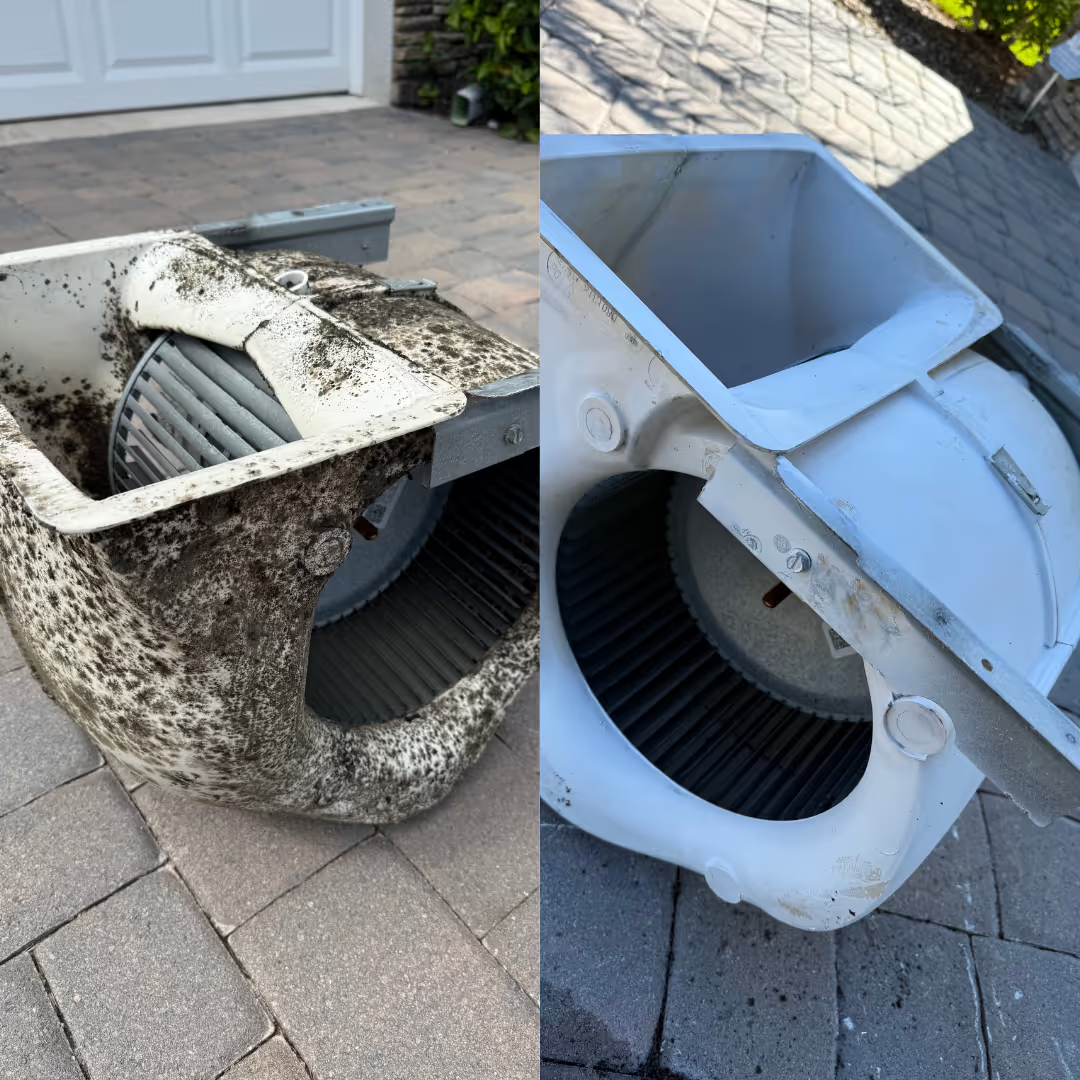
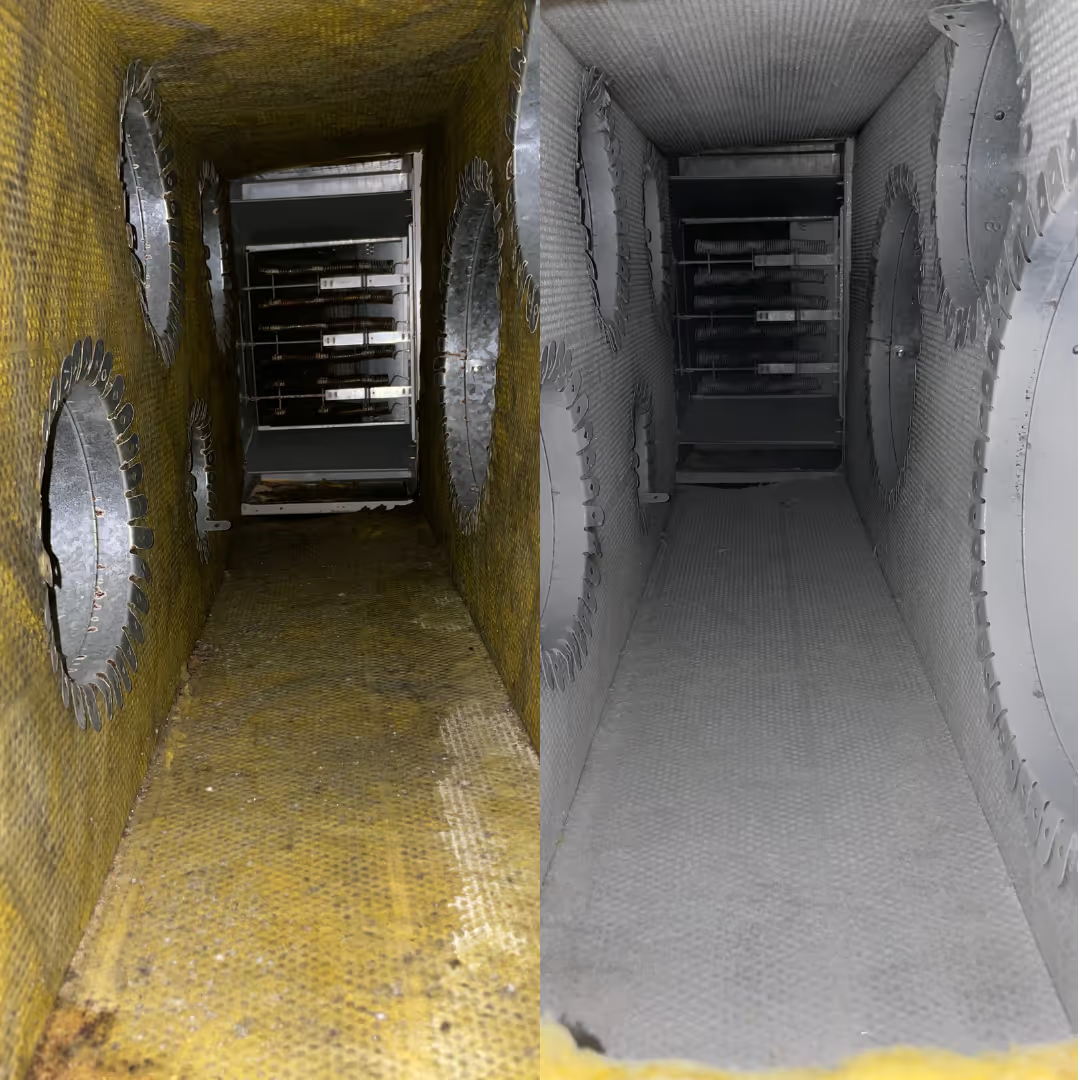
The Same System, Before and After
Air duct cleaning clears the supply lines, plenum, and registers of built-up dust and debris. These are real Floriduct jobs in South Florida homes — the same system, photographed before we started and after we finished.
Testimonials
What The People Think About Us



Also in this area
Dryer Vent Cleaning in West Palm Beach
We handle dryer vent cleaning across West Palm Beach too — a different job with its own local quirks.
Nearby
Air Duct Cleaning elsewhere in Palm Beach County
Related reading
Air Duct Cleaning questions, answered at length
The air duct cleaning questions we hear most across South Florida, West Palm Beach included.
Air quality services
Ready to Solve Your Indoor Air Problems? Get Your Free Estimate Now
Restore your home's air quality with certified technicians, industry-leading equipment, and premium cleaning standards. We deliver top-tier airflow, healthier ventilation, and long-lasting results you can feel.