






Pull a dryer forward and look at what connects it to the wall. Rigid metal pipe is right. A listed flexible transition can be right too, but not automatically: some manufacturers permit a foil-laminate one and others prohibit foil by name in their own instructions, and Florida's residential code defers to whatever those instructions say, so the answer depends on the machine you own. Thin corrugated aluminum is the safer choice where something flexible is needed. Either way it has to be one unbroken length no more than eight feet, with none of it buried in the wall or the floor. What is not right, and turns up in kitchens, closets and back rooms, is white or clear plastic hose. It is combustible, it softens at the temperature exhaust leaves a dryer at, every fold in it holds lint, and it goes flat when the machine is pushed back and stays flat. It occupies the hottest position in the entire run. No amount of clearing makes that section acceptable, and swapping it out belongs to dryer vent repair, which is how it should be named to you instead of being folded into a cleaning.
Understanding the machine's immediate surroundings means one more thing: a dryer has to pull in as much air as it pushes out. Every cubic foot leaving through the vent is replaced from the room the appliance stands in, and if that room is a closet with a solid door pulled shut, the replacement has to squeeze through the gaps around the frame. The machine then spends the cycle working against itself. The closet gets hot, exhaust temperature climbs, and a load takes longer for reasons that have nothing to do with lint. Louvered doors on laundry closets exist because of this, and the installation instructions that came with your dryer set a minimum open area for a closet installation. A door swapped for a solid one during a remodel is a real change to how the appliance behaves. It is also, if you rent, something to raise with the landlord instead of something to solve yourself. The piece of duct you can reach and the door on the closet are the two parts of this anyone can see and describe to whoever holds the lease, and they are the two that matter most.
Your questions answered
Dryer Vent Cleaning in West Palm Beach — FAQs
What West Palm Beach homeowners ask us about dryer vent cleaning.
What sets us apart
The Whole Line, From the Dryer to the Outside Wall
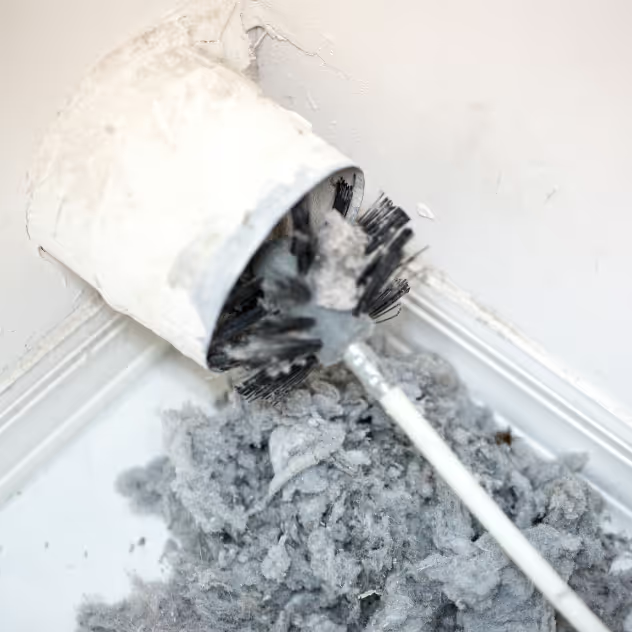
Most of the lint that causes trouble is nowhere near the back of the dryer. We clean the complete vent path — from the dryer connection out to the exterior termination, not just the accessible first few feet — then confirm airflow at the outside vent and check that the flap opens the way it should. If the line turns out to be damaged rather than dirty, we show you: a crushed duct or a hood that no longer closes is a repair, and no amount of cleaning fixes it.
How it works
Our 4-Step Dryer Vent Cleaning Process
Our results
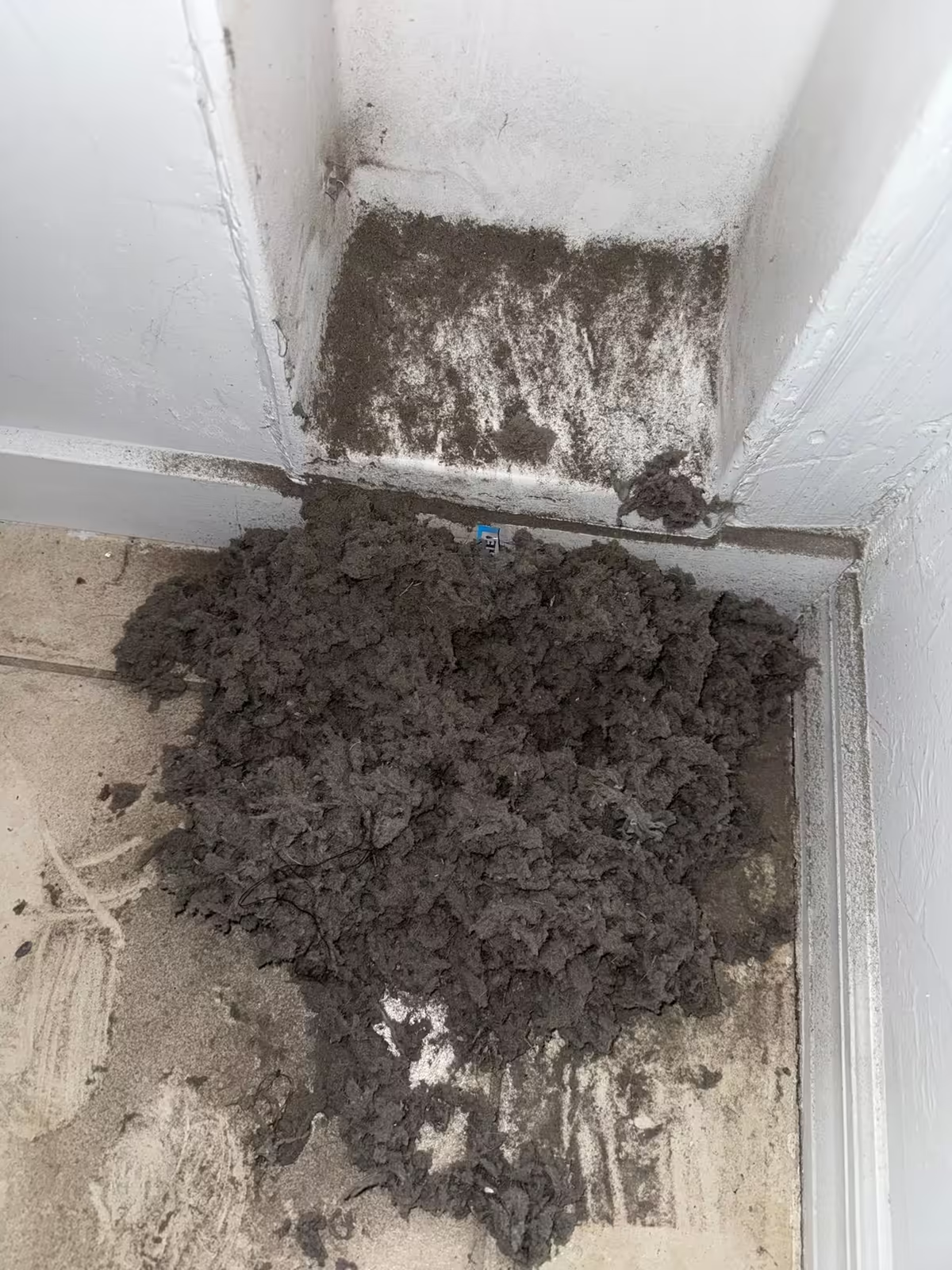
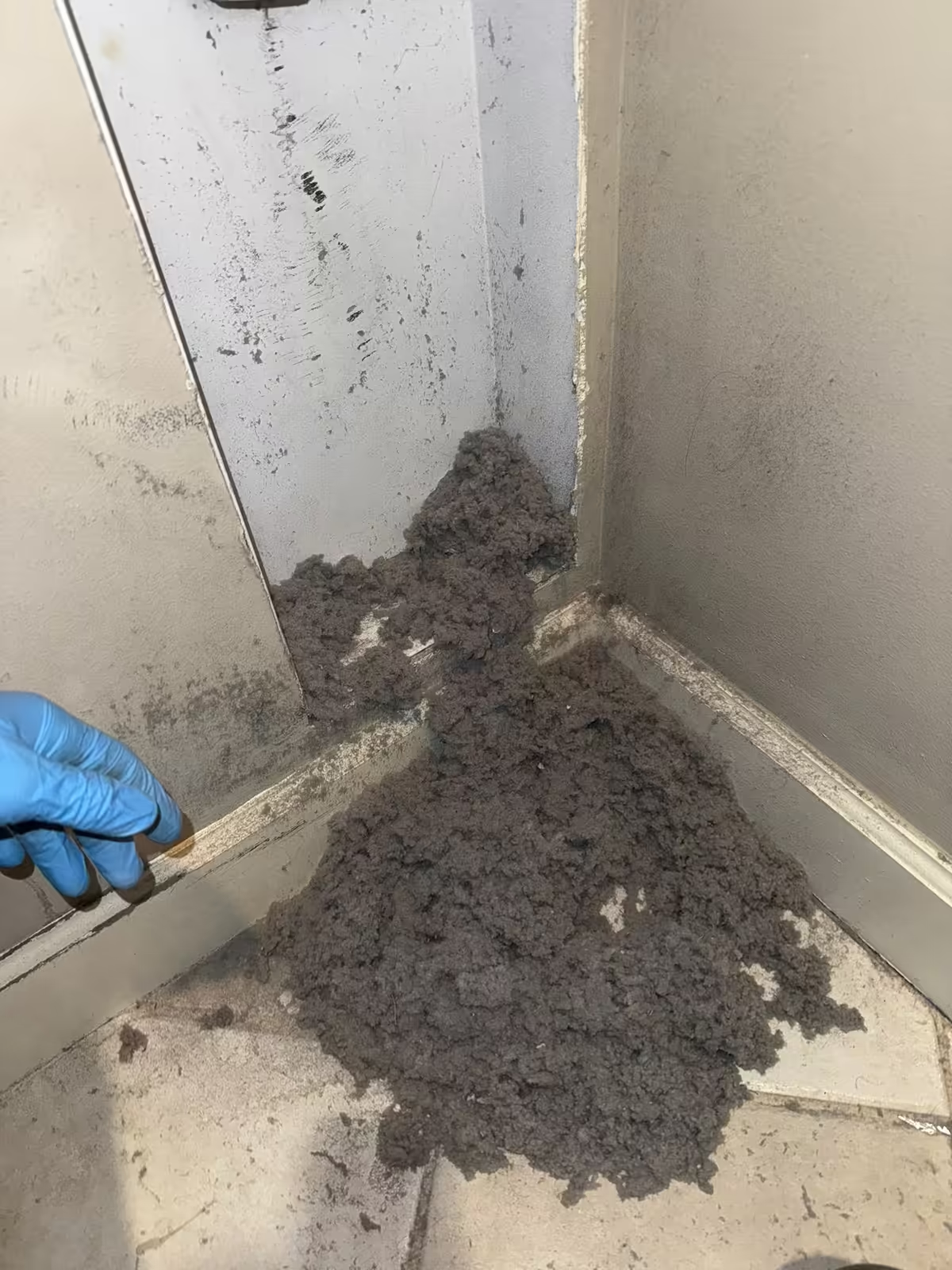
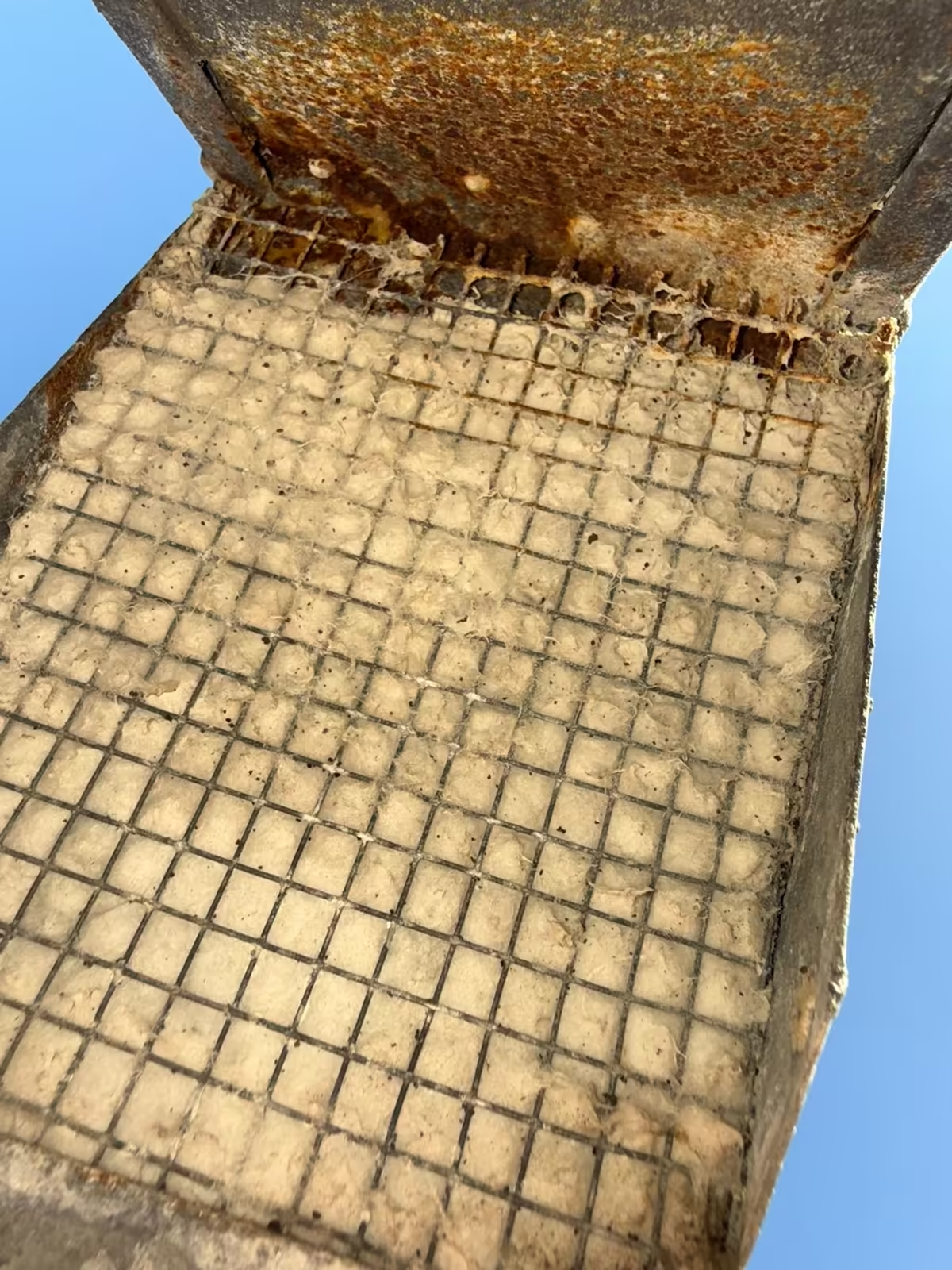
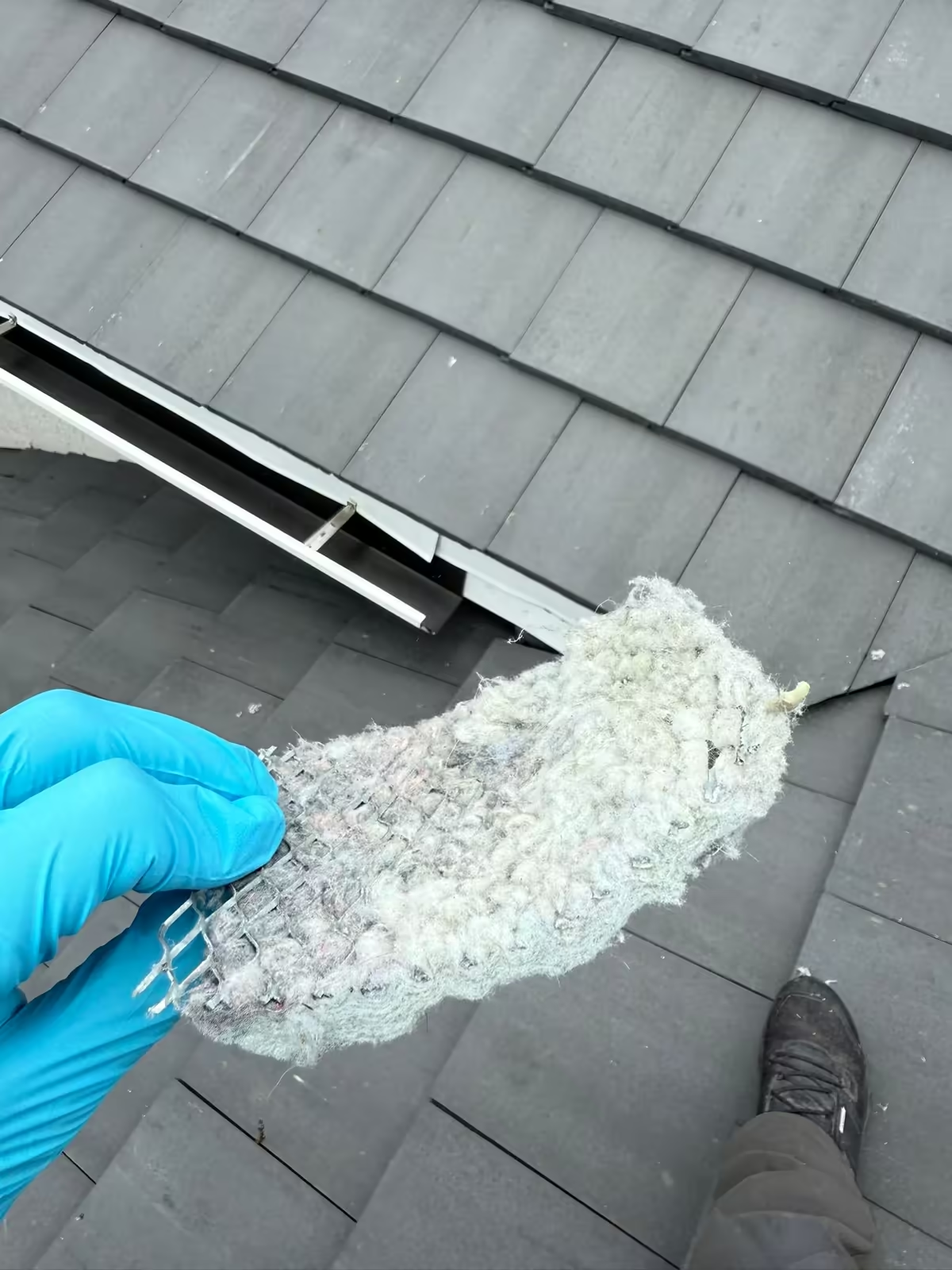
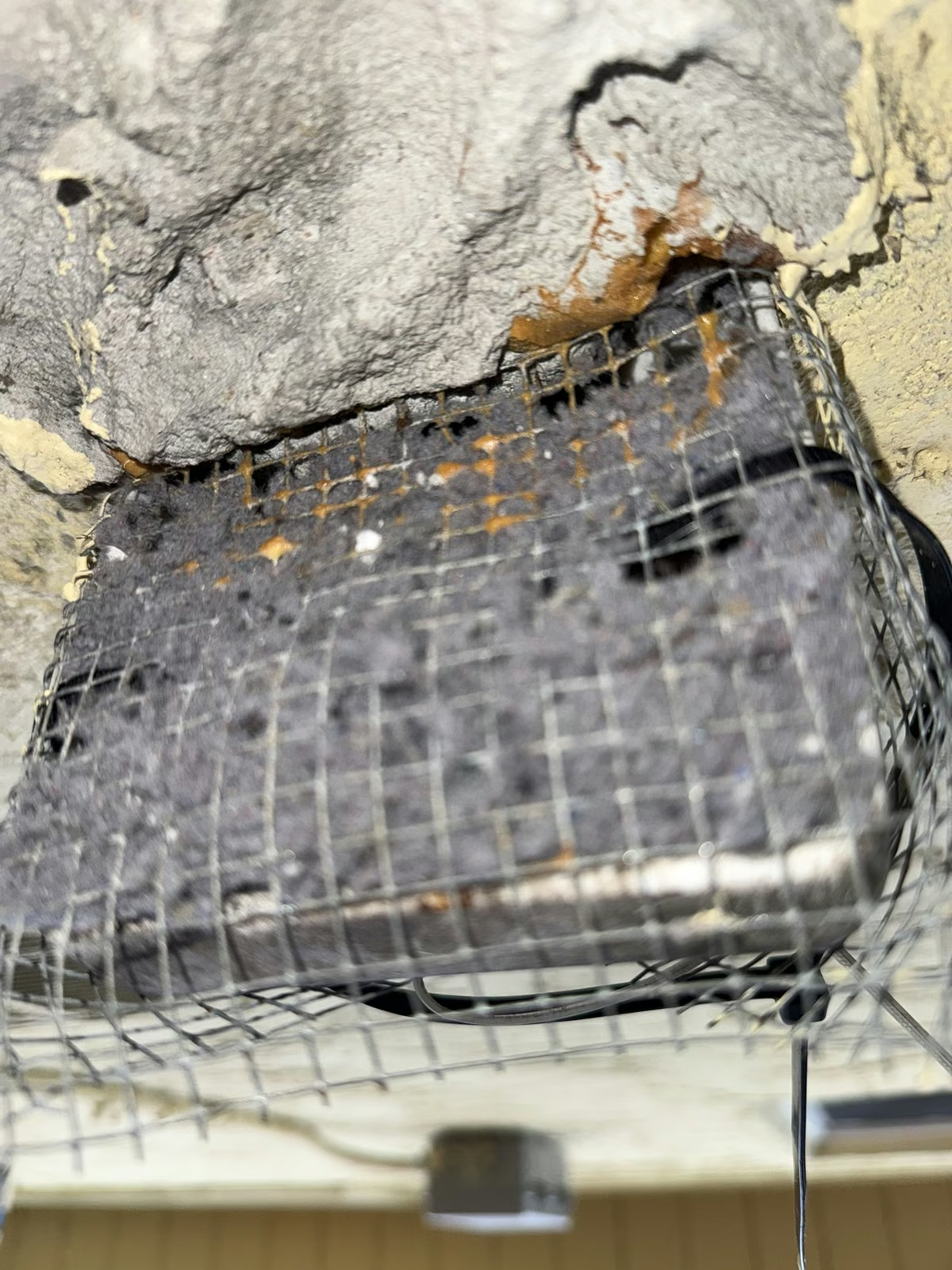
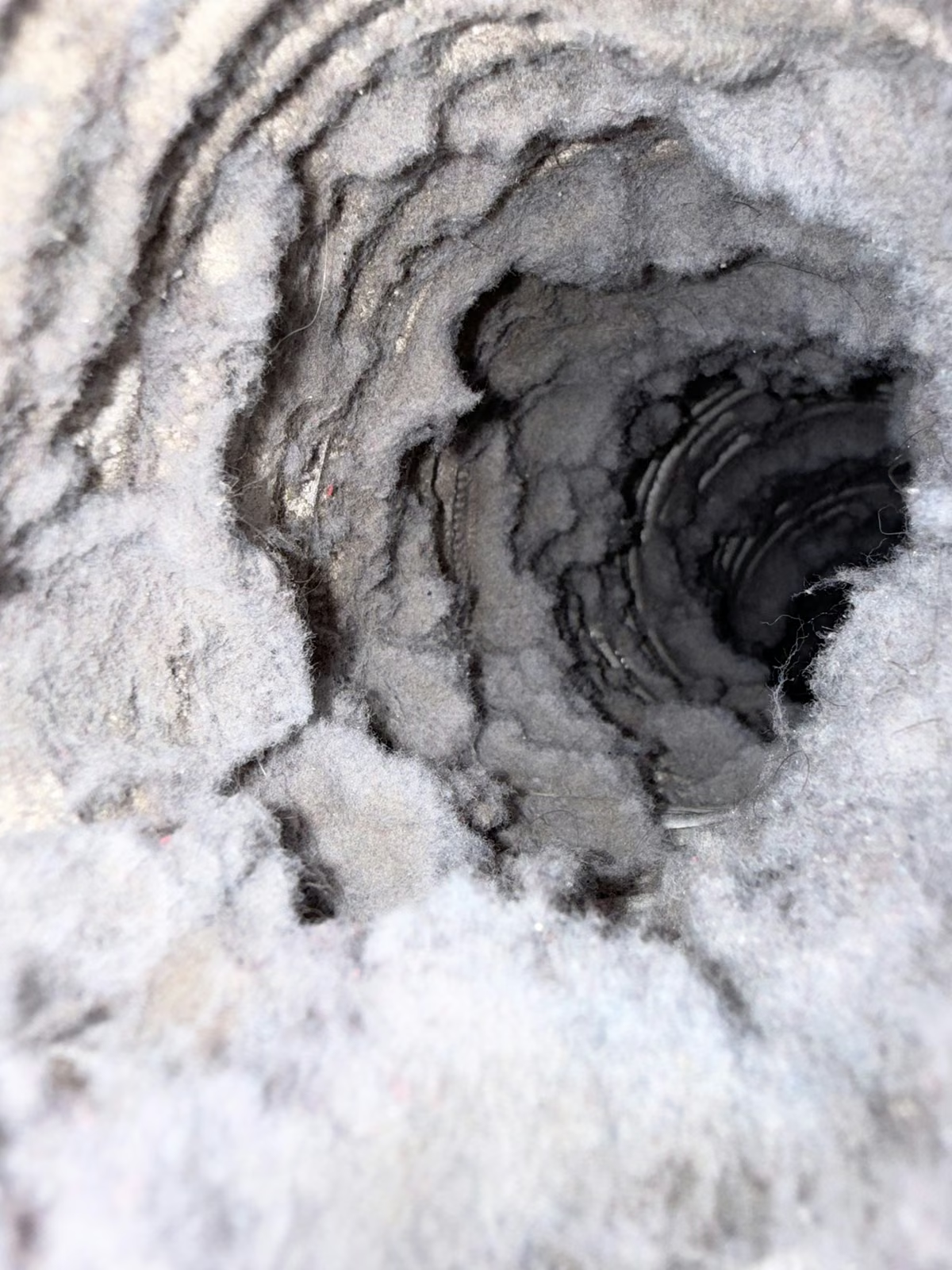
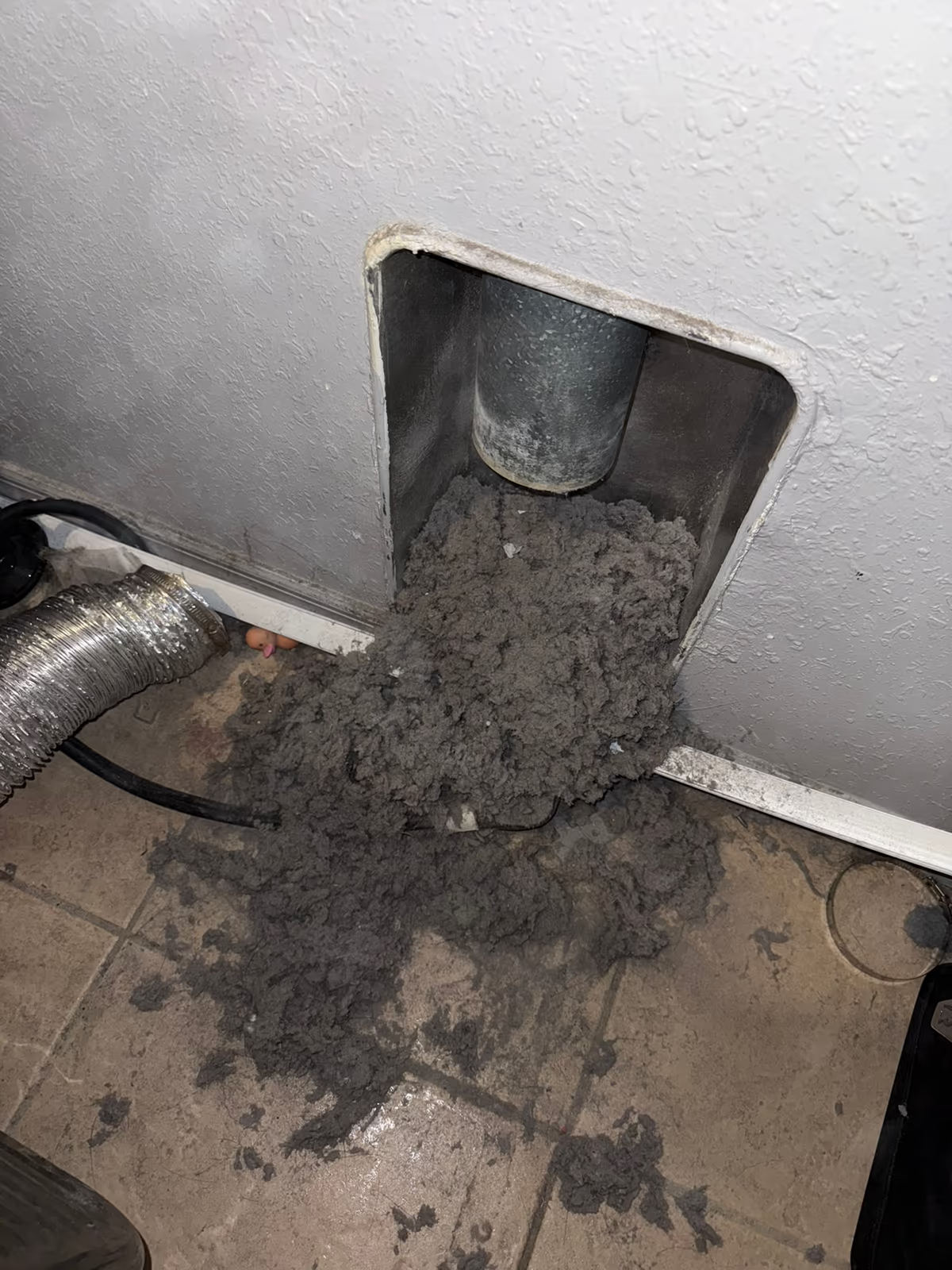
The Lint That Was in the Line
Dryer vent cleaning pulls the packed lint out of the vent line behind your dryer. That lint is what makes a dryer run hot and take two cycles to dry a load — and it is the reason a clogged vent is a fire risk. Every one of these came out of a South Florida home.
Testimonials
What The People Think About Us



Also in this area
Air Duct Cleaning in West Palm Beach
We handle air duct cleaning across West Palm Beach too — a different job with its own local quirks.
Nearby
Dryer Vent Cleaning elsewhere in Palm Beach County
Related reading
Dryer Vent Cleaning questions, answered at length
The dryer vent cleaning questions we hear most across South Florida, West Palm Beach included.
Air quality services
Ready to Solve Your Indoor Air Problems? Get Your Free Estimate Now
Restore your home's air quality with certified technicians, industry-leading equipment, and premium cleaning standards. We deliver top-tier airflow, healthier ventilation, and long-lasting results you can feel.