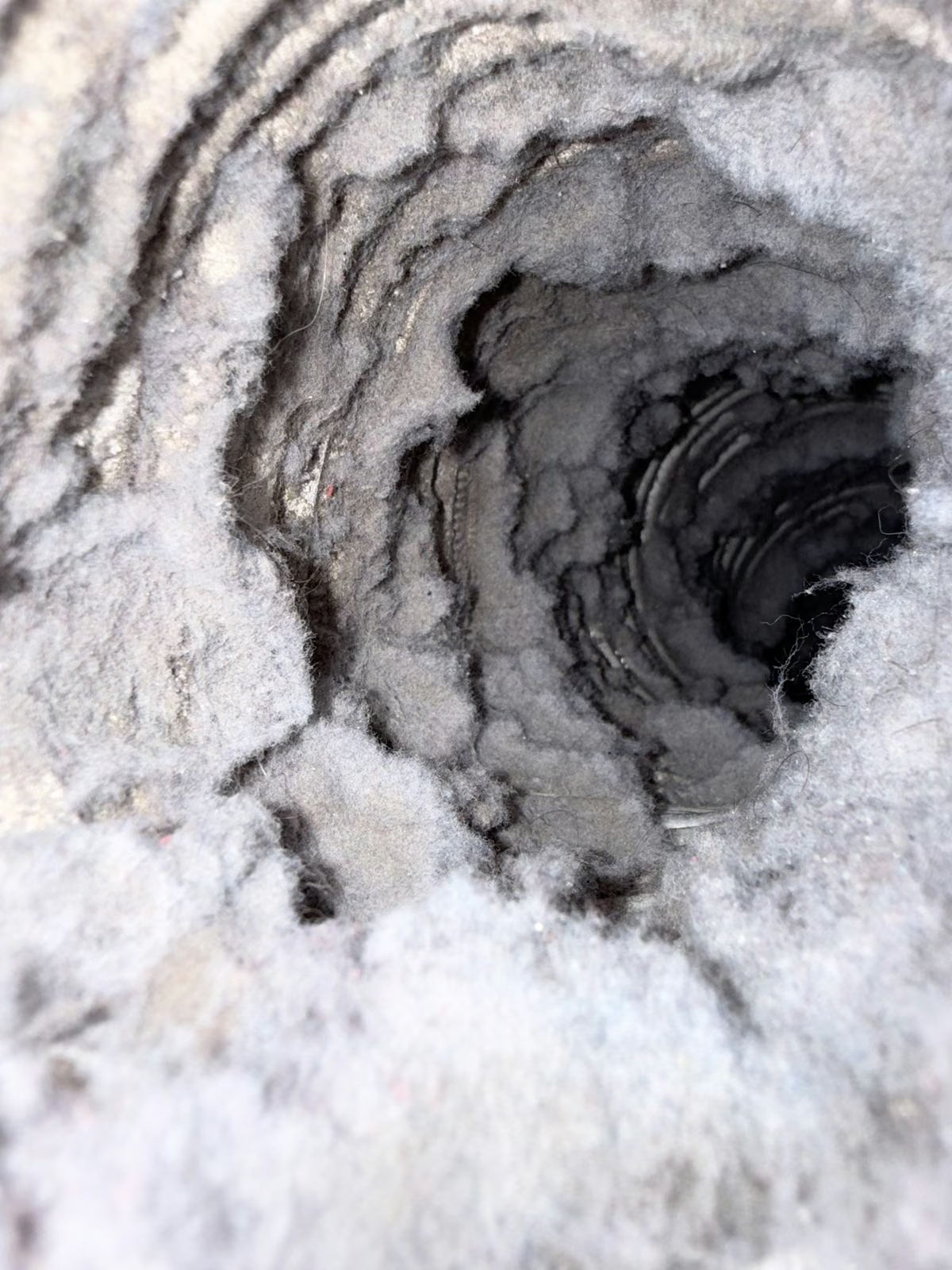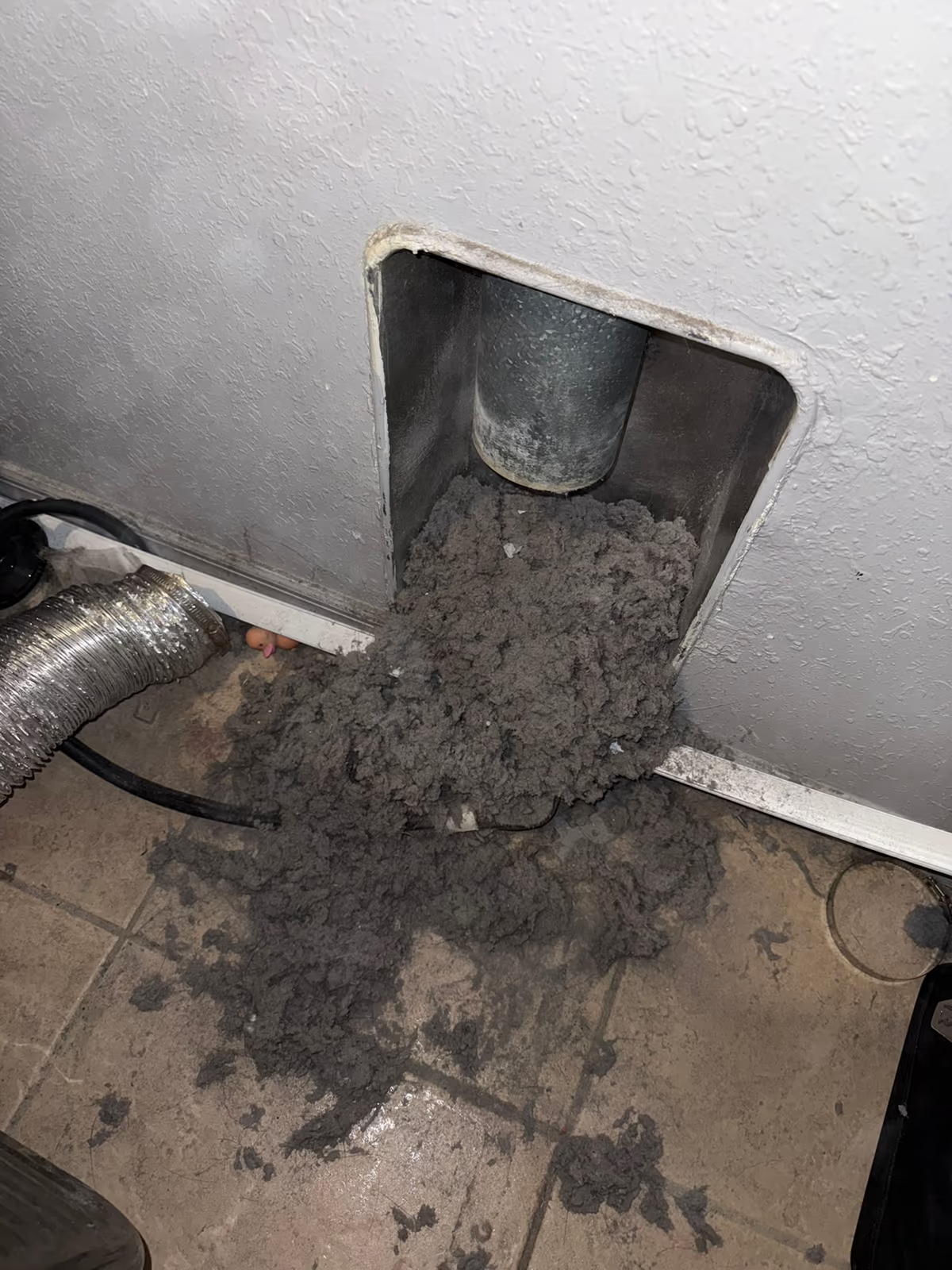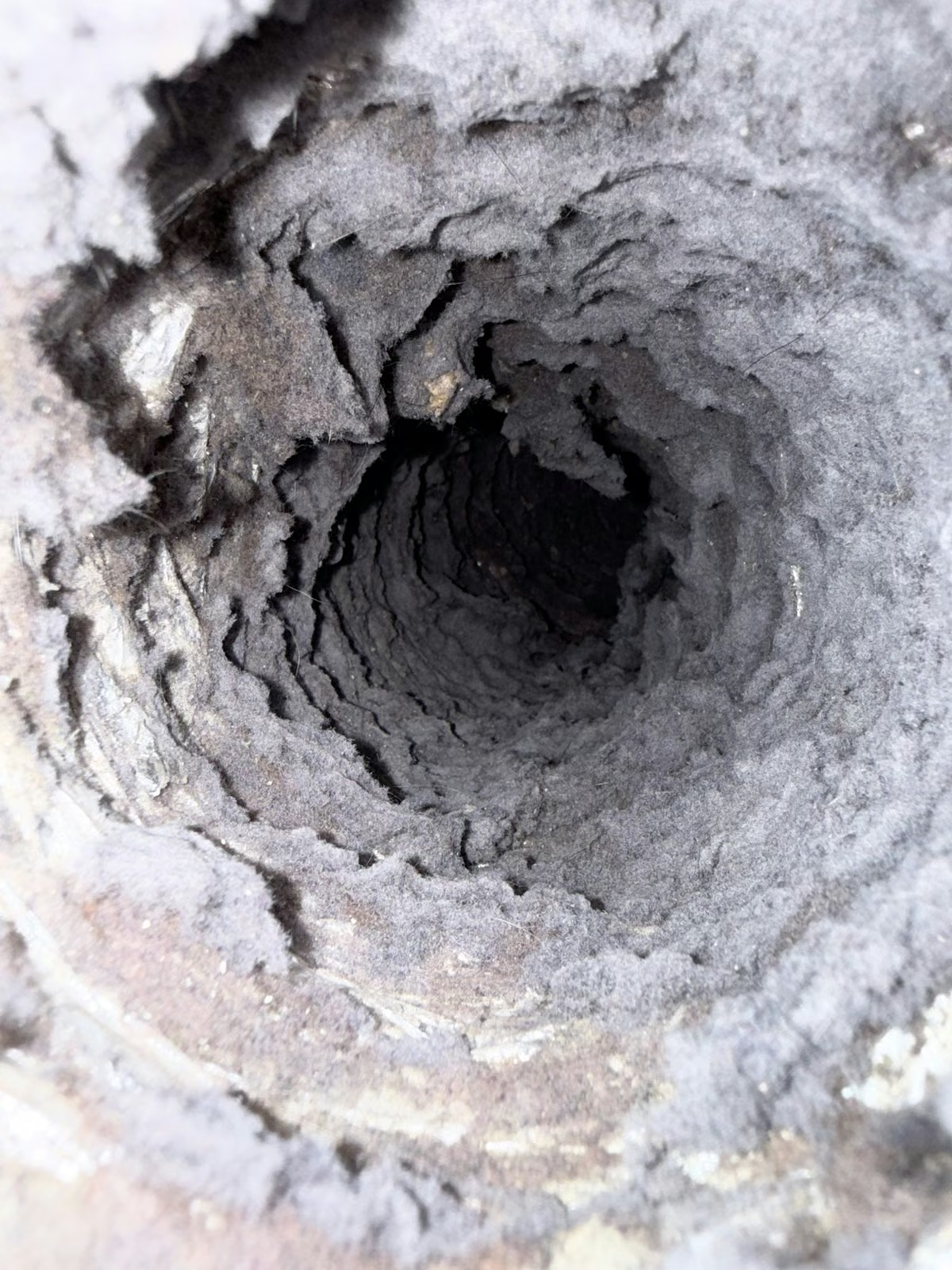
Lint is dry, loose, and highly flammable — the same material people pack into homemade fire starters. A dryer pushes heat through the line it collects in. That much is true in any building.
What a condo changes is not the physics. It is how much lint builds up before anybody looks, and who is standing in the building when it matters.
Why condo runs collect more
In a single-family house the dryer often vents through an outside wall a few feet away. In a condo or townhome the line can travel through interior walls, turn several corners, and terminate on the roof.
Every elbow and every extra foot is another place for lint to catch. And South Florida humidity works against you here — damp lint clumps and clings to duct walls far more readily than dry lint does, so the same load sheds more clinging buildup than it would in a dry climate.
Longer, less accessible lines also get cleaned less often, for a plain reason: nobody can see them. A wall vent hood you walk past is a reminder. A roof termination four floors up is not.
What the code requires of a shared shaft
If your building sends all its laundry exhaust up one vertical duct, that system has its own section in the Florida Building Code, Mechanical — §504.11, covering common multistory dryer exhaust systems.
Read as a list, its requirements describe a hazard the code takes seriously:
- The shaft must be constructed and fire-resistance rated as the building code requires.
- "Dampers shall be prohibited in the exhaust duct."
- Rigid sheet steel ductwork inside the shaft, installed "without offsets."
- The exhaust fan "shall run continuously", on a standby power source.
- Fan operation "shall be monitored" and must "initiate an audible or visual signal when the fan is not in operation."
- A cleanout "not less than 12 inches by 12 inches" at the base of the shaft, for cleaning and inspection.
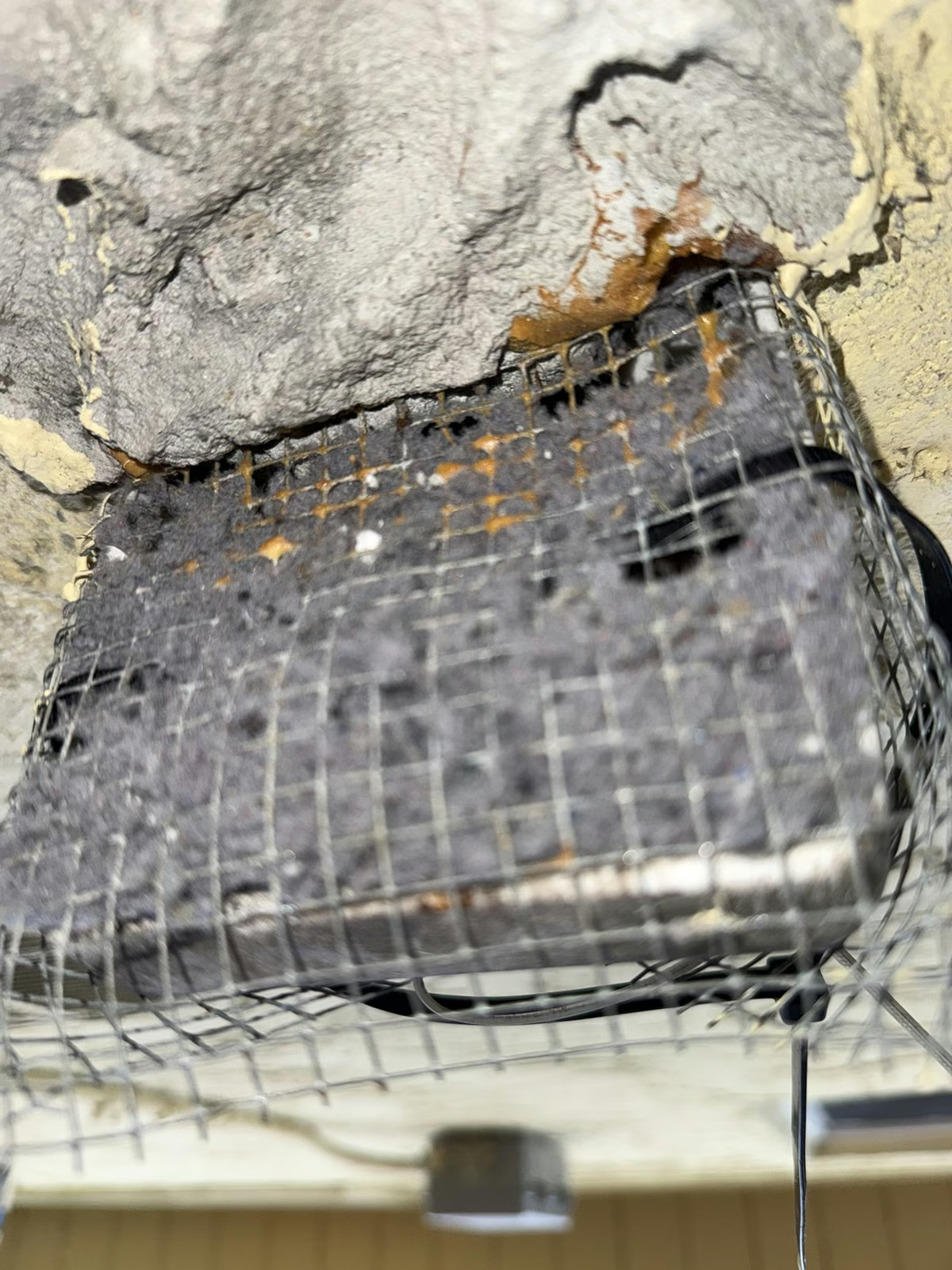
- "Screens shall not be installed at the termination."
A fire-rated shaft with an alarmed, continuously running fan and a purpose-built cleanout hatch is not the description of a system anybody expected to be left alone. The cleanout in particular is the code conceding that lint will accumulate and someone will have to remove it.
The part most often installed wrong
The short duct connecting the appliance to the wall is where we find the most problems, and the code is specific about it. Clothes dryer transition ducts are limited to single lengths not exceeding 8 feet, must be listed and labelled for the application, and "shall not be concealed within construction."
What we actually find: long coils of flexible foil compressed into the gap behind the dryer, kinked into an S, or run inside a wall cavity where the code says they must not be. Foil and vinyl tear, too — and a torn duct dumps hot, humid, lint-laden air into the wall or the laundry closet rather than outside.
That last point matters more than it sounds. A disconnected or torn transition duct is not a slow decline in efficiency. It is lint accumulating somewhere it was never meant to be, next to heat.
The honest version of the risk
We are not going to hand you a percentage. There are widely repeated dryer-fire statistics and we have not independently verified any of them, so we will not use them to sell you a cleaning.
What we will say is what the work shows. A neglected line comes out packed — sometimes a solid plug the width of the duct. In a building, that plug sits inside a structure shared by many households, and the code requires a fire-rated shaft and an alarmed fan precisely because of what is in there.
The one sign that should stop you immediately is a burning smell during a cycle. Do not run another load. Everything else on the usual symptom list — two cycles to dry, a hot laundry room, a hot dryer cabinet, weak or no airflow at the outside hood — means restricted, and restricted means clean it. A burning smell means stop.
What to do in a building
Get your own run checked, because it is the part you control. If it comes back clear and the dryer still struggles, the restriction is past the point where your line joins the common duct, and that becomes a conversation with the manager rather than another cleaning. Who owns that section is set by your declaration of condominium, and whether one restricted line can slow the whole stack depends on whether your building shares a shaft.
Before you book anything, the signs of a clogged dryer vent are what tell you whether your own run is the problem — and they are the same symptoms whether the line is yours alone or feeds a shared shaft.
Keep the invoice and the photos either way. In a condo, who was responsible for which section of duct is the first question anyone asks afterwards, and documentation is the only answer that survives.
We handle condo and townhome dryer vents across Miami-Dade, Broward and Palm Beach, including roof terminations and the long runs some companies decline. What the job involves is on our dryer vent cleaning page, with real photos from recent work. If we find the fault is in a shared element rather than your unit, you get that in writing with pictures.
This page is general information, not legal advice, and nothing here characterises any insurance policy. Building code requirements are quoted from the Florida Building Code as published; whether a given provision applies to your building is a question for a licensed design professional or your local building department. Ask your own carrier about your own coverage.