






Every restriction in a dryer's airflow adds up, and the first one the air meets is the lint screen. A screen that looks clean can still be closed off, because fabric softener and dryer sheets leave a film across the mesh that builds over months and is invisible against a white plastic frame. The manufacturers do address this. Whirlpool and Maytag both tell owners to look the screen over roughly twice a year and, where there is a film on it, to scrub both sides with a nylon brush wetted with hot water and a little liquid detergent, then rinse and dry it before it goes back. The quick check technicians use, which is not in anybody's manual, is to hold the screen under a running tap: water should pour straight through as though the mesh were not there, and water that beads on the surface or gathers in the frame means air is not getting through either. Doing that occasionally is the simplest thing anybody can do for a dryer, and it sits upstream of everything a vent cleaning touches.
The second thing to eliminate is not a restriction at all, which is what makes it confusing. Most machines run their automatic cycles off two metal bars set into the drum opening; the bars read the moisture in clothes tumbling across them, and when the reading says dry, the cycle ends. Technicians commonly find that the residue which films a lint screen films those bars too, and that a filmed sensor calls a load dry early. No manufacturer documents it, so treat it as a thing to eliminate and not a thing to assume. What makes it worth ruling out is that its symptom is the inverse of a blockage. A restricted vent produces heat and steam: a machine hot to the touch, a laundry room that turns warm and humid, and a load needing a second run. A sensor reading early produces a cycle that ends quickly and quietly with the clothes still wet. Those two patterns behave the same whether the house dates from the 1950s or the 2010s, which is the point of starting here: you can settle which half of the system is at fault before anyone knows a thing about your run.
Your questions answered
Dryer Vent Cleaning in Boynton Beach — FAQs
What Boynton Beach homeowners ask us about dryer vent cleaning.
What sets us apart
The Whole Line, From the Dryer to the Outside Wall
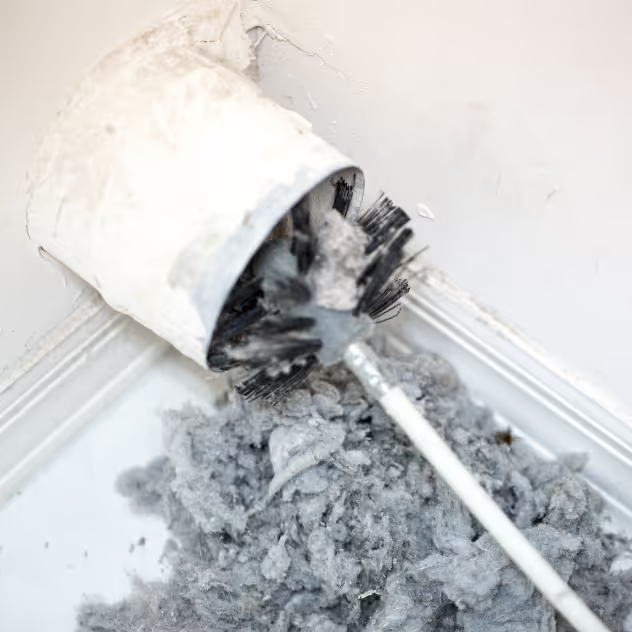
Most of the lint that causes trouble is nowhere near the back of the dryer. We clean the complete vent path — from the dryer connection out to the exterior termination, not just the accessible first few feet — then confirm airflow at the outside vent and check that the flap opens the way it should. If the line turns out to be damaged rather than dirty, we show you: a crushed duct or a hood that no longer closes is a repair, and no amount of cleaning fixes it.
How it works
Our 4-Step Dryer Vent Cleaning Process
Our results
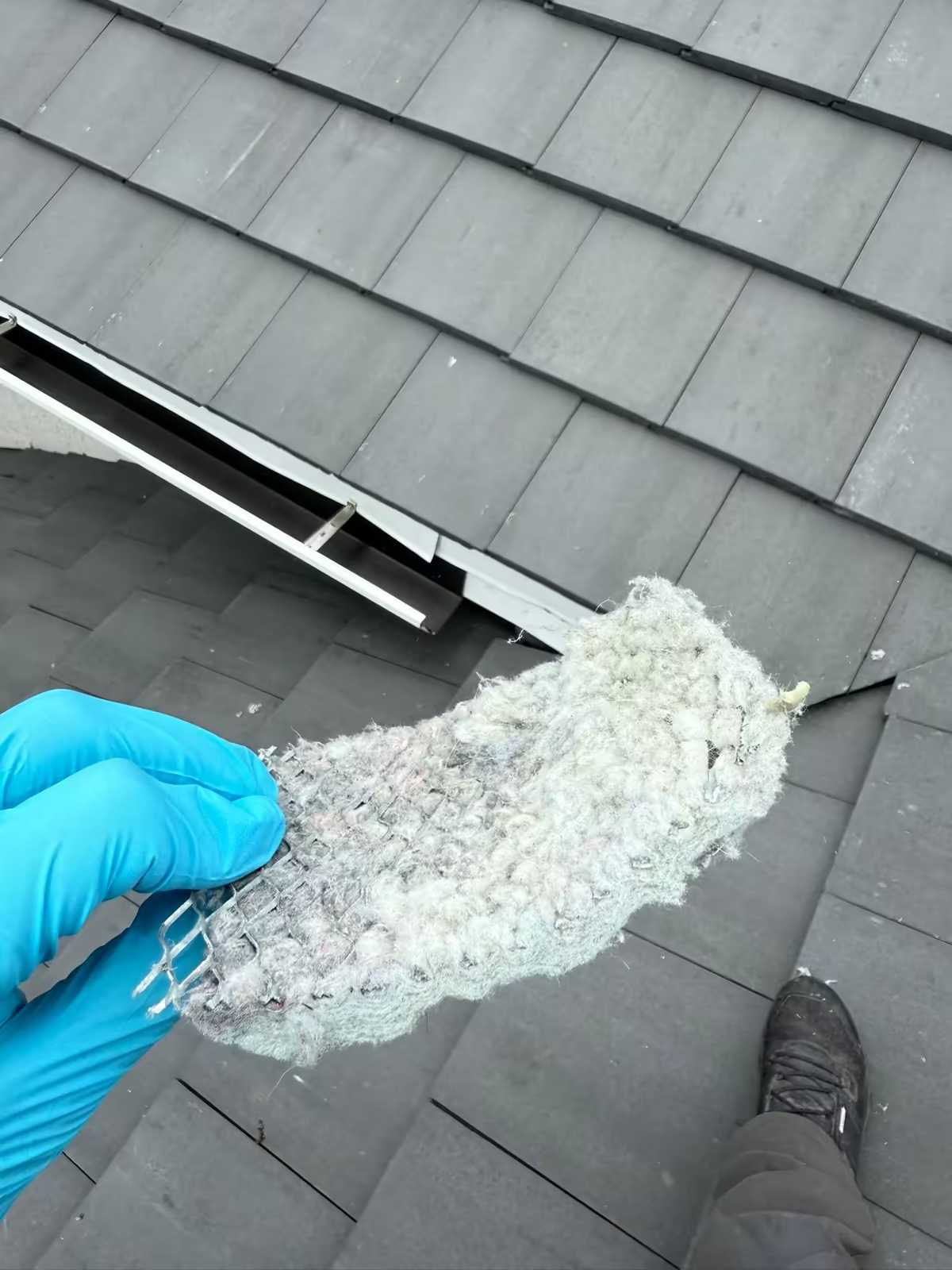
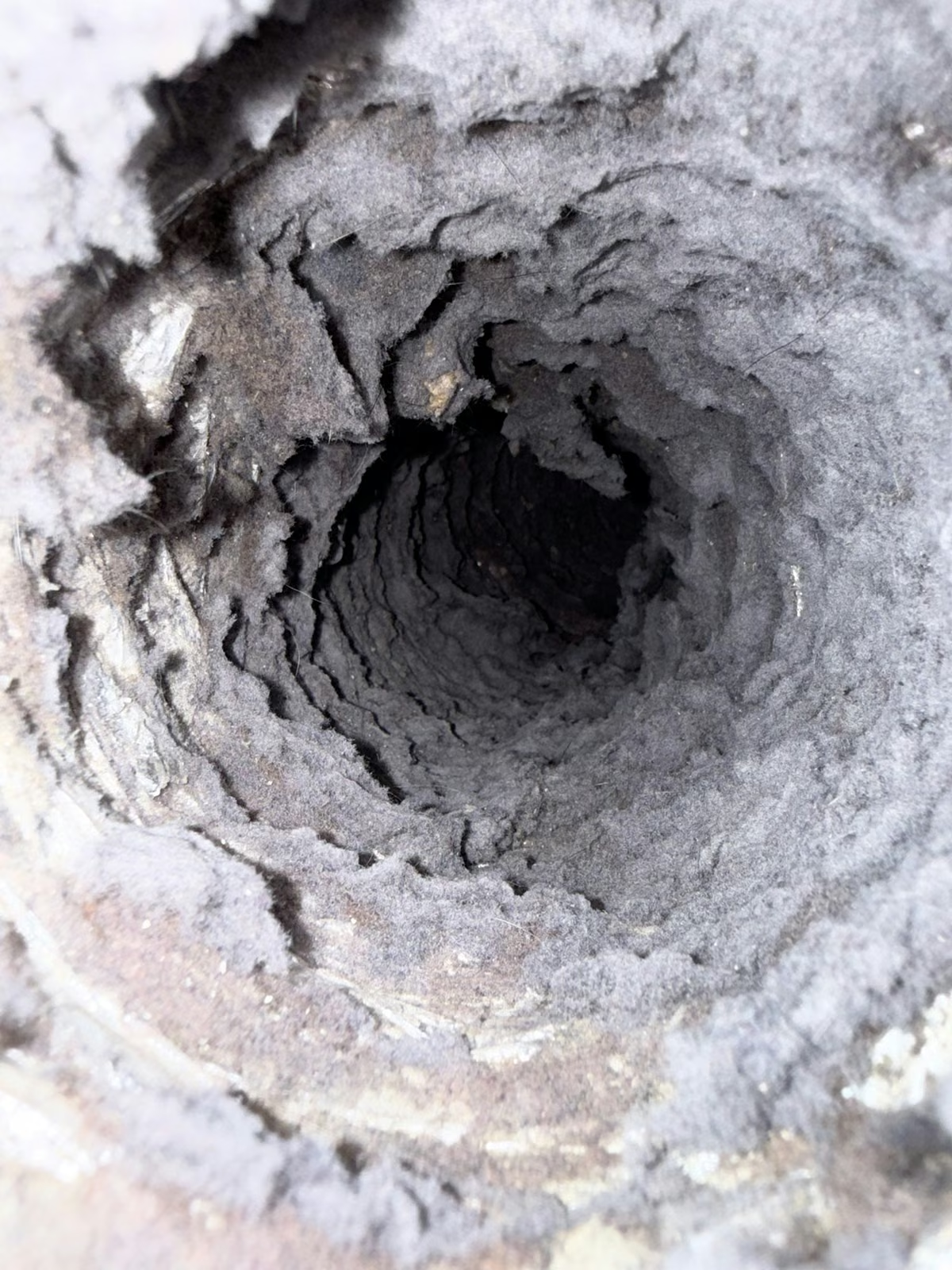
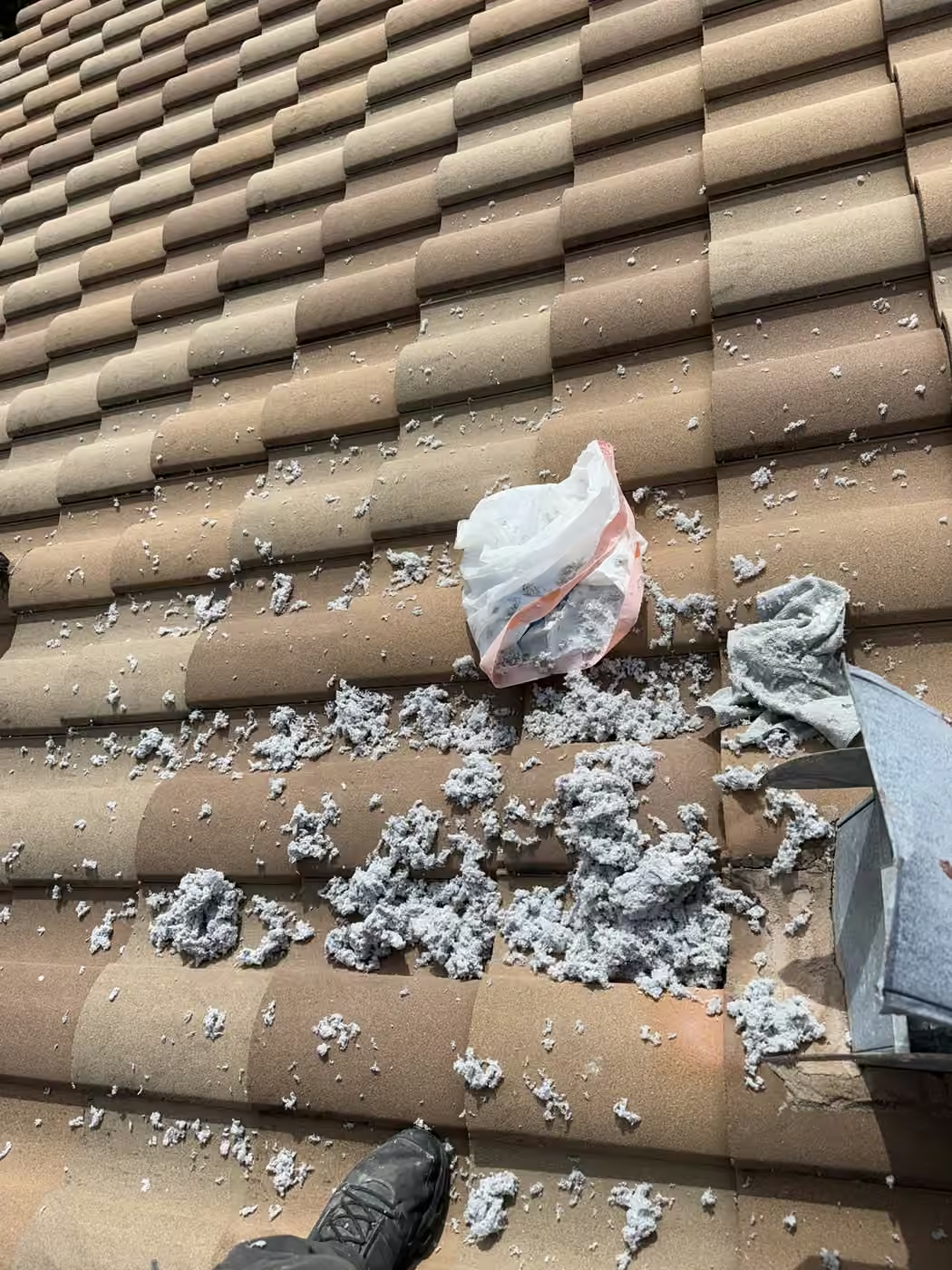
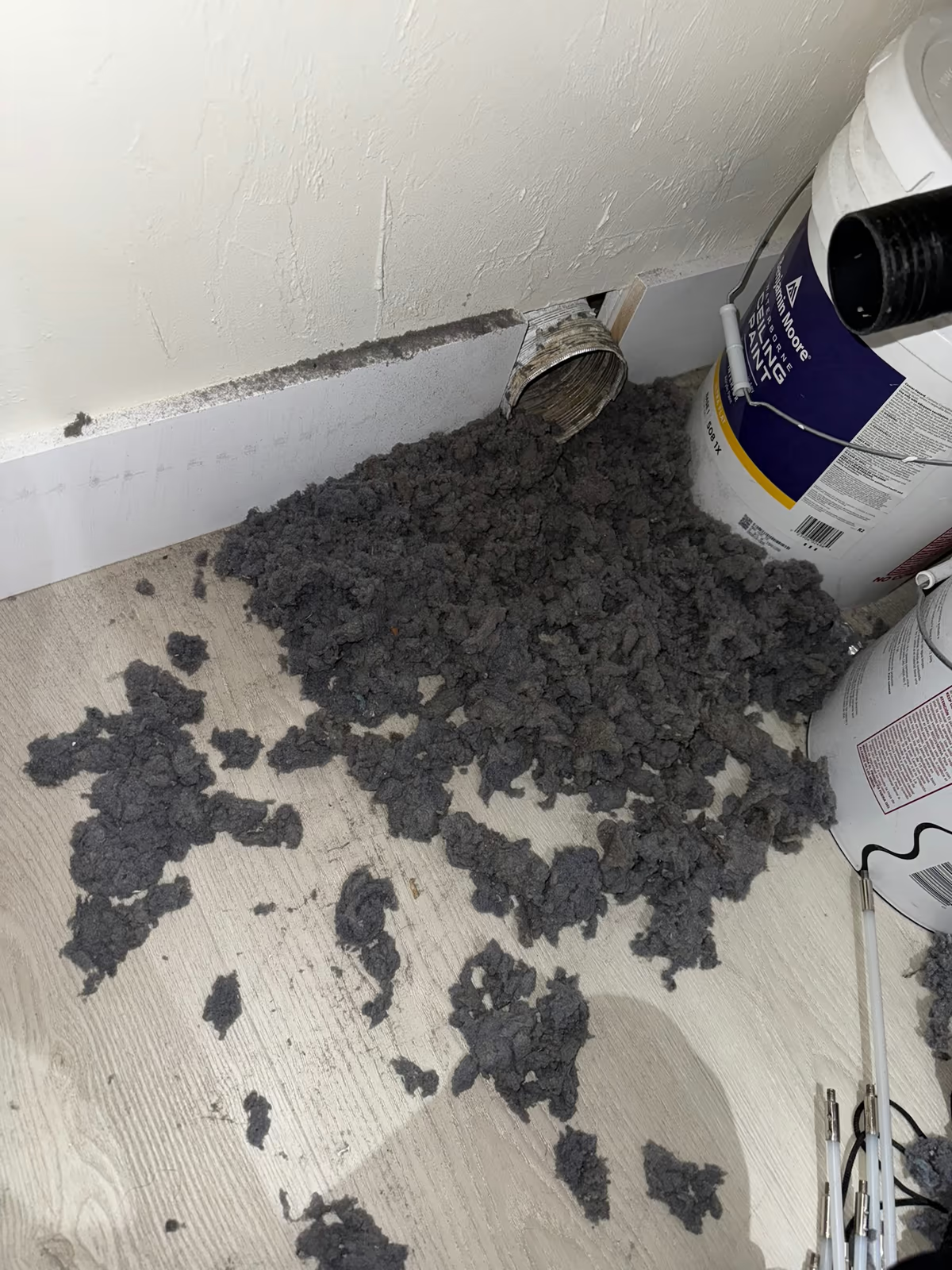
The Lint That Was in the Line
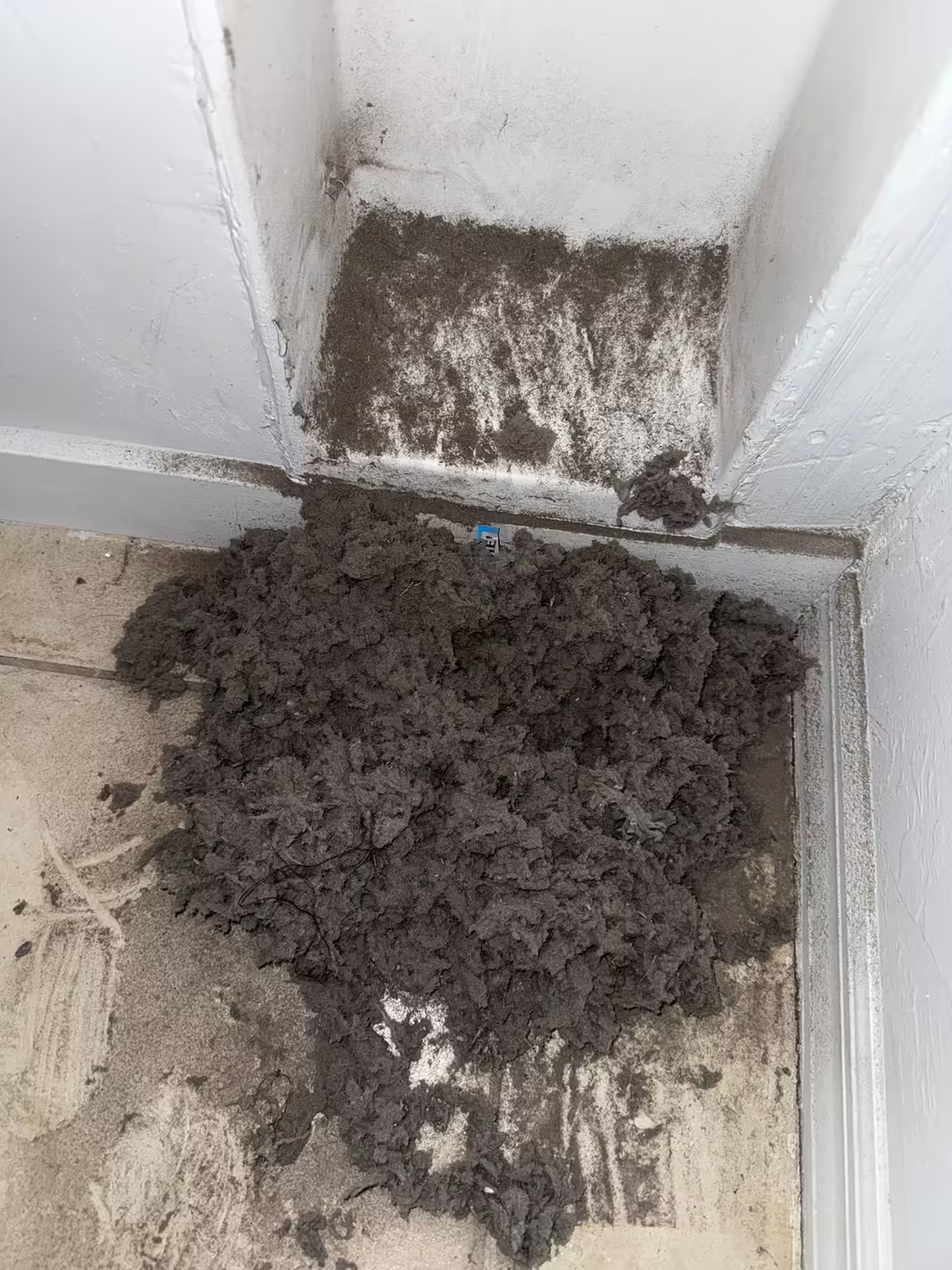
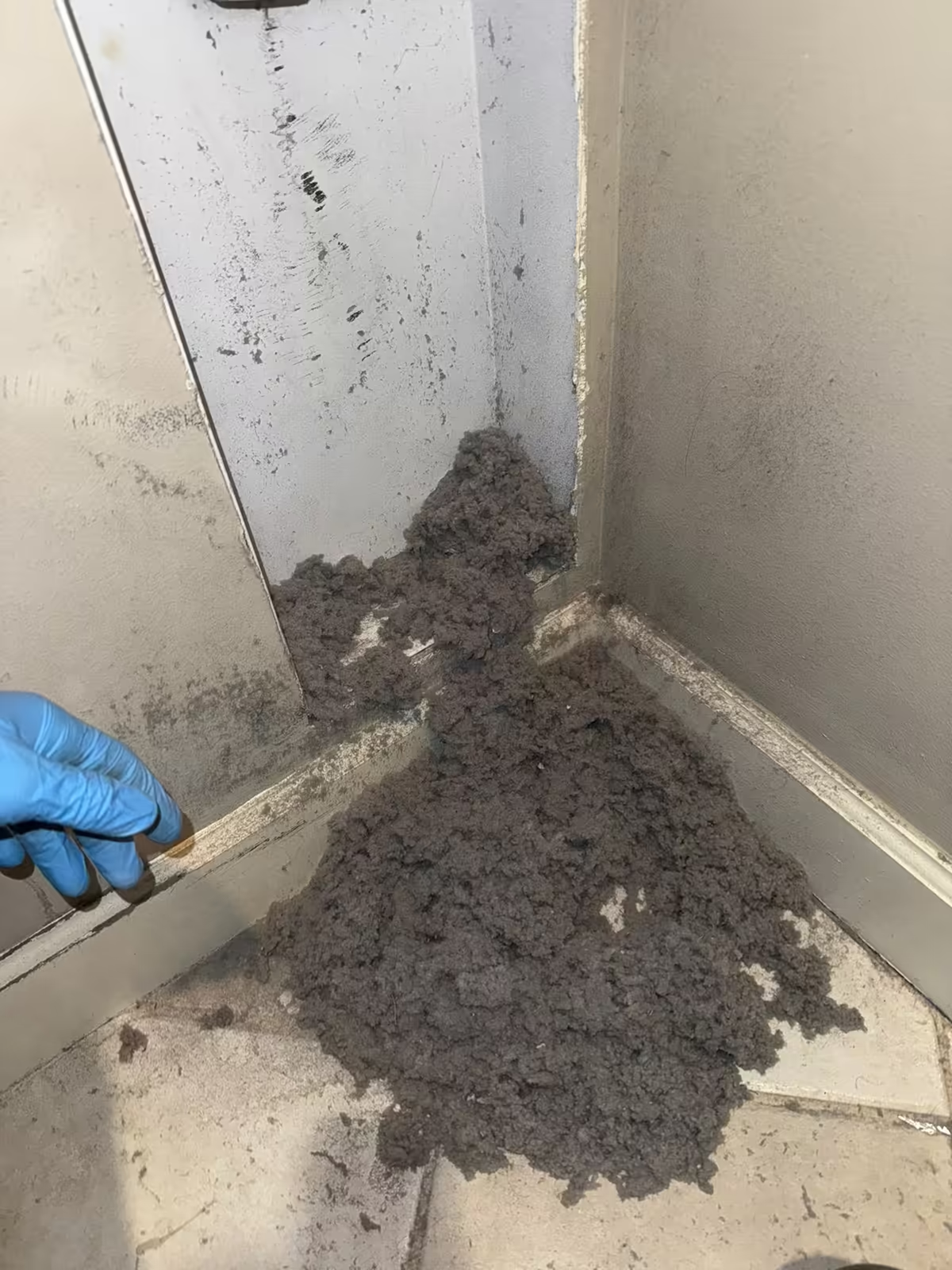
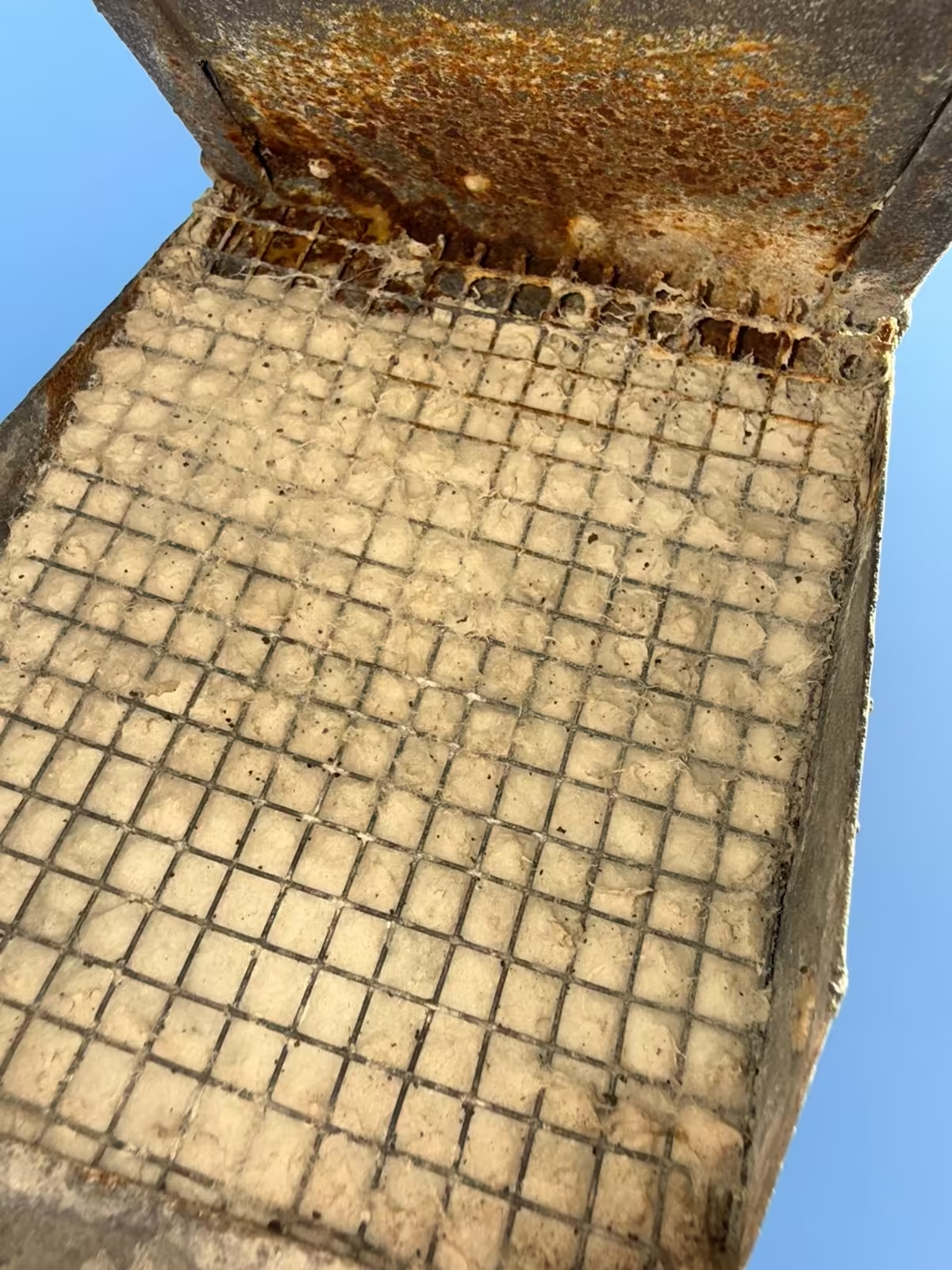
Dryer vent cleaning pulls the packed lint out of the vent line behind your dryer. That lint is what makes a dryer run hot and take two cycles to dry a load — and it is the reason a clogged vent is a fire risk. Every one of these came out of a South Florida home.
Testimonials
What The People Think About Us



Also in this area
Air Duct Cleaning in Boynton Beach
We handle air duct cleaning across Boynton Beach too — a different job with its own local quirks.
Nearby
Dryer Vent Cleaning elsewhere in Palm Beach County
Related reading
Dryer Vent Cleaning questions, answered at length
The dryer vent cleaning questions we hear most across South Florida, Boynton Beach included.
Air quality services
Ready to Solve Your Indoor Air Problems? Get Your Free Estimate Now
Restore your home's air quality with certified technicians, industry-leading equipment, and premium cleaning standards. We deliver top-tier airflow, healthier ventilation, and long-lasting results you can feel.