Before anything else: stop the load. Do not run another one to see whether it happens again.
A burning smell is different from the other things a dryer does when something is wrong. Slow drying and a hot laundry room mean the system is restricted and want dealing with soon. A burning smell means something is at a temperature it should not be at, right now.
Unplug the dryer, or kill its breaker if it is electric, and leave the door open so the drum can cool. Then work out which of four things you are smelling.
1. Lint scorching against a restricted vent
This is the one that brings people to us, and it is the most common.
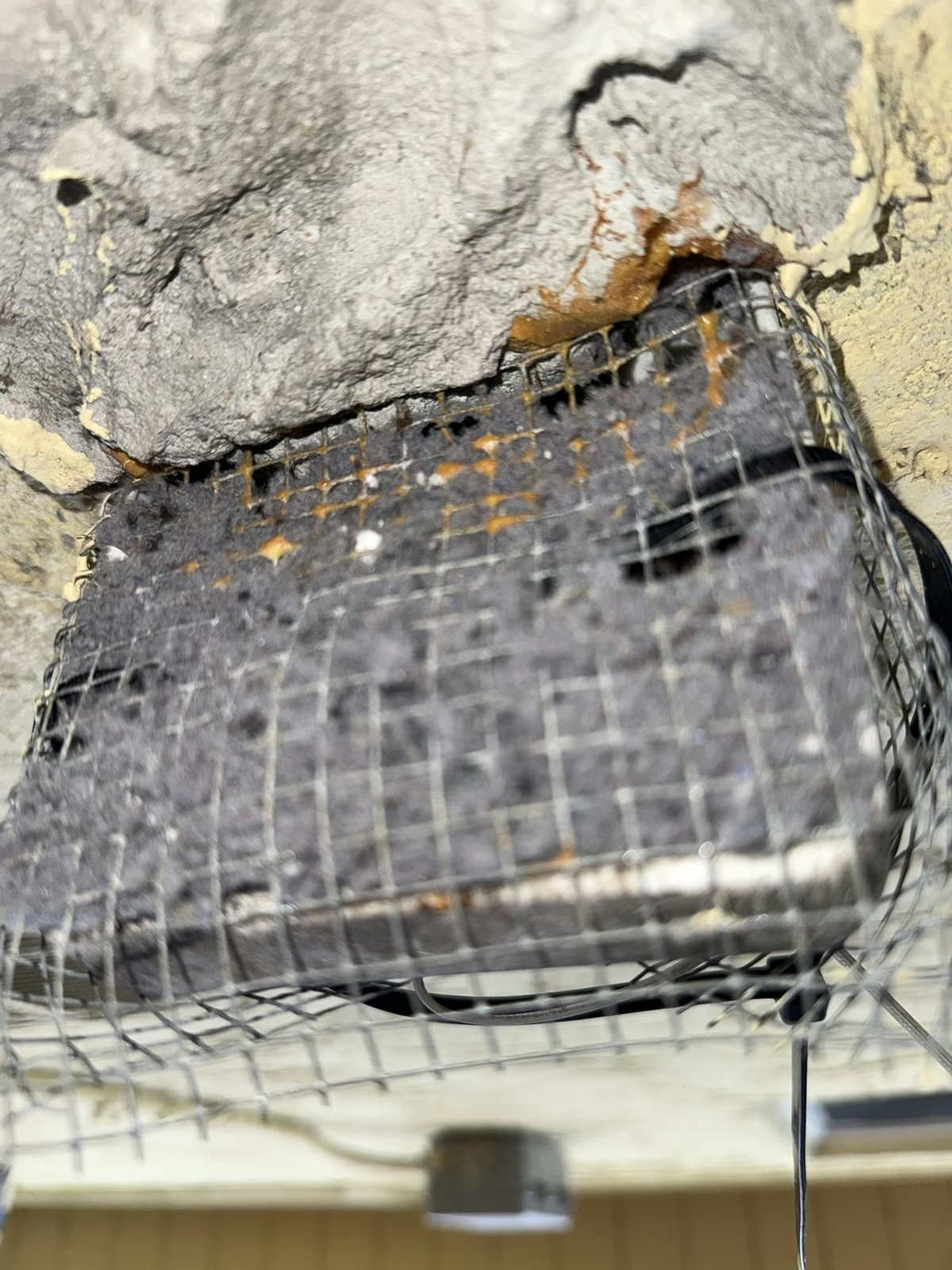
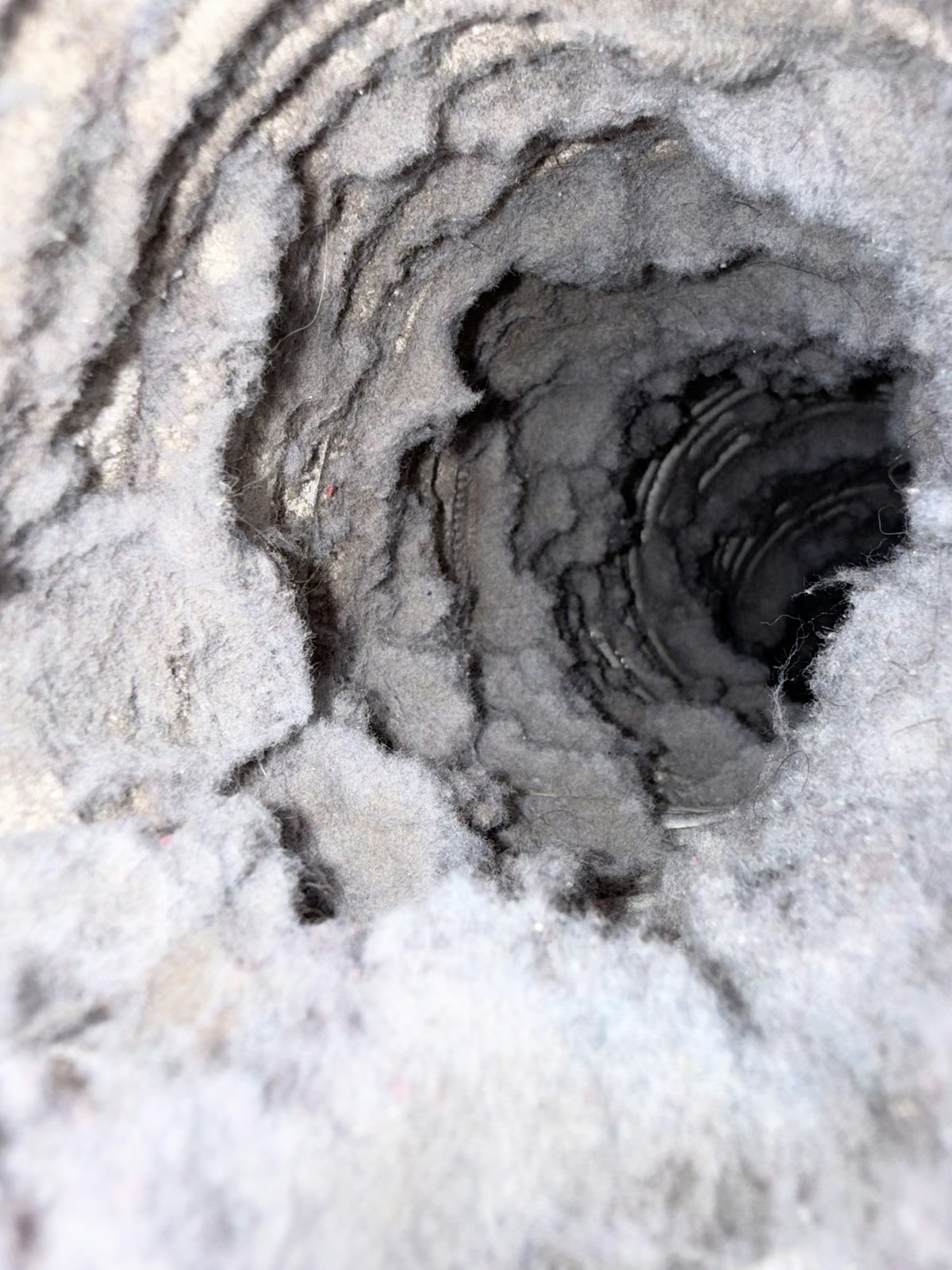
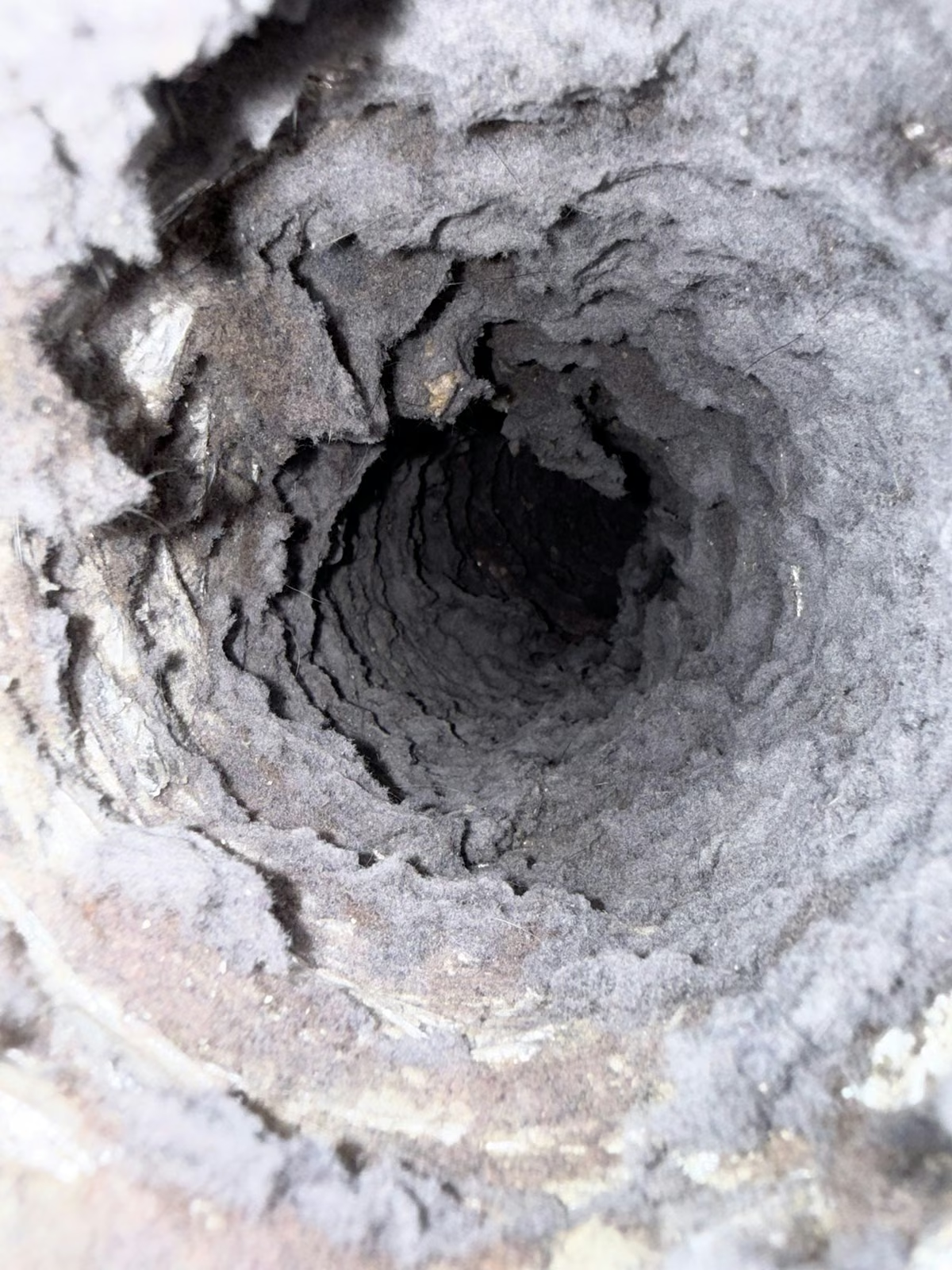
A dryer heats air, moves it through the drum, and pushes the hot humid result out through the vent line. When lint restricts that line, the heat stops leaving. It stays in the system — and the system is now full of dry, loose, highly flammable lint with no airflow carrying heat away from it.
What it smells like: hot fabric. Singed cloth. Like something scorched rather than something melted.
What comes with it: the other restriction signs, and they have usually been building for months. Loads needing two cycles. A dryer cabinet hot to the touch at the end of a run. A laundry room that gets hot and humid while it runs. Little or no air pushing out of the vent hood outside when you hold a hand near it mid-cycle.
If that pattern fits, the vent line is where to look, and the smell means it needs looking at now rather than at the weekend. The full set of signs of a clogged dryer vent covers the rest of the pattern this one sits inside. And if clearing the line does not restore the airflow, the duct itself may be damaged rather than dirty — that is a different job, and worth ruling in or out before anyone quotes for a cleaning.
2. Something melting in the drum
Less dramatic and easy to check. A crayon, a pen, a plastic hair clip, a rubberised gym label, a phone charger that went through with the laundry.
What it smells like: specifically like melting plastic, and often localised — you notice it strongest with your head near the open drum rather than around the room.
What to do: let it cool, then look. Check the drum, the lint trap housing, and the seal around the door. This one is genuinely self-fixable and worth ruling out before calling anybody.
3. An electrical or motor fault
What it smells like: sharp and acrid. Hot plastic, hot insulation, sometimes a faintly ozone-like edge. Distinctly not the smell of burnt cloth.
The giveaway: it arrives without the airflow symptoms. Drying performance was fine last week. Nothing has been getting gradually slower. You may also hear a change — a whine, a grinding, or a motor that hesitates before the drum turns.
What to do: leave it off and get an appliance technician. This is not a duct problem and we would not pretend it was. A vent cleaning will not fix a failing motor, and anyone who tells you it will is guessing.
4. A brand new dryer breaking in
What it smells like: hot metal, slightly chemical, more "new appliance" than "burning laundry."
Why: manufacturing residues, protective coatings and oils on the heating element burn off over the first several cycles.
The characteristic that matters: it fades. Each load smells less than the last and it is gone within a handful of cycles. A smell that gets worse over time, or that smells of burnt cloth rather than hot metal, is not break-in.
One thing worth checking on any new install: whether the flexible transition duct behind the appliance got crushed when the dryer was pushed back into place. It happens constantly, it restricts the line immediately, and it is one of the cheapest things to put right.
Sorting it out quickly
Two questions get you most of the way:
Does it smell like cloth or like plastic? Cloth points at the vent. Plastic points at the drum or the appliance.
Have your dry times been getting worse for months? Yes points at the vent. No points at the appliance.
Cloth plus months of slow drying is a restricted line, and that is our work. Sharp plastic with no airflow history is an appliance call, and we will tell you so.
Why we will not quote you odds
There are widely circulated dryer-fire statistics. We have not independently verified them, so we are not going to use them to sell you anything.
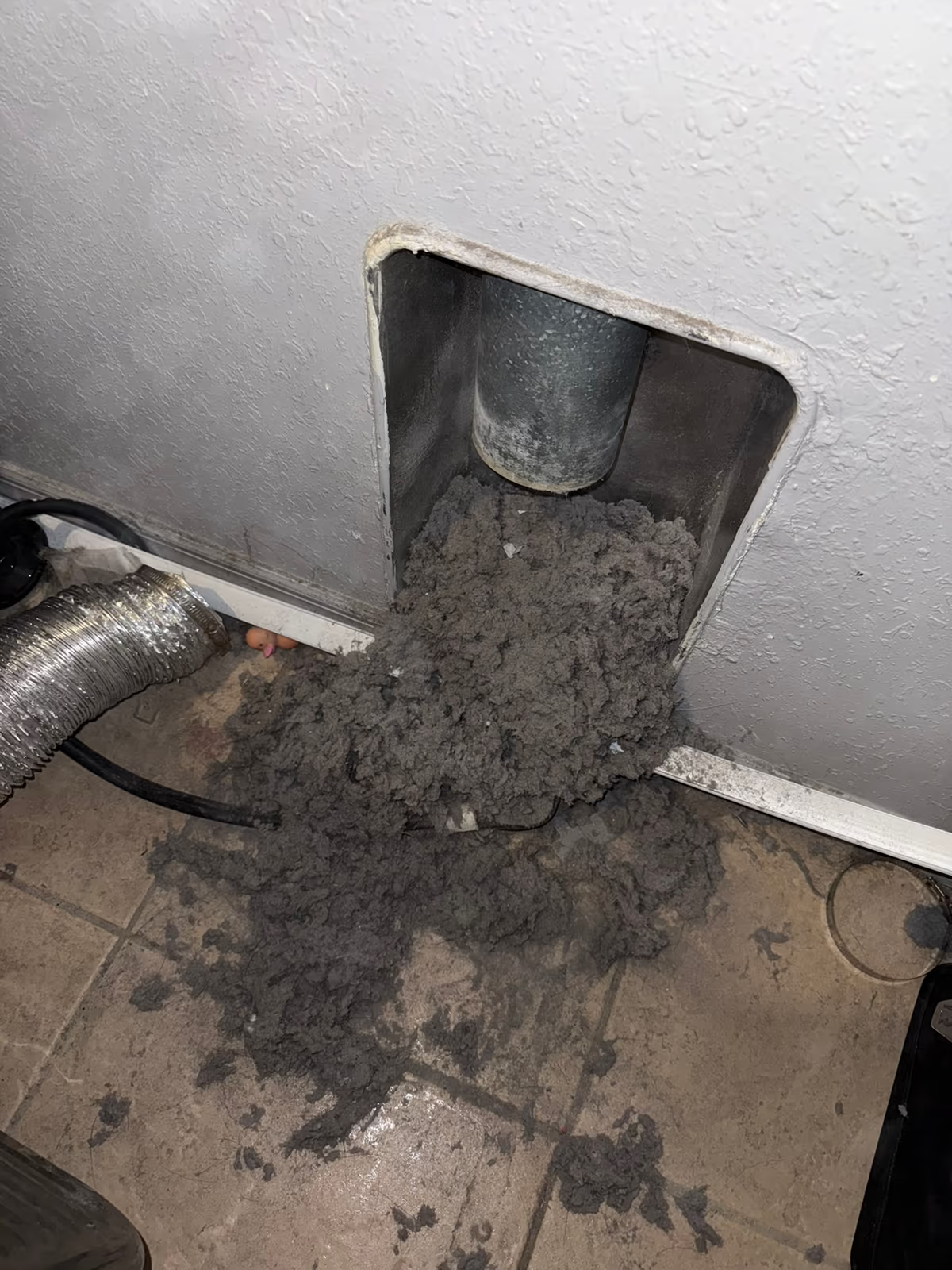
What we can say is what the job shows. A line left for years comes out packed — sometimes a solid plug the width of the duct. That is dry, flammable material sitting in the hottest part of a system that has stopped venting properly, and it is why a burning smell is worth stopping a load over and why an annual cleaning is cheap by comparison.
If the smell was cloth and your dryer has been slowing down, get the line cleared before running it again. We clean and repair dryer vents across Miami-Dade, Broward and Palm Beach, and what the work involves is on our dryer vent cleaning page. The inspection is free, and you will see what came out.