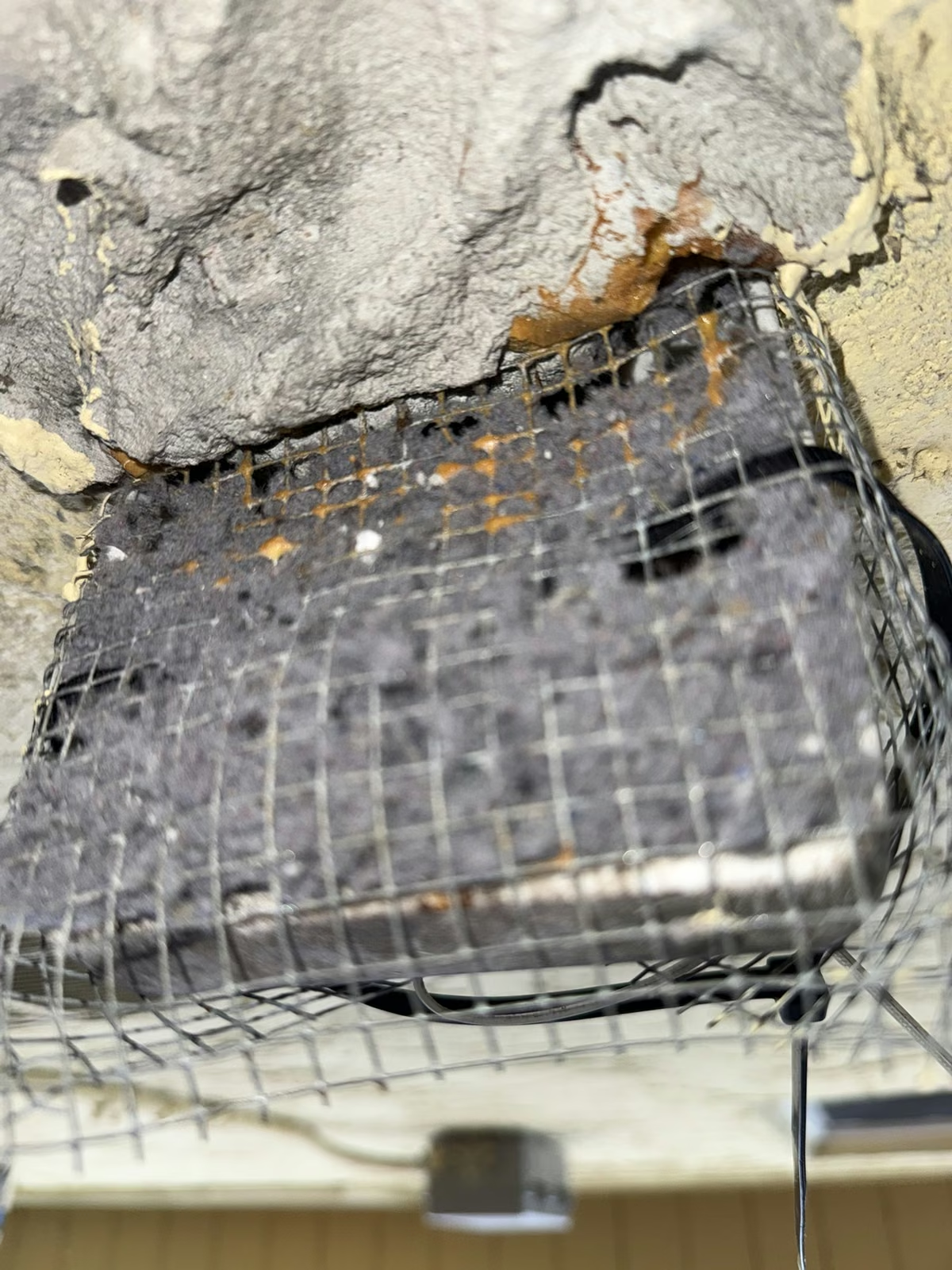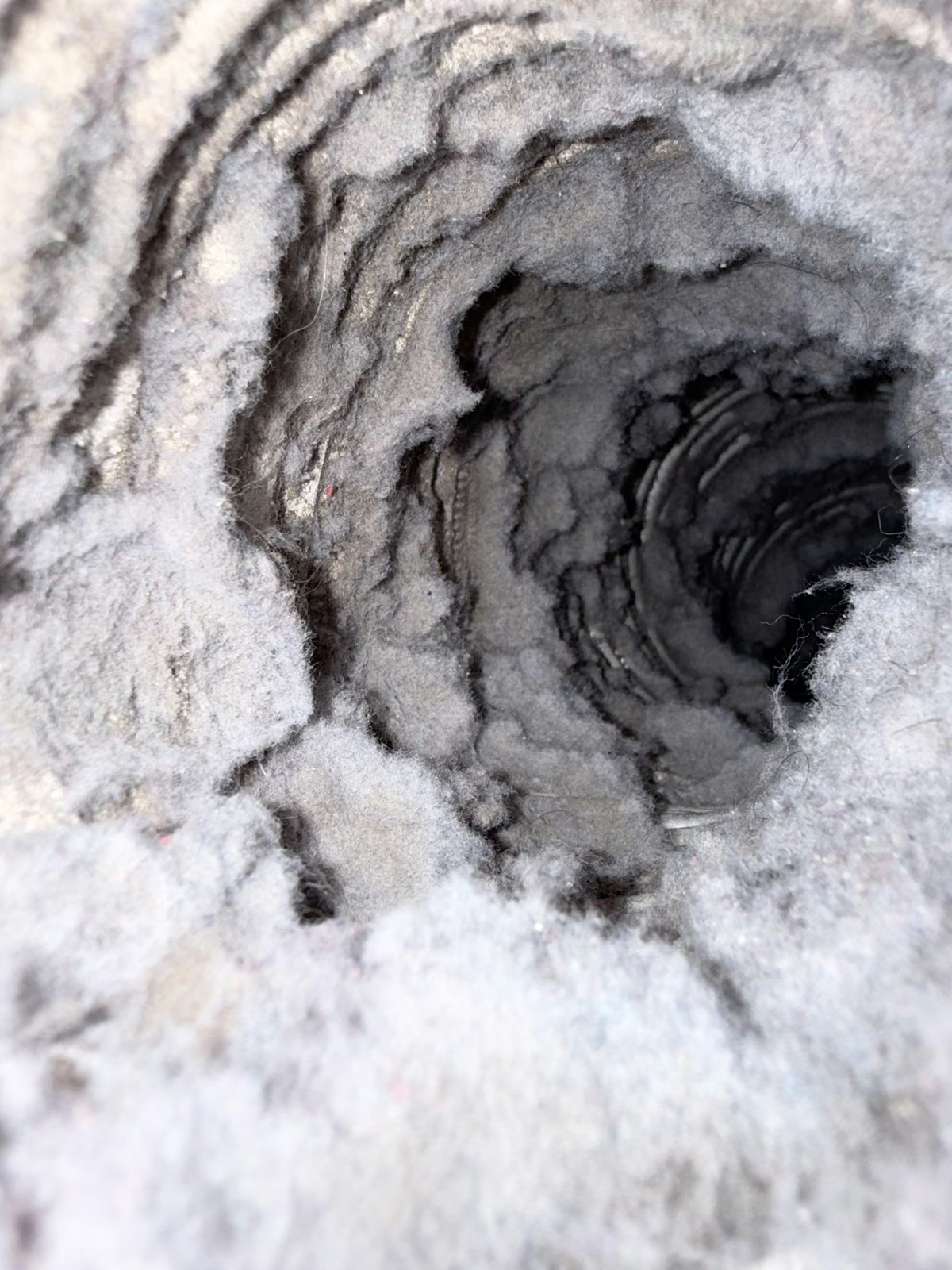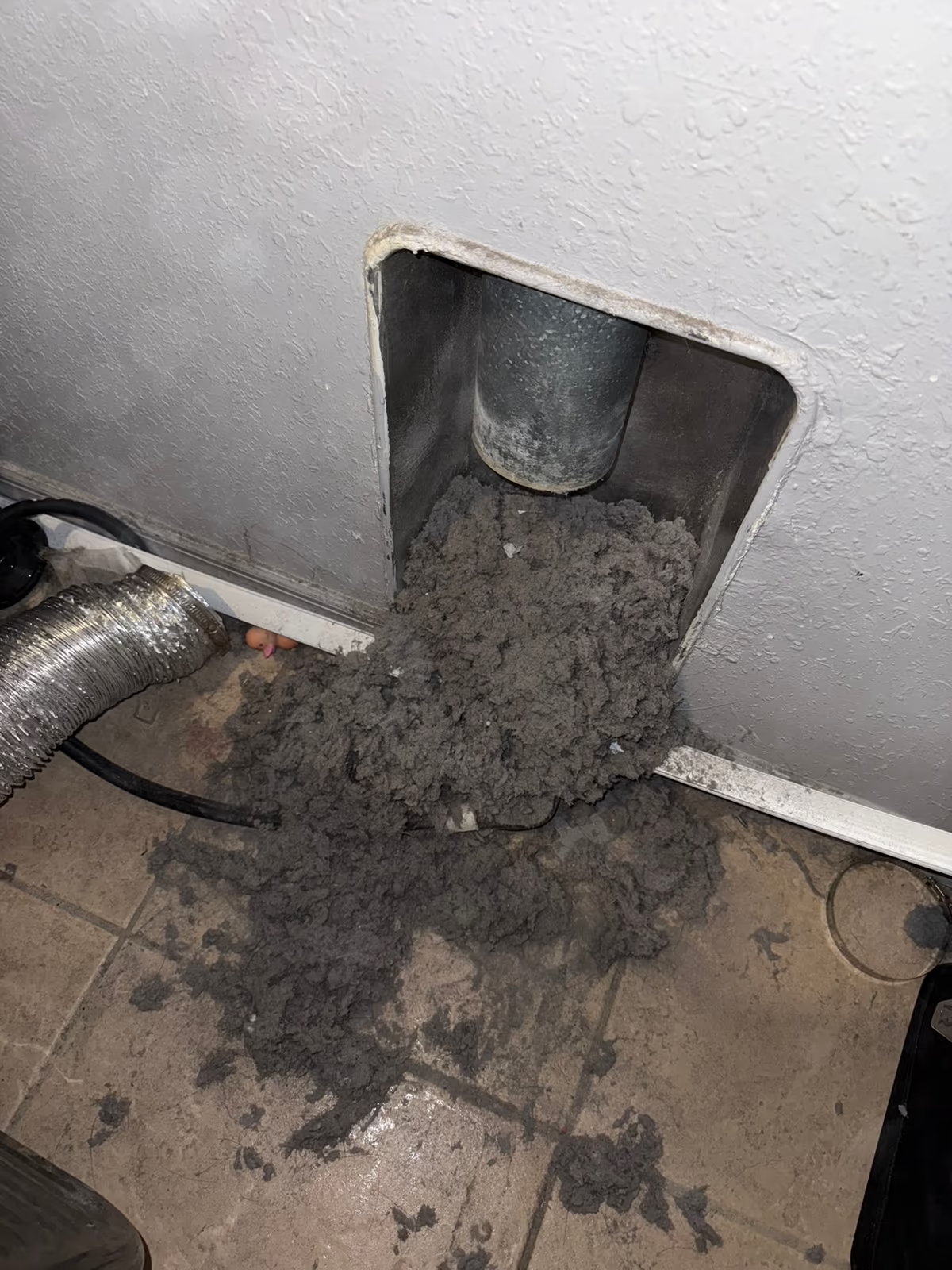
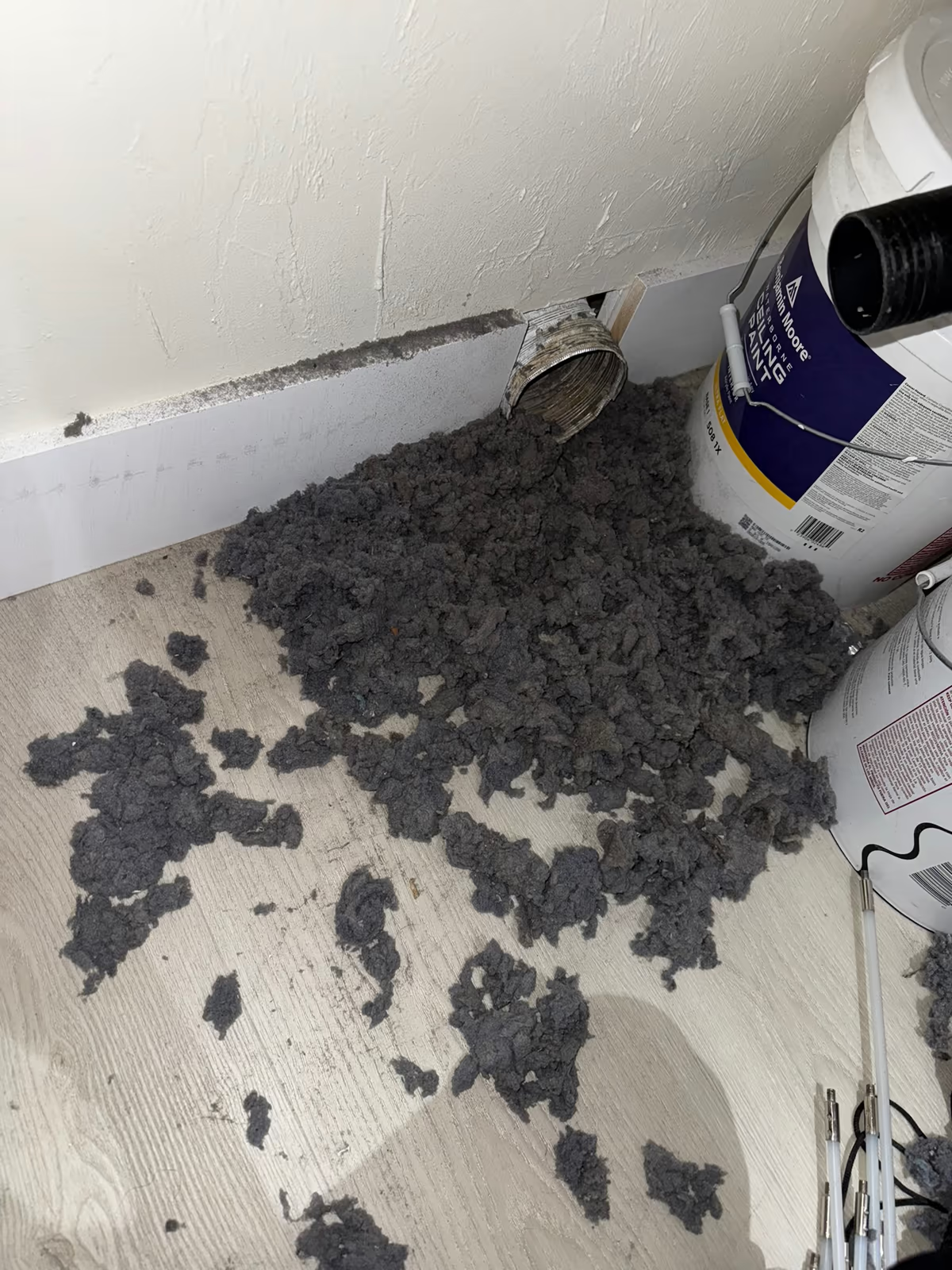
A dryer vent clogs slowly, so the warning signs arrive gradually enough to feel normal. Most people adjust to the longer dry times before they realize anything is wrong. Here is what the dryer is actually telling you.
Why do clothes take two cycles to dry?
Because the moisture has nowhere to go. A dryer works by heating air, passing it through the drum, and pushing that now-humid air out of the house through the vent line. When lint restricts that line, the humid air backs up and lingers in the drum instead of leaving. The clothes tumble in damp air, and the cycle ends with them still wet.
This is the single most reliable sign, and it is worth taking seriously the first time you notice it. Everything else on the list follows from the same restriction.
What are the other warning signs?
- The laundry room gets hot and humid while the dryer runs. Air that cannot exit the vent line ends up in the room instead.
- The dryer cabinet is hot to the touch at the end of a cycle. Trapped heat is heat that never left through the vent.
- Little or no air comes out of the vent hood outside while the dryer runs. Go outside mid-cycle and hold your hand near it — you should feel a steady push of warm air.
- Lint is collecting around the outside vent hood, or the hood flap does not open fully.
- Clothes come out unusually hot or smell scorched.
- A burning smell during a cycle. This one is different from the others: stop using the dryer and have the line cleared before running it again. A burning smell has four common causes and only one of them is the vent, so it is worth knowing which you are dealing with.
Is a clogged dryer vent really a fire hazard?
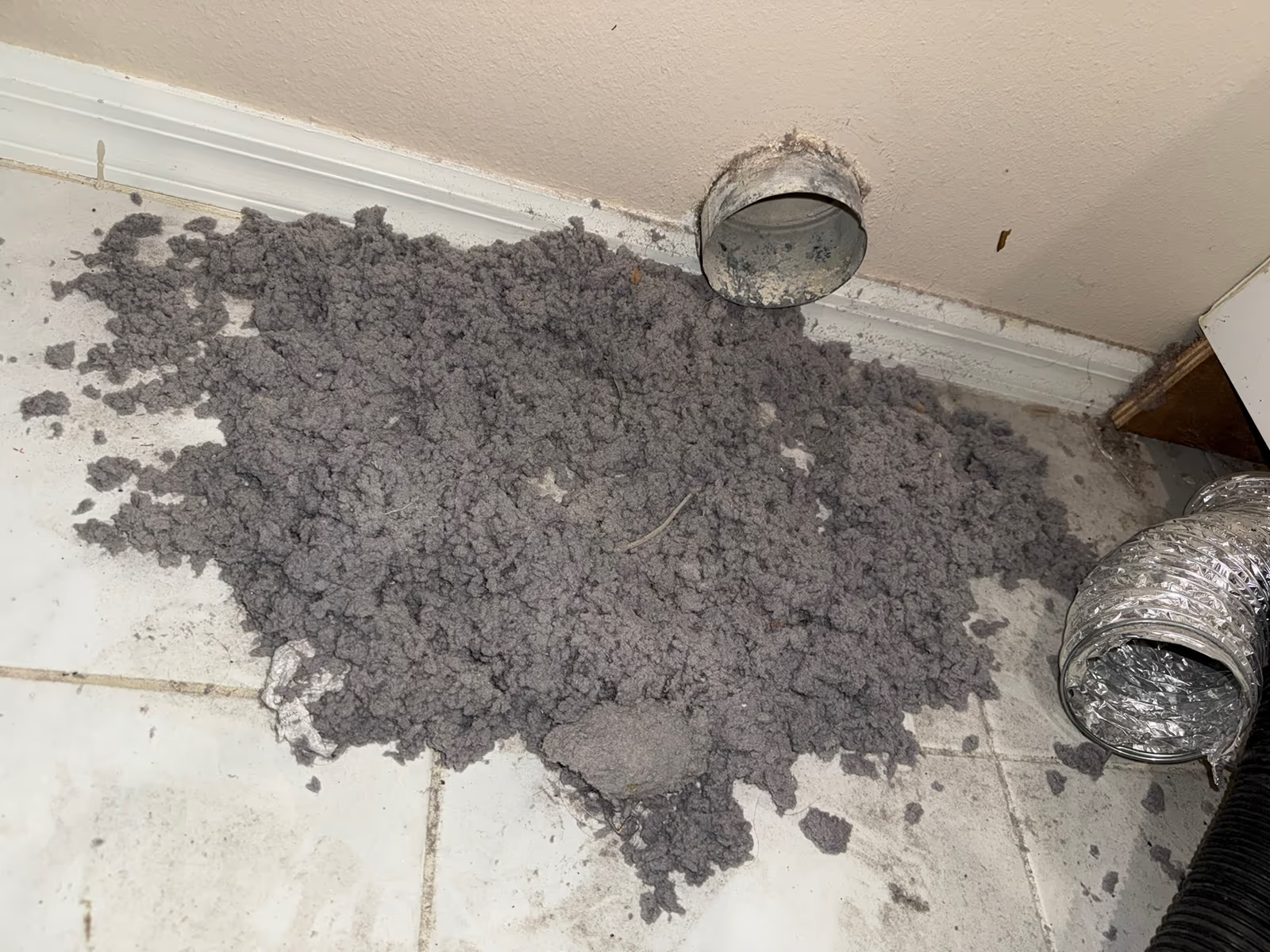
Yes, and the reason is simple physics rather than a scare statistic. Lint is dry, loose, and highly flammable — it is the same material people pack into homemade fire starters. A dryer produces heat. When a restricted vent traps that heat in a line packed with lint, you have a concentration of fuel sitting in the hottest part of the system, and no airflow carrying that heat away.
That is why a burning smell is the one sign that should stop the load immediately, and why an annual cleaning is the cheapest form of prevention there is. We are not going to quote you a number on the odds — we clear these lines for a living, and what comes out of a neglected run speaks for itself.
In a condo or townhome the same physics carries an extra consequence, because the structure is shared. That is its own question, and worth reading if you live in a building.
Why do South Florida dryer vents clog faster?
Three reasons stack up here.
Condo and townhome vent runs are long. In a single-family house the dryer often vents through a nearby exterior wall in a few feet. In a condo, the line can travel through interior walls, turn several corners, and terminate on the roof. Every elbow and every extra foot is another place for lint to catch and accumulate. If your line goes straight up, there is a reason for that and it changes how the vent gets cleaned.
Our humidity makes lint stickier. Dry lint moves through a line more freely. Humid lint clumps and adheres to duct walls, especially in a line that already has a rough interior or a crushed section.
Dryers run year-round with heavier loads. Beach towels, pool towels, and sweat-soaked clothes are constant here. Heavier, wetter loads mean longer cycles, more lint shed per load, and more moisture pushed through the line.
What if you live in a building?
Two things change, and both are worth settling before you pay anyone.
The first is whose job it is. In a condo the answer comes from Florida law and your declaration of condominium rather than from a rule of thumb — who cleans the dryer vents in a condo walks through where to look.
The second is whether your line is even yours alone. Some buildings give every unit its own run; others send the whole stack up one shared shaft, and then a restriction is everybody's problem rather than yours.
What does professional dryer vent cleaning include?
The whole line, end to end — not just the reachable part behind the dryer. That means pulling the dryer out, clearing the transition duct, running rotating brushes and airflow through the full run from the appliance to the exterior termination, clearing the hood itself, and verifying you have real airflow at the exit before we call it done.
If we find a crushed section, a disconnected joint, or a bird nest at the hood, you will hear about it with a photo, not a sales pitch. Damage is a separate question from dirt, and most of it can be repaired rather than replaced.
You can see what the work involves on our dryer vent cleaning page, along with real photos from recent jobs.
When should you call?
Call now if you have noticed a burning smell — do not run another load first. Otherwise, call when clothes have started needing a second cycle, when the laundry room has gotten noticeably hotter, or when it has simply been more than a year. We serve Miami-Dade, Broward, and Palm Beach, and the inspection is free.