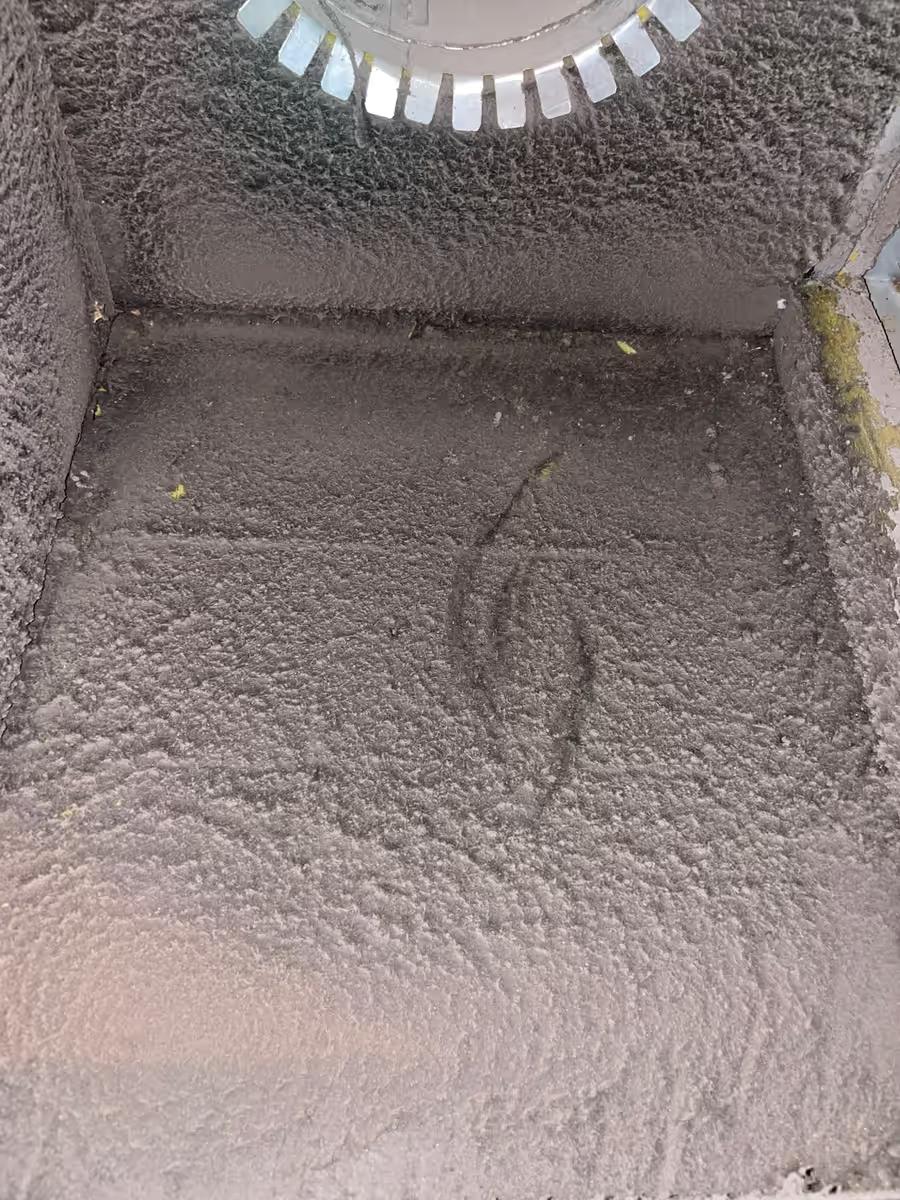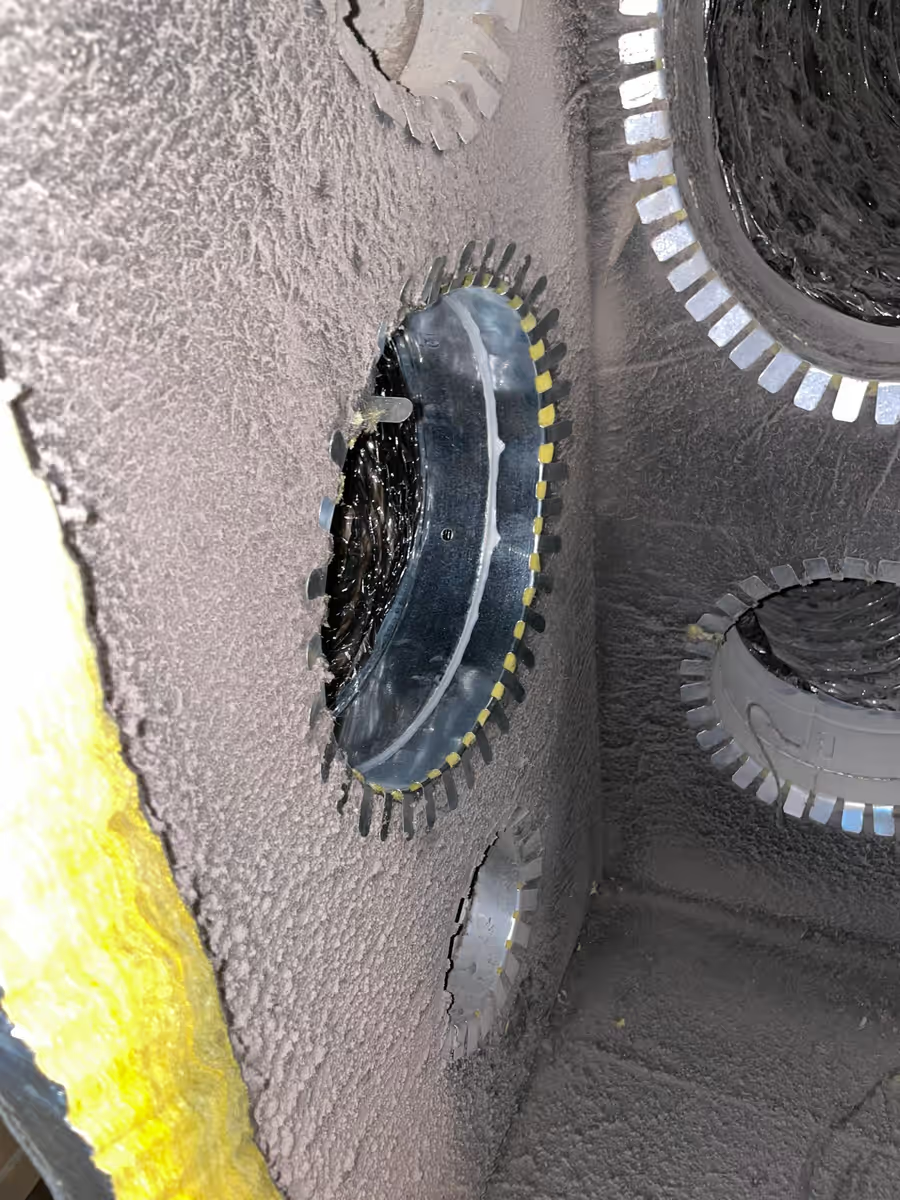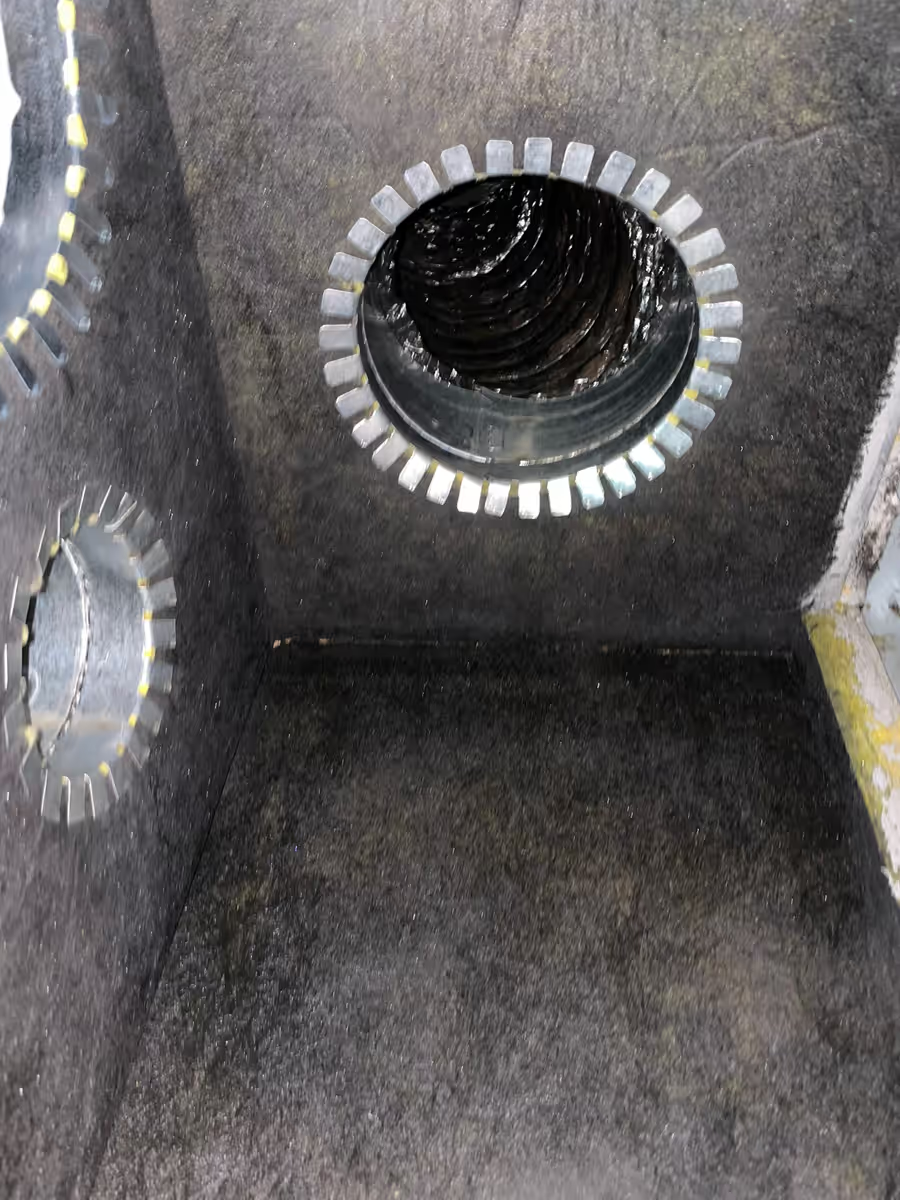
When a cleaning turns up damage, the question that follows is always the same: can this be fixed, or does the whole thing have to come out?
Usually it can be fixed. Here is how the two cases actually divide.
The accessible ends, where most problems are
A dryer vent has two ends you can get to and a middle you generally cannot. The good news is that most faults are at the ends.
The transition duct — the short flexible piece from the dryer to the wall — is a routine replacement, not a repair. The code is specific about it: transition ducts are limited to single lengths not exceeding 8 feet, must be listed and labelled for the application, and "shall not be concealed within construction."
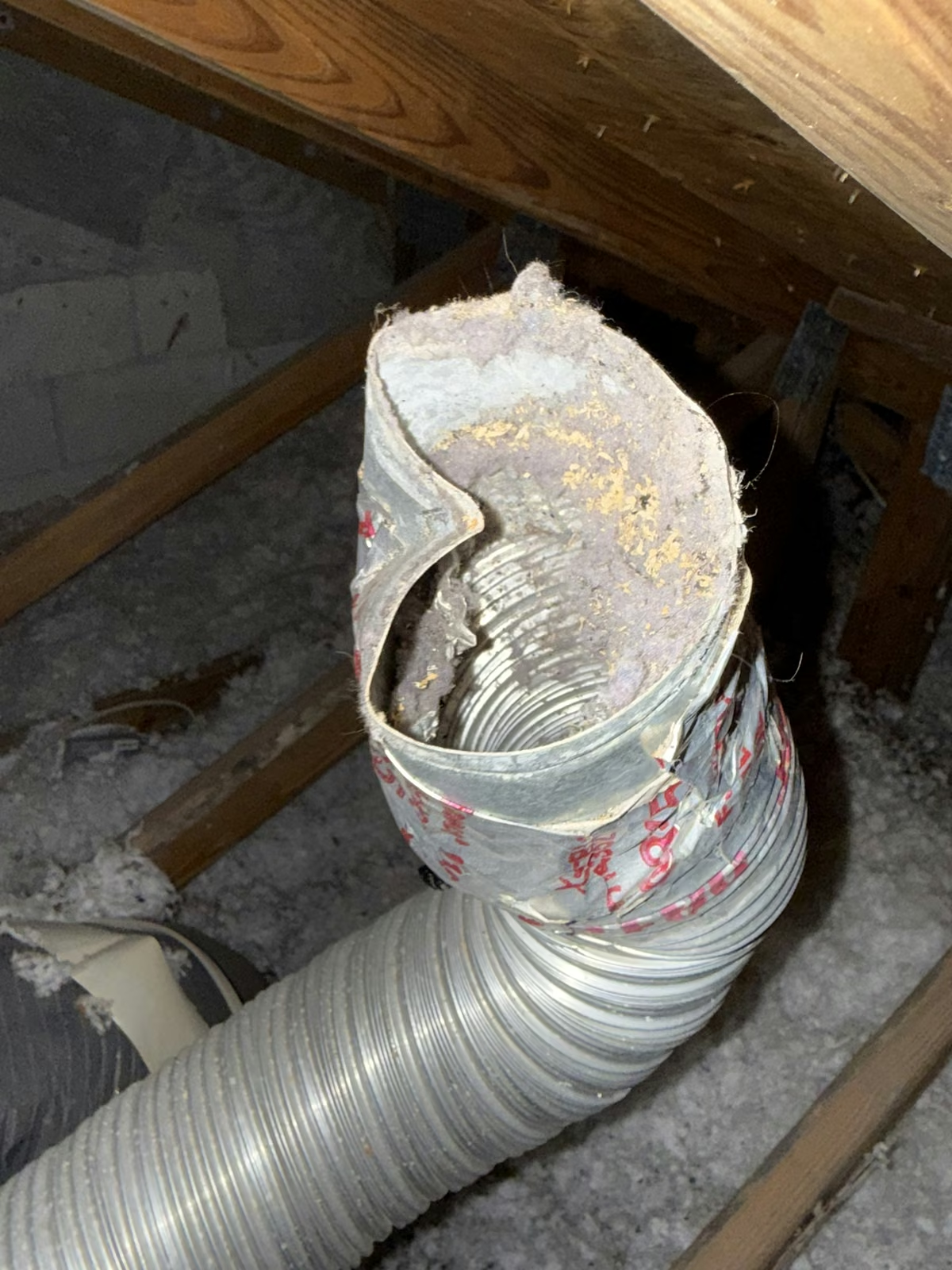
What we find instead is a long coil of foil crushed into the gap behind the appliance, kinked into an S-shape, or run inside a wall cavity. Swapping that piece is the single cheapest meaningful improvement available on most dryer vents, and it fixes a surprising number of "my dryer is dying" calls.
The termination — the hood outside — is the other end. A flap that no longer opens, a hood packed with lint, or a screen matted shut are all normal repairs. On a screen in particular: the code prohibits screens at the termination of a shared multistory system, and the reason is visible in any matted one. Screen mesh is the easiest place in the whole system for lint to bridge across and close.
What genuinely has to be replaced
Three things, in our experience.
Torn flexible duct. Foil and thin vinyl split along a seam or a kink, and once torn there is no material strength left to hold a patch under heat and moving air. Taping it adds adhesive and texture inside a duct that already catches lint. Replace the section — and where the run allows, replace it with rigid or semi-rigid metal, which will not kink or tear and gives lint a smoother interior to pass through.
Crushed sections that have creased through. A duct pinched behind an appliance can often be re-formed if the metal is intact. Once flexible material has creased hard enough to fold on itself, it has a permanent restriction in it and re-forming does not hold.
Runs that were wrong from the start. Some lines are simply too long or have too many elbows for the appliance to push air through. No amount of cleaning fixes geometry. That is a rerouting job, and it is the one case where "replace" is the honest answer rather than the expensive one.
The test that tells you which you have
Airflow after cleaning.
A dirty line improves the moment the lint is out. Clothes dry in one cycle again, and standing outside mid-cycle you feel a steady push of warm air at the hood. Those are the signs of a clogged dryer vent reversing, and if they reverse, the line was sound.
A damaged line does not improve, or improves and slides back quickly. And watch where the heat and moisture end up: if the laundry room stays hot and humid with a clear line, air is leaving the duct before it reaches outside. That is a separated joint or a tear, not buildup.
This is worth establishing before anyone quotes work, because cleaning and repair are different jobs and conflating them is how people end up paying for the wrong one. In a condo it matters twice over, because who is responsible for which section can turn on whether the fault sits in your own run or in a common element.
Why flexible duct causes most of this
Almost everything above traces back to the same material. Flexible foil is cheap, easy to install badly, and fails in predictable ways: it kinks behind the appliance, it tears when a brush is pushed through it, and its ribbed interior holds lint that a smooth wall would pass along.
South Florida adds to it. Humid air means damp lint, and damp lint clings to duct walls far more readily than dry lint does — so a ribbed flexible interior in a humid climate accumulates faster than the same duct would elsewhere.
If your run is short and straight, flexible duct at the transition is fine and normal. If it goes up through the roof or bends more than once, metal is the better answer for the concealed portion.
What we do
We clean, repair and install dryer vents — accessible duct, transition duct, terminations, and rerouting where a run needs it — across Miami-Dade, Broward and Palm Beach, including roof-terminated and long condo runs. What the repair and installation work involves is on our dryer vent repair and installation page; if the line turns out to be sound and simply dirty, that is dryer vent cleaning instead.
The inspection is free, and if what we find is damage rather than lint you will hear it with a photo before any work is discussed. If the honest answer is that your line needs nothing beyond a cleaning, that is what you will get told.