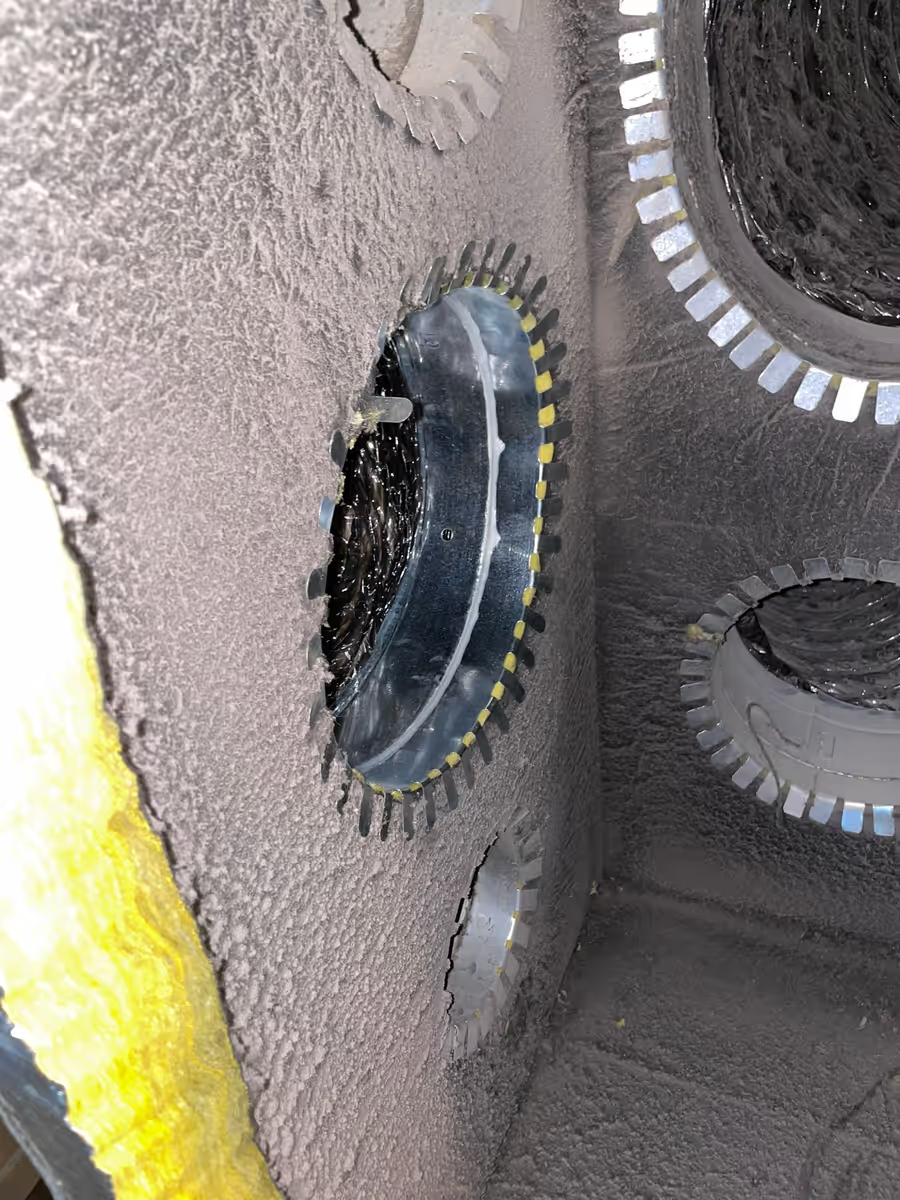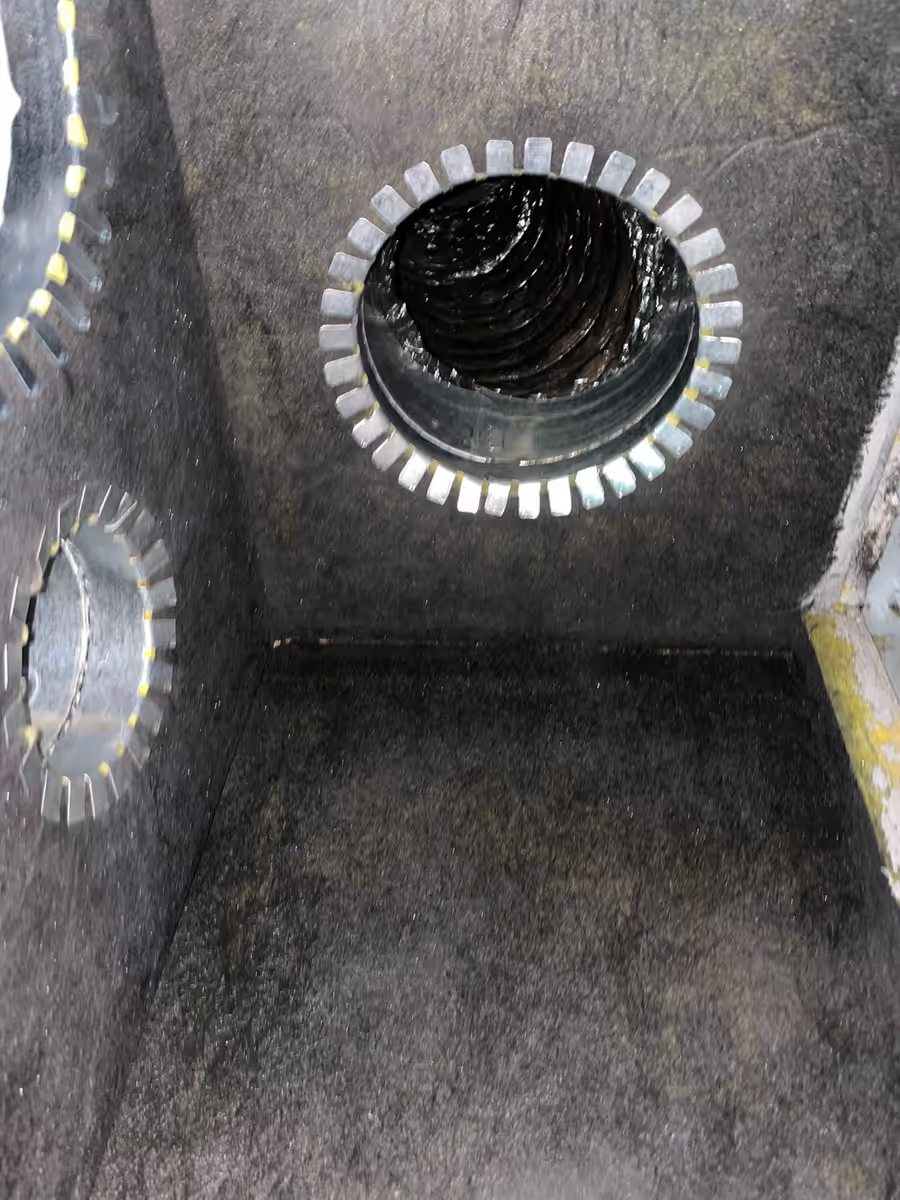
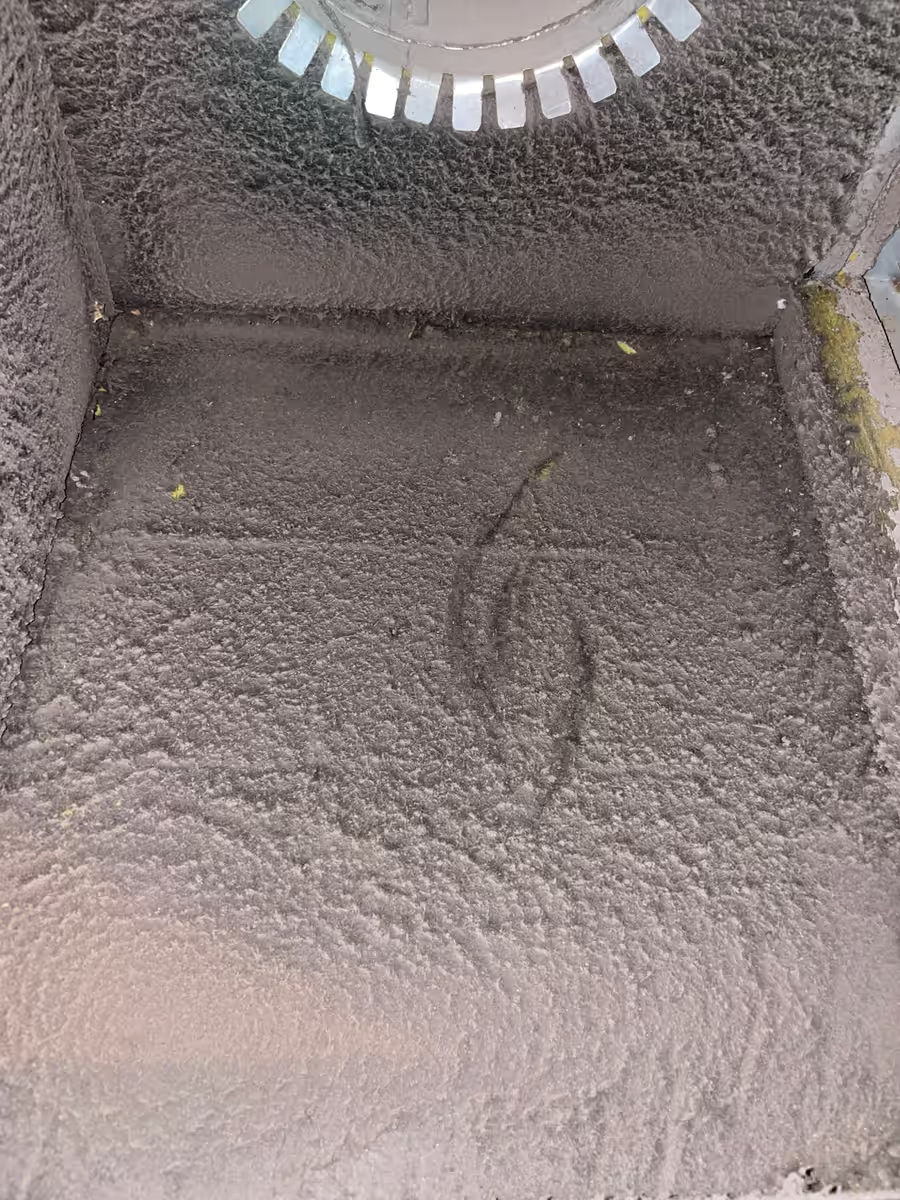
If floodwater, wind-driven rain, or storm debris reached any part of your HVAC system, yes — the ducts need cleaning before you use the system again, and it should stay off until someone has looked at it. The EPA is blunt about the part most South Florida homeowners miss: duct insulation that got wet or moldy can't be cleaned. It gets replaced.
That distinction matters here more than almost anywhere. A house in Miami-Dade, Broward, or Palm Beach that loses power in August sits in the high 80s with no dehumidification, and the ductwork is the coolest, dampest, dustiest surface in it.
How do you know if water reached the ducts?
You usually can't tell from the thermostat. Look for the quiet signs instead: a tide line on the wall below a supply register, damp or sagging insulation around a run in the attic, water sitting in a return boot, grit or leaf litter on the register grilles, or a musty smell that turns up a week later rather than the day after the storm.
Two situations are automatic yeses. If the air handler or any duct sat in standing water, treat the system as contaminated until someone proves otherwise. And if wind drove rain in through a vent, a soffit, or a torn section of roof, assume the run underneath it took water.
Why wet duct insulation gets replaced instead of cleaned
This is the single most useful thing to know before anyone quotes you on post-storm work. EPA guidance on residential duct cleaning states that if insulated air ducts get wet or moldy, the insulation can't be effectively cleaned and should be removed and replaced — and that there are no EPA-registered biocides for treating porous duct materials (EPA, Should You Have the Air Ducts in Your Home Cleaned?).
So a contractor offering to fog or spray a soaked fiberglass duct liner and call it finished is selling you something the EPA specifically says doesn't work. Sheet metal and hard duct can be cleaned. Wet porous lining is a replacement.
The same logic runs through the rest of the house. EPA flood guidance treats porous material that has been wet for more than 48 hours as better replaced than cleaned, because the water and the mold get inside it where scrubbing can't reach.
Should you run the AC to dry the house out?
No — not if the storm touched the system. EPA flood-cleanup guidance is explicit: if the flood affected any part of your air ducts or HVAC system, don't use it to dry the house until a professional tells you it's safe, and don't turn it back on until the cleanup and the repairs are done (EPA, Flood Cleanup to Protect Indoor Air and Your Health).
It's an understandable instinct. The house is wet, the AC is the dehumidifier, so you flip the breaker. What actually happens is that the blower takes whatever is growing in a damp return and distributes it evenly through every room you own. Getting the outdoor equipment through the storm is a separate job with its own checklist — preparing your AC for hurricane season covers that side of it.
The 24-to-48-hour window is most of the outcome
EPA guidance for flooded homes is to dry everything out within 24 to 48 hours where you can, because that is roughly when mold starts growing on wet materials (EPA, Emergencies and Indoor Air Quality). In practice, that window is the difference between a duct cleaning and a duct replacement.
If the power is still out, that clock is running with nothing working against it. Open what you can, get air moving safely, pull soaked insulation out of the attic runs rather than leaving it to sit, and book the inspection early instead of waiting for the smell to tell you.
What actually gets checked after a storm
A post-storm duct visit isn't the same thing as a routine cleaning. The first question is whether the system is salvageable as it stands:
- The air handler and the return. Standing water in the closet or the return boot, silt on the blower wheel, a condensate pan that backed up while the power was out.
- The duct insulation. Wet, compressed, or stained lining anywhere in the run — the part that decides between cleaning and replacing.
- The coil. Debris and moisture on the evaporator coil, which the EPA flags as a major moisture source even in a normal year.
- The runs themselves. Torn flex, disconnected boots, and crushed sections in an attic that took roof damage.
If there's active mold growth beyond the ductwork itself, that's a remediation contractor's job rather than ours, and we'll tell you so instead of cleaning around it.
Cleaning ducts without fixing what let the water in is the mistake the EPA names directly: if the conditions that caused the growth aren't corrected, the growth comes back.
Before you flip the breaker
If your home took water this season, get the system looked at before you run it. Air duct cleaning across Miami-Dade, Broward, and Palm Beach starts with an inspection, and after a storm that inspection is the part that matters — it's what tells you whether you're cleaning ducts or replacing lining. Call (954) 519-7860 and we'll come take a look.