Prepare your AC for a South Florida hurricane by securing the outdoor condenser to its pad with code-rated straps, clearing loose debris from around it, and switching the whole system off at the breaker before the storm arrives so a power surge can't reach it. After the storm, never restart a unit that sat in floodwater — have it inspected first.
In Miami-Dade, Broward, and Palm Beach, that outdoor unit spends every summer in the path of wind-borne debris, flooding, salt spray, and the grid surges that follow a storm. A little preparation before the season peaks keeps a repair from turning into a replacement.
What "hurricane-ready" means for a South Florida AC
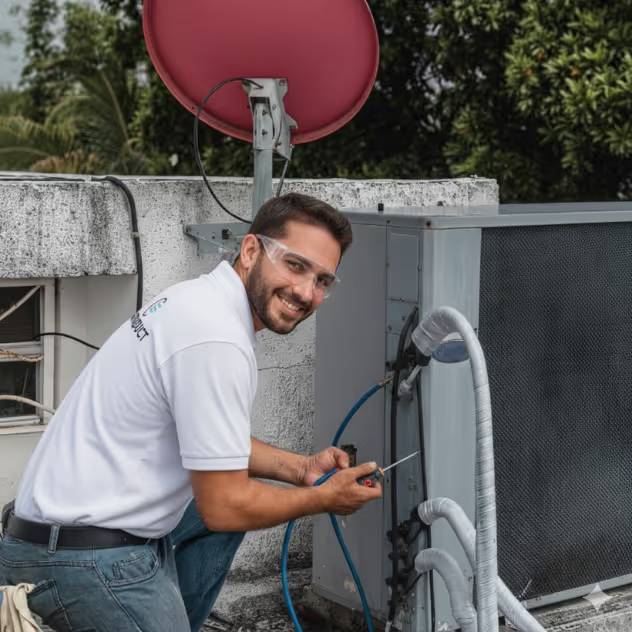
The vulnerable part of a split system is the condenser sitting outside your home. Wind can drive debris into its fins, storm surge and street flooding can submerge its electrical components, and when the power comes back the spike can take out the compressor. Because Miami-Dade and Broward sit inside the High-Velocity Hurricane Zone, the building code already sets a high bar for how that unit is anchored — the goal of storm prep is to make sure the equipment still meets it, then to power it down safely.
Before the storm: secure the outdoor unit
- Check the anchoring. Florida's building code requires outdoor condensers to be strapped or bolted to their slab or stand with hurricane-rated hardware. Look for straps that have rusted or worked loose — coastal salt air corrodes them faster than most homeowners expect — and have them replaced before a named storm is on the map.
- Clear the area. Move patio furniture, potted plants, grill covers, and anything loose away from the unit. In a strong wind those become projectiles that dent the coil or crack the cabinet.
- Add surge protection. A whole-home or dedicated HVAC surge protector is one of the cheapest ways to survive the moment the grid comes back online, which is when many post-storm compressor failures actually happen.
- Know your flood risk. If your unit sits low and your street floods, talk to an installer about raising it onto a taller stand. That is planning work for the off-season, not something to attempt the day a storm arrives.
Should you turn your AC off during a hurricane?
Yes. Shut the system off at the breaker before the storm reaches you, not just at the thermostat. Running the compressor through the brownouts and surges of a storm is what damages it, and if water starts to rise, an energized unit sitting in floodwater is a genuine safety hazard. Pre-cool the house a few degrees beforehand so you stay comfortable for a while after you kill the power.
Should you cover your AC unit before a hurricane?
Generally, no — don't wrap a running condenser. It needs airflow to work, and a cover traps the humidity that South Florida has in abundance, which invites corrosion and mold. A manufacturer-approved hail or debris cover used only while the unit is switched off can help against flying debris, but take it off before you restart. Never improvise with a tarp or plastic wrap left on a running system.
After the storm: inspect before you restart
The most expensive mistake homeowners make is flipping the breaker back on too soon.
- Never run a flooded unit. Floodwater in coastal South Florida is often brackish; it corrodes electrical contacts and contaminates the coil. Powering up a unit that sat in water can burn out the compressor and blow moisture and mold spores straight into your ductwork.
- Rinse away salt and debris. With the power safely off, a gentle rinse of the coil fins clears salt spray and yard debris. Straightening bent fins or opening the cabinet is a job for a technician, not a garden hose.
- Look and listen on restart. Check that the outdoor disconnect and breaker are intact, then watch for tripped breakers, burning smells, or grinding sounds when the system first kicks on.
- When in doubt, book an inspection. A short repair and new installation visit is far cheaper than a compressor, and it tells you whether the system is safe to run.
If your home took any water intrusion during the storm, your ducts may have taken it too — see should you get your air ducts cleaned after a hurricane or flooding for what to check next.
Get a storm-season check before you need it
Floriduct handles AC repair and new installation across Miami-Dade, Broward, and Palm Beach. If your system took a hit this season — or you just want it checked before the next storm lines up — call (954) 519-7860 for an inspection before you flip it back on.