UV lights in air handlers get sold hard, and a lot of the marketing around them oversells what they do. The honest version is narrower than the pitch and more useful than the skeptics allow — and in our climate specifically, the case for one is stronger than it is almost anywhere else in the country.
How does a UV light in an air handler work?
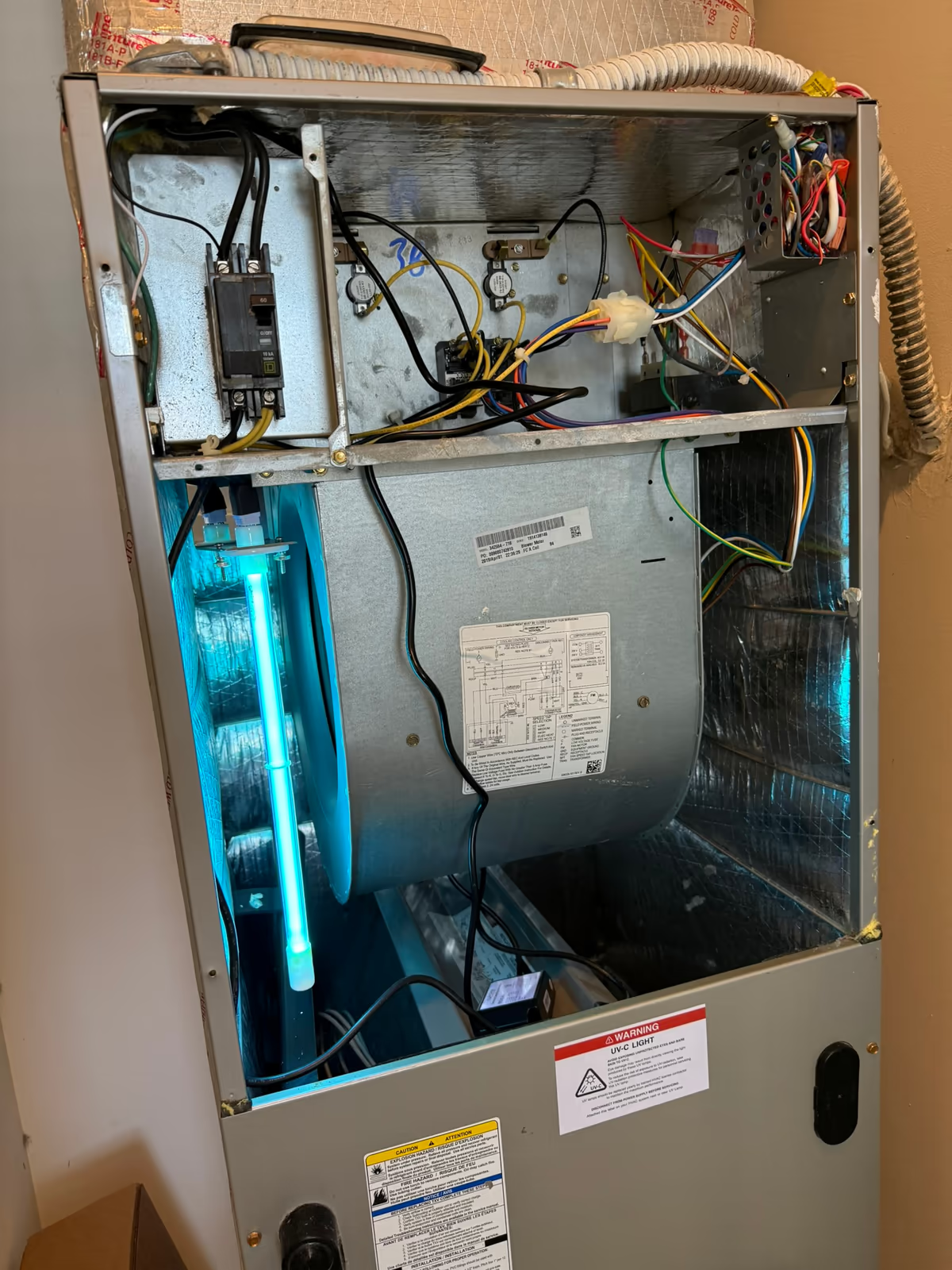
A UV-C lamp is mounted inside the air handler cabinet, positioned to shine directly on the evaporator coil. UV-C light disrupts the DNA of mold spores, bacteria, and other microorganisms on the surfaces it reaches, so they cannot reproduce. It runs continuously while the system has power, which means the coil surface is under constant treatment rather than being cleaned once and left alone.
The key word is surfaces it reaches. UV-C works by line of sight. It treats what the light lands on — the coil face, the drain pan area, the immediate cabinet interior. It does not treat air rushing past at speed, and it does not reach around corners into your duct runs.
That limitation is why placement matters more than wattage. A lamp aimed at the coil is doing real work. A lamp mounted somewhere convenient that does not illuminate the coil is decorative.
Why do South Florida coils grow mold so fast?
Because they never dry out.
Your evaporator coil is wet whenever the system runs — that is the point of it. It pulls heat and moisture out of your indoor air, and that moisture condenses on the coil and drips into a pan. In a climate with a real winter, the AC shuts down for months, the coil dries completely, and whatever was starting to grow dies off.
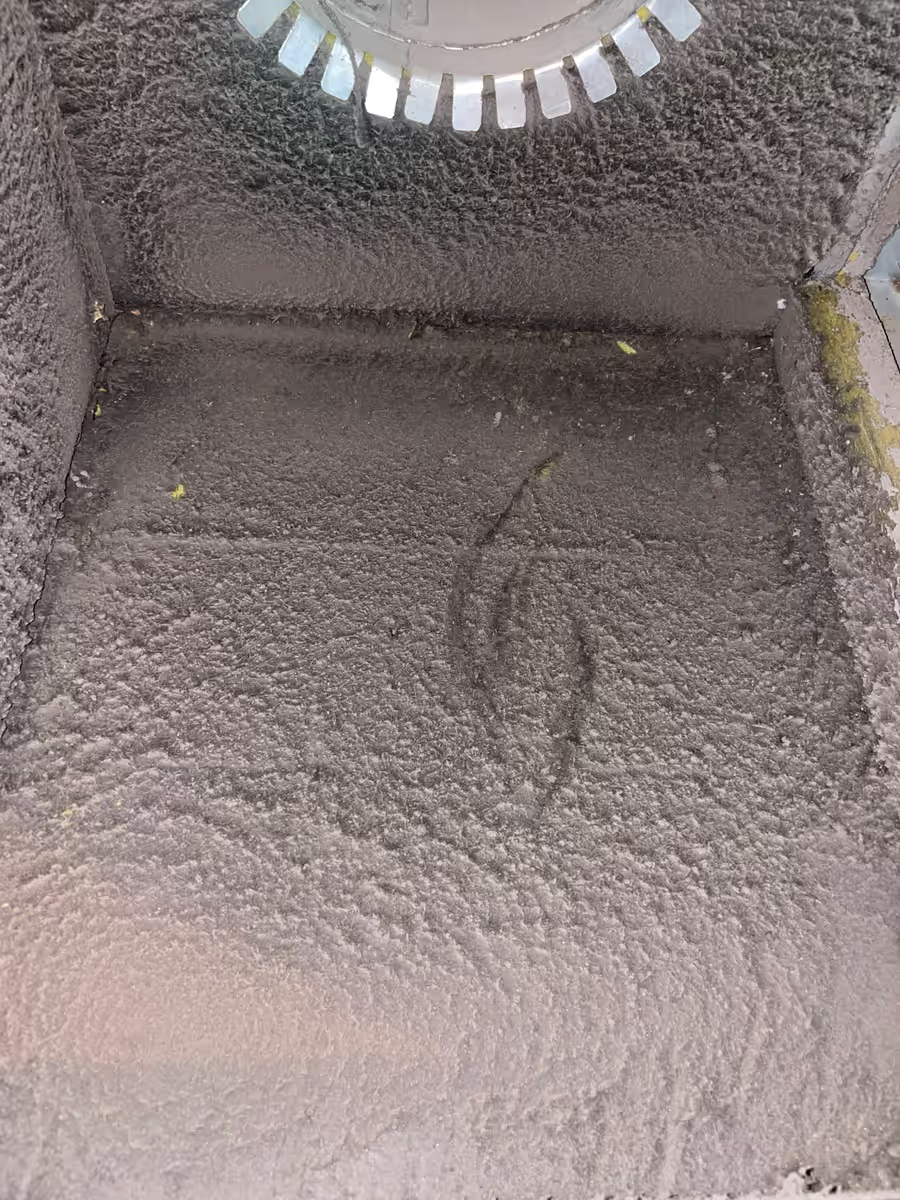
In Miami-Dade, Broward, and Palm Beach, that reset never happens. The system runs through January. The coil is wet in December the same way it is wet in July. Add the fine dust that slips past every filter, and you have a permanently damp surface with a food source on it, sitting in the dark.
This is why the same air handler that stays clean for a decade in Denver develops a musty smell here in a couple of years. It is also the specific condition UV-C is good at interrupting.
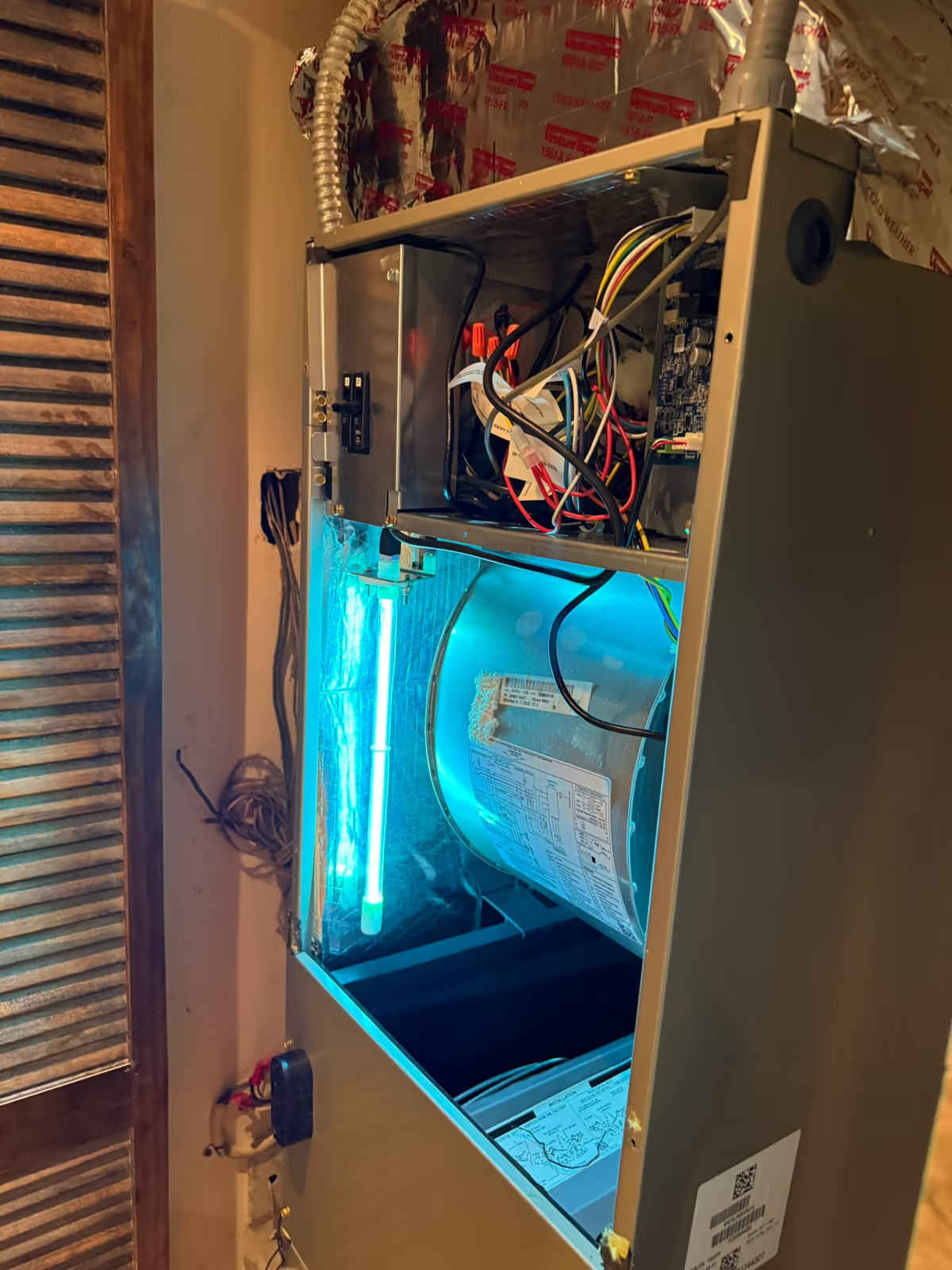
What UV lights do — and what they don't
What they do well:
- Suppress mold and bacterial growth on the coil surface the lamp illuminates
- Keep a coil that has just been cleaned from regrowing as quickly
- Help with the musty smell that comes specifically from coil growth
- Reduce the buildup that restricts airflow across the coil over time
What they don't do:
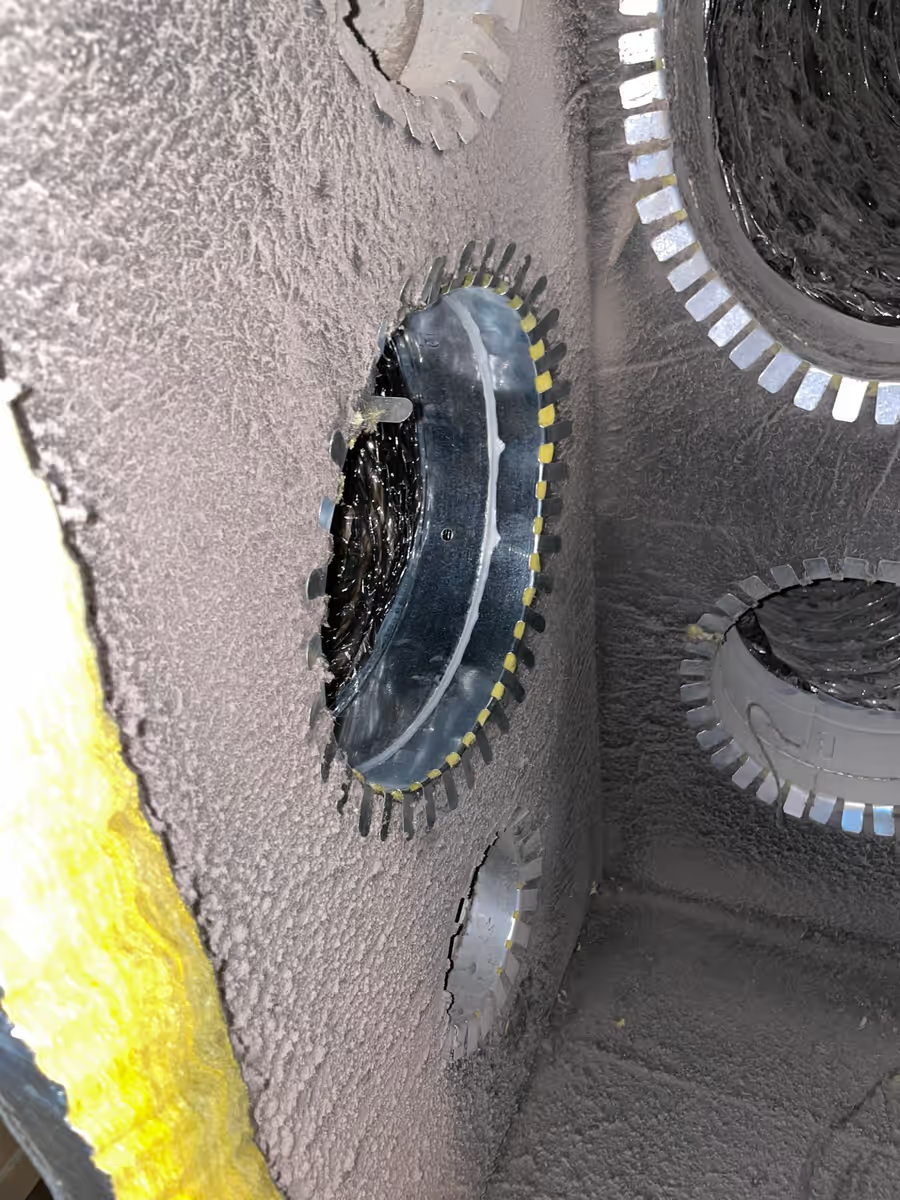
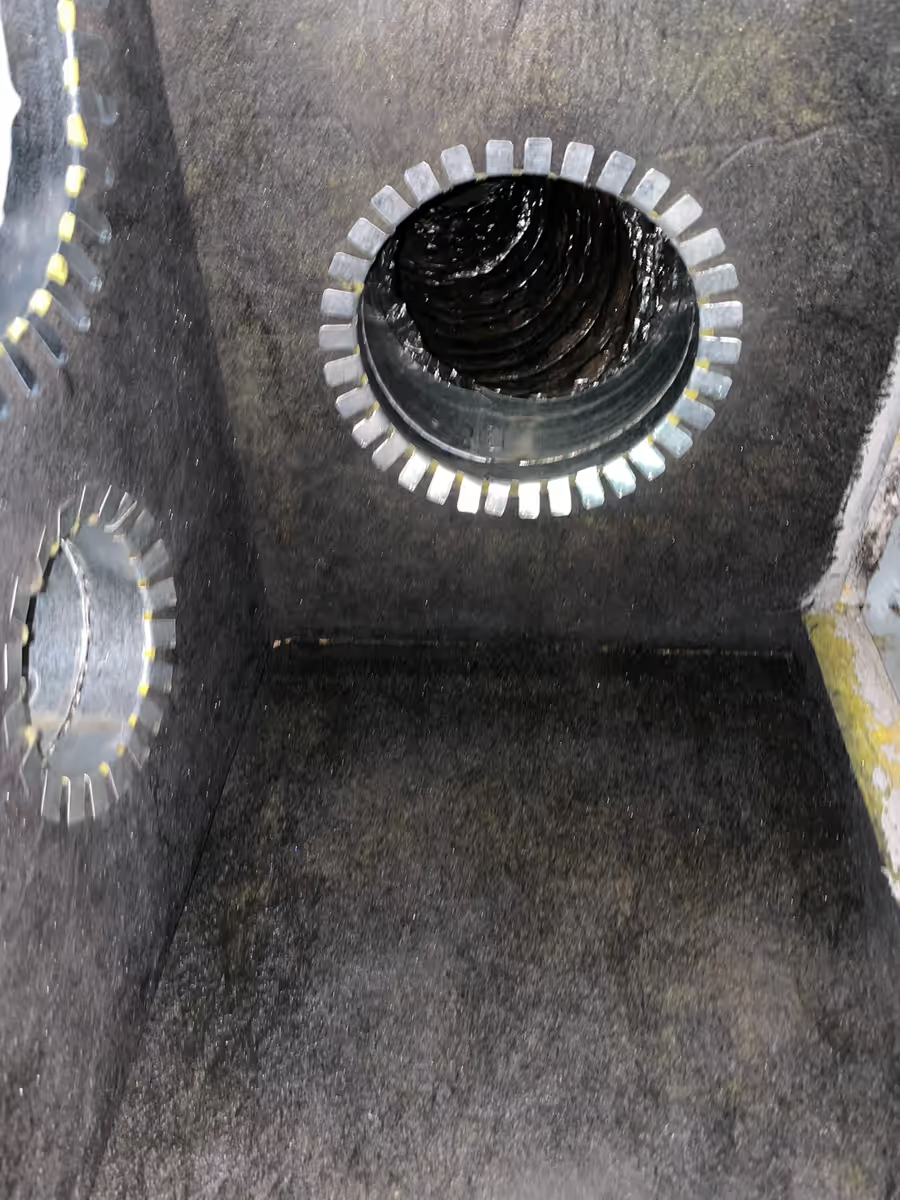
- Clean ducts that are already dirty. Light does not travel down your duct runs.
- Remove existing buildup. UV-C stops growth; it does not strip a coil that is already coated.
- Filter anything. It is not an air purifier and does not capture dust, dander, or particles.
- Fix a drainage problem. Standing water in a clogged drain pan will still smell.
- Replace maintenance. Filters still need changing and coils still need cleaning.
The honest framing is that a UV light is a prevention tool for one specific location. It is at its best installed on a coil that has just been cleaned, in a climate where that coil is going to stay wet — which describes essentially every home in our service area.
What's the right order of operations?
If your system already has a musty smell or visible buildup, do not start with the light. Start by removing what is there:
- Clean the coil first. AC coil cleaning strips the existing buildup so the light has a clean surface to protect.
- Clean the ducts if the growth has spread past the coil. UV-C will never reach those runs, so air duct cleaning is the only thing that addresses them.
- Then install the light, positioned on the coil, to hold that clean state against our humidity.
Installed in that order, a UV light is a genuinely good investment here. Installed on a dirty coil as a shortcut to avoid cleaning, it is a light bulb in a box.
What we install and service
Our UV light installation service covers putting a UV-C lamp into the air handler with correct placement on the coil, plus repairing or relocating a light that was installed poorly — a badly aimed lamp is one of the more common things we find in existing systems. We also handle UV work alongside a coil or duct cleaning so the sequence above happens in one visit.
If you are unsure whether your system would benefit, we will look at the coil during a free on-site inspection and tell you plainly. Sometimes the answer is that the coil is fine and you do not need one yet.